 |
RAYTRON Long Life Italy ~ 1960 |
 |
|
|
RAYTRON Long Life Italy ~ 1960 |
|
 English
 |
 |
Italiano
 |
|
 Click sulle immagini per ingrandire
 Click on images to enlarge
|
|||
 |
 |
 |
 |
 |
 |
 |
 |
|
Raytron Electronics - Long Life - Milan,
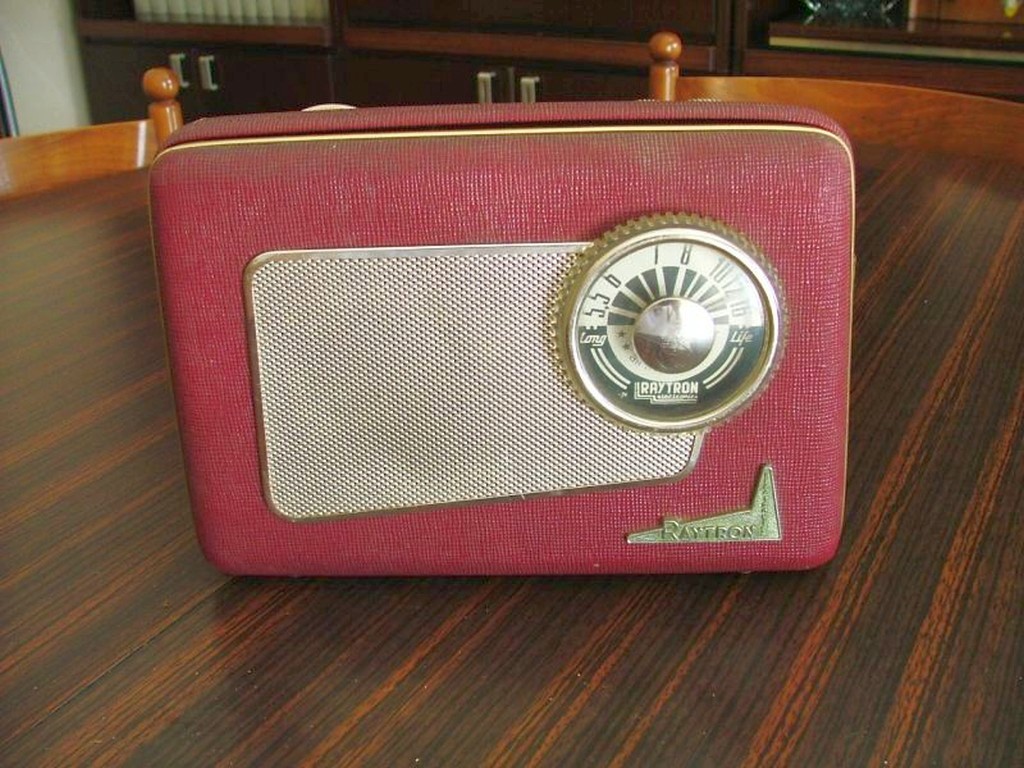
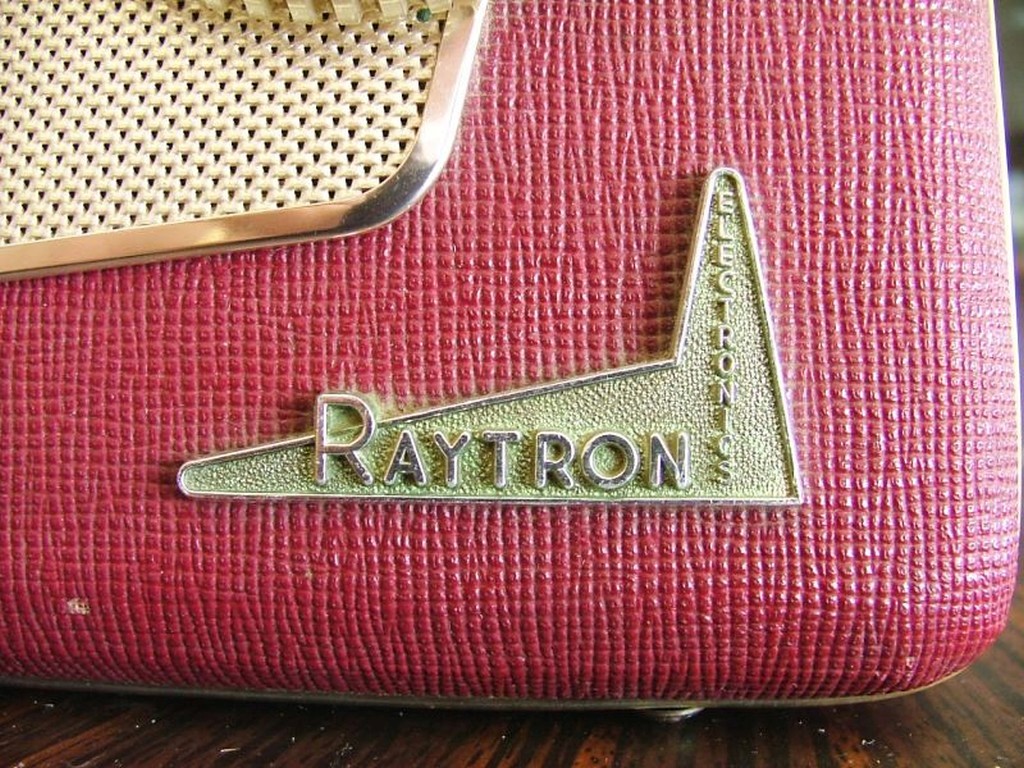
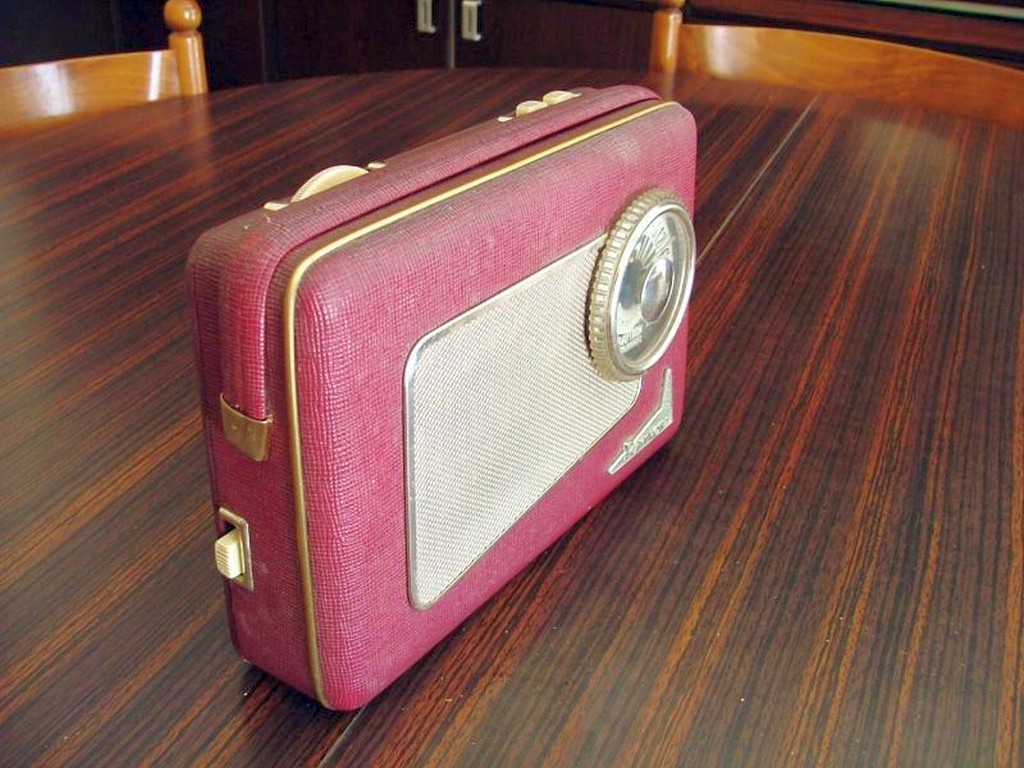
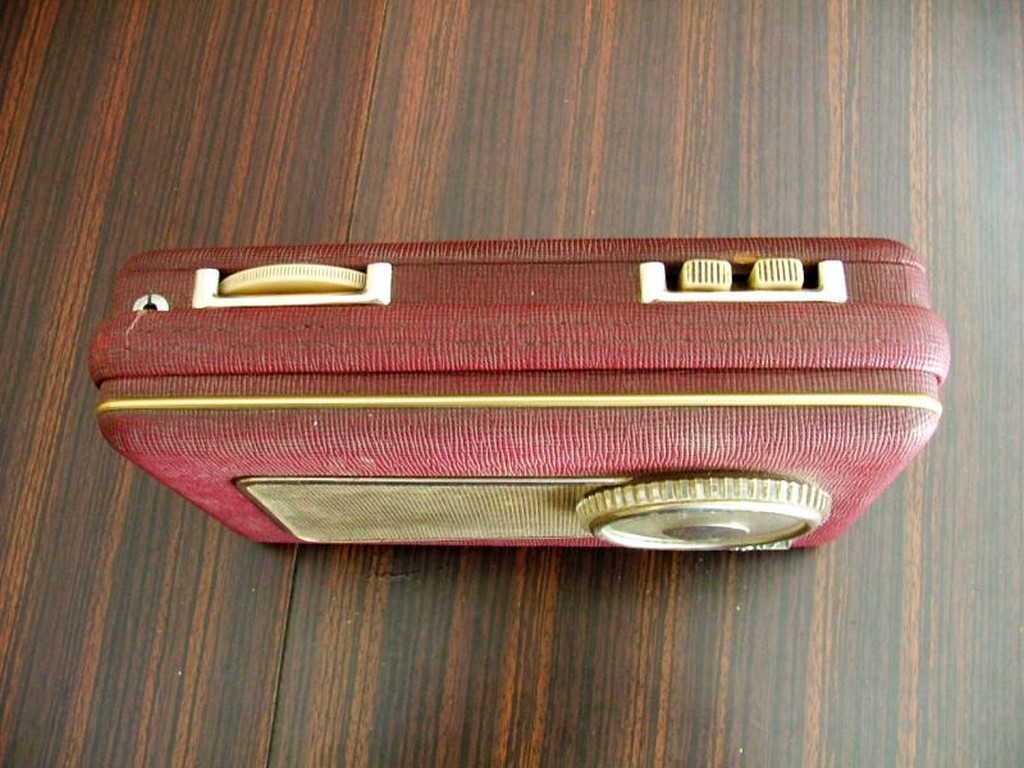
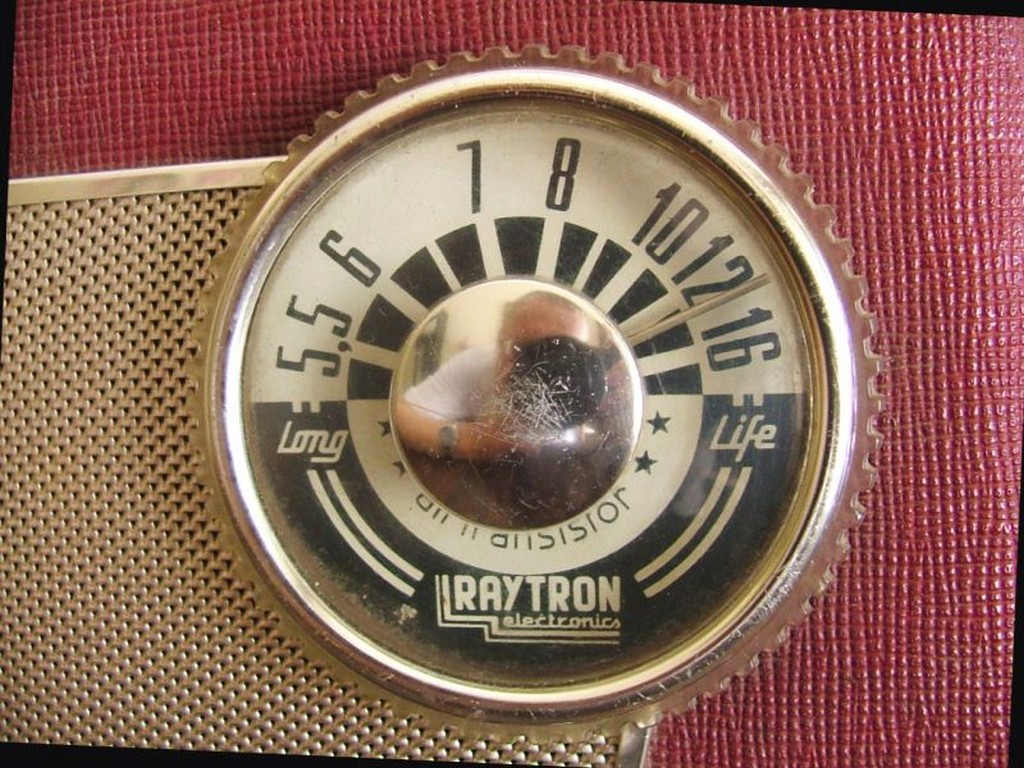
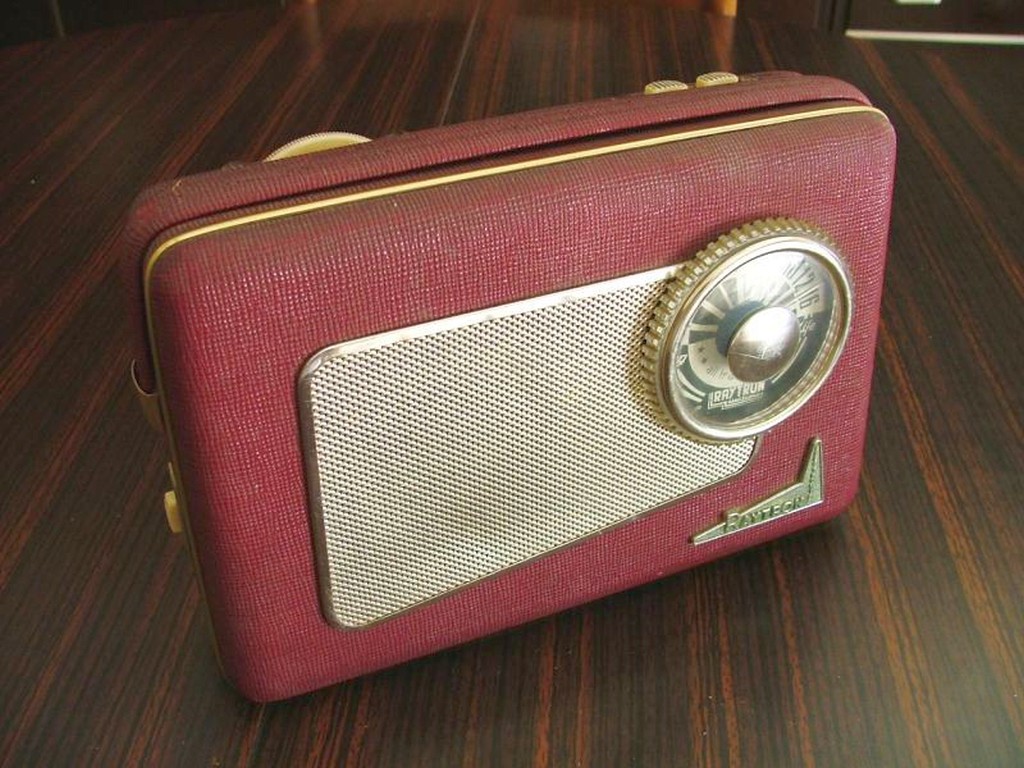
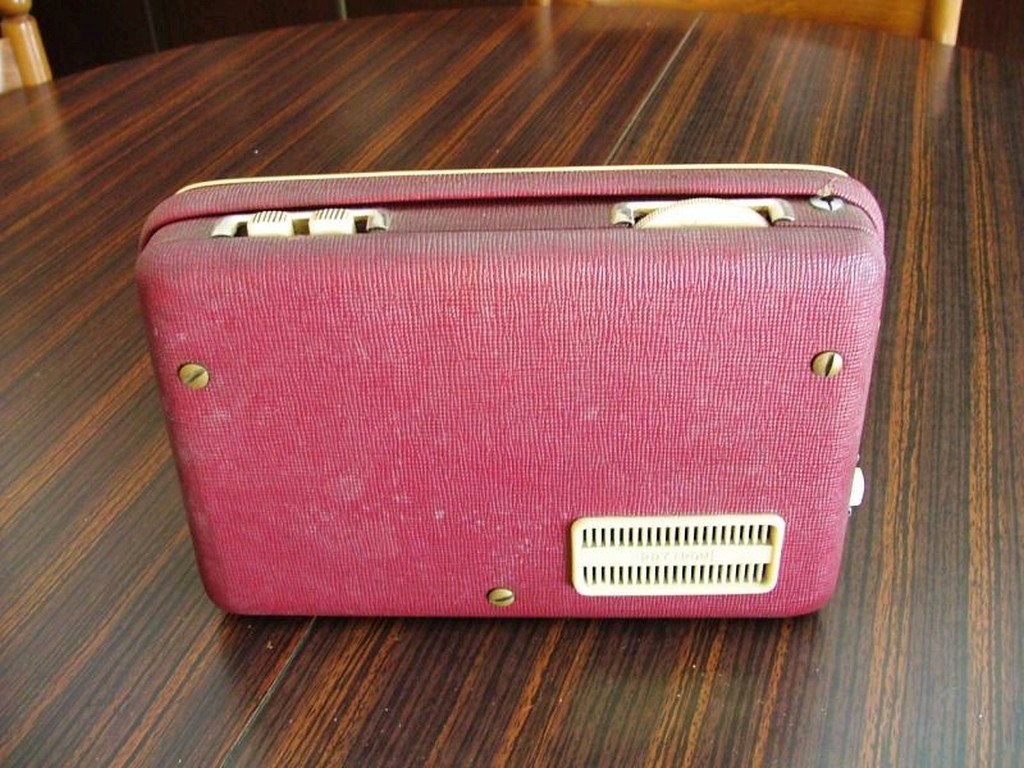
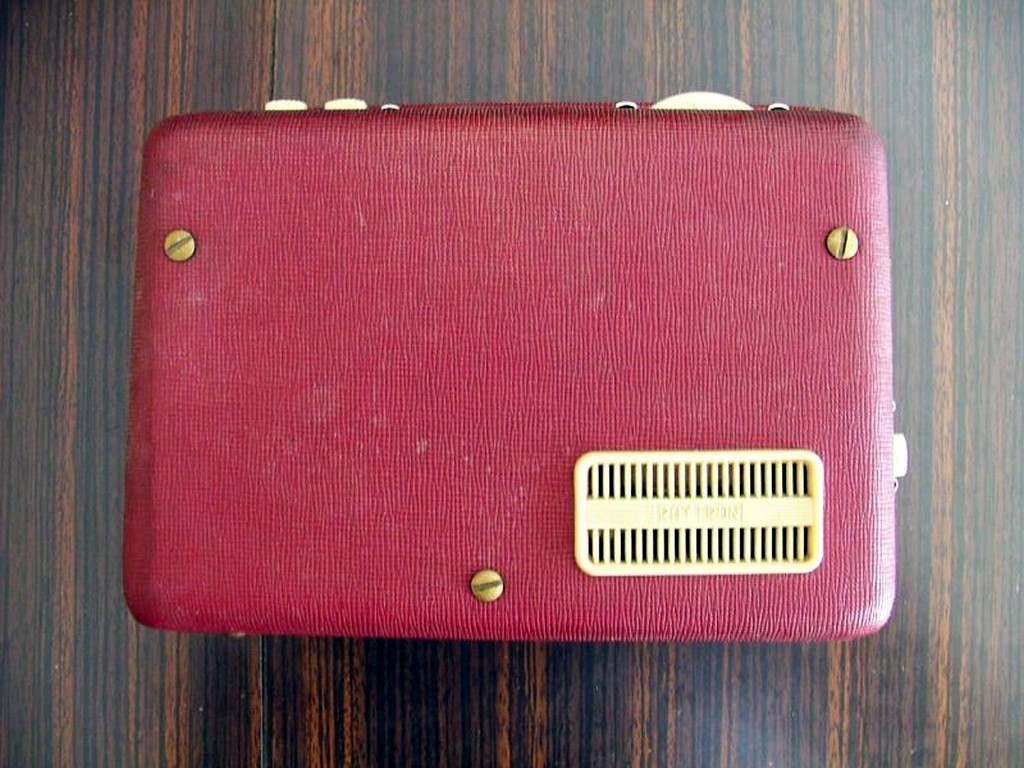
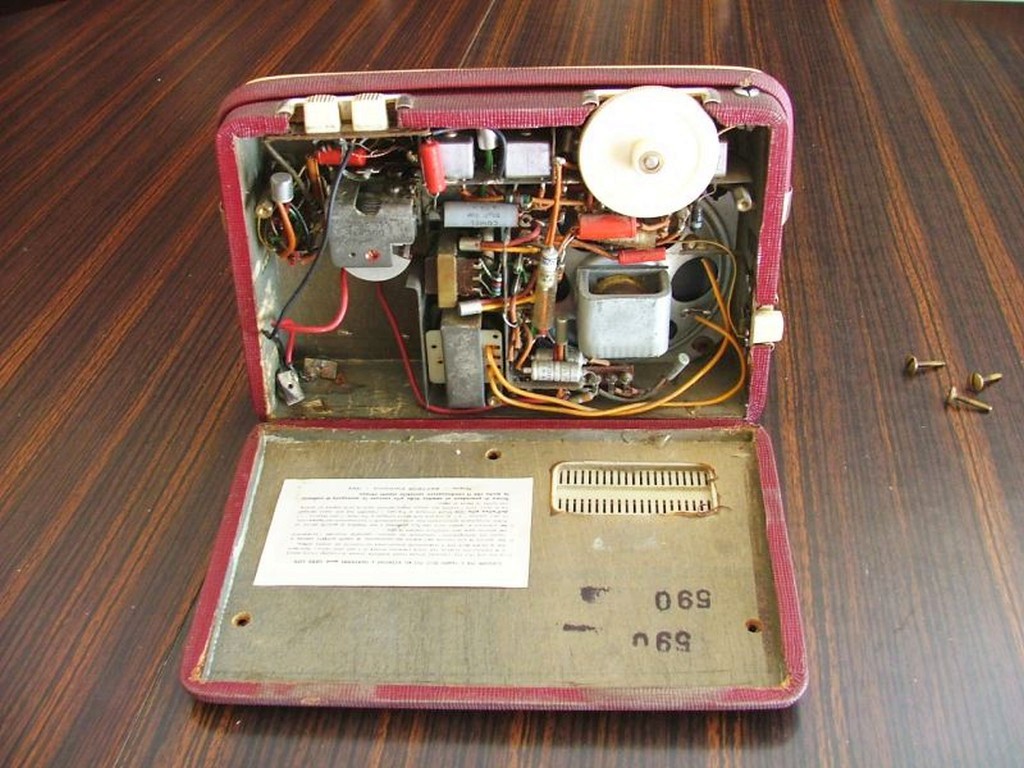
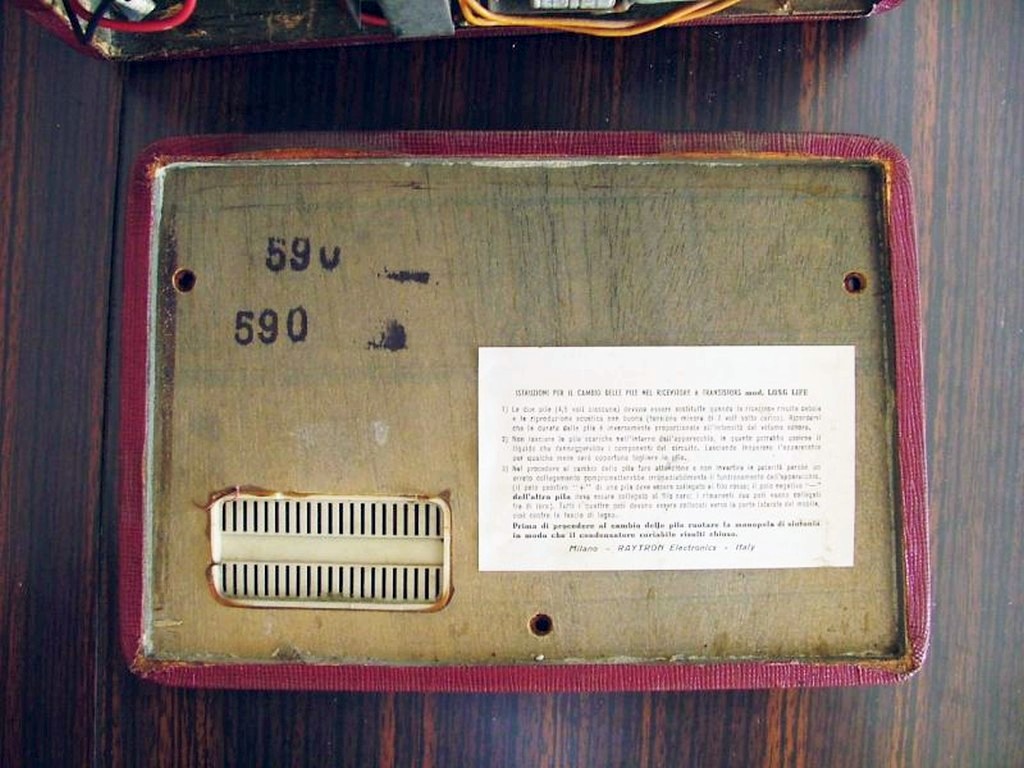
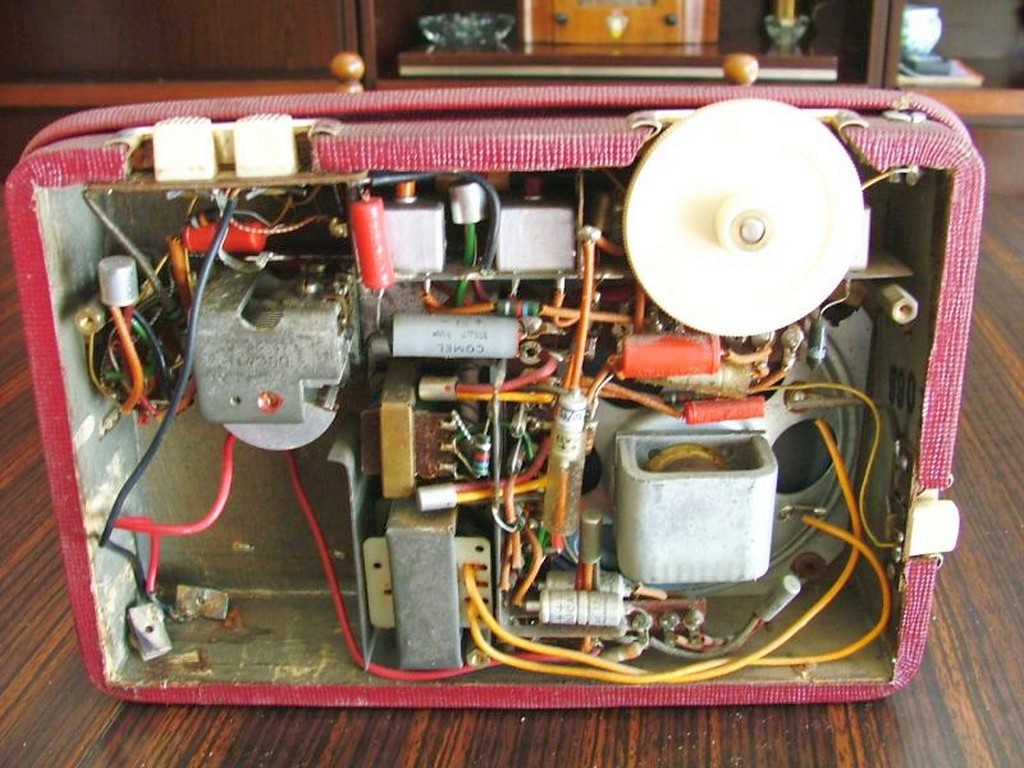
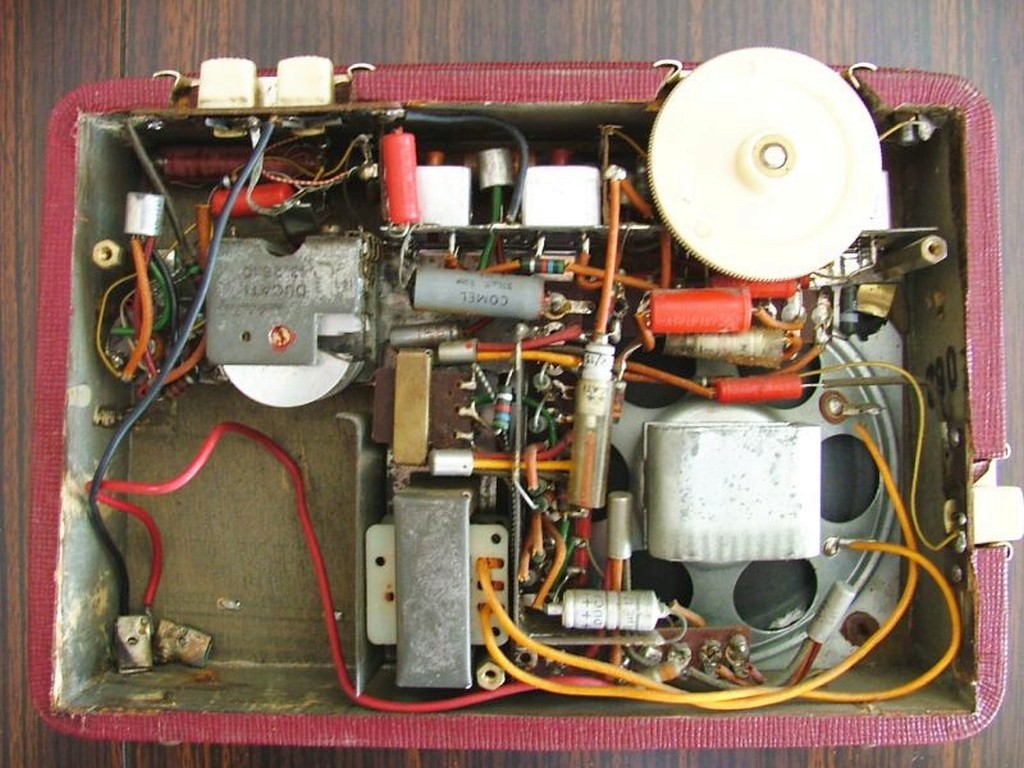
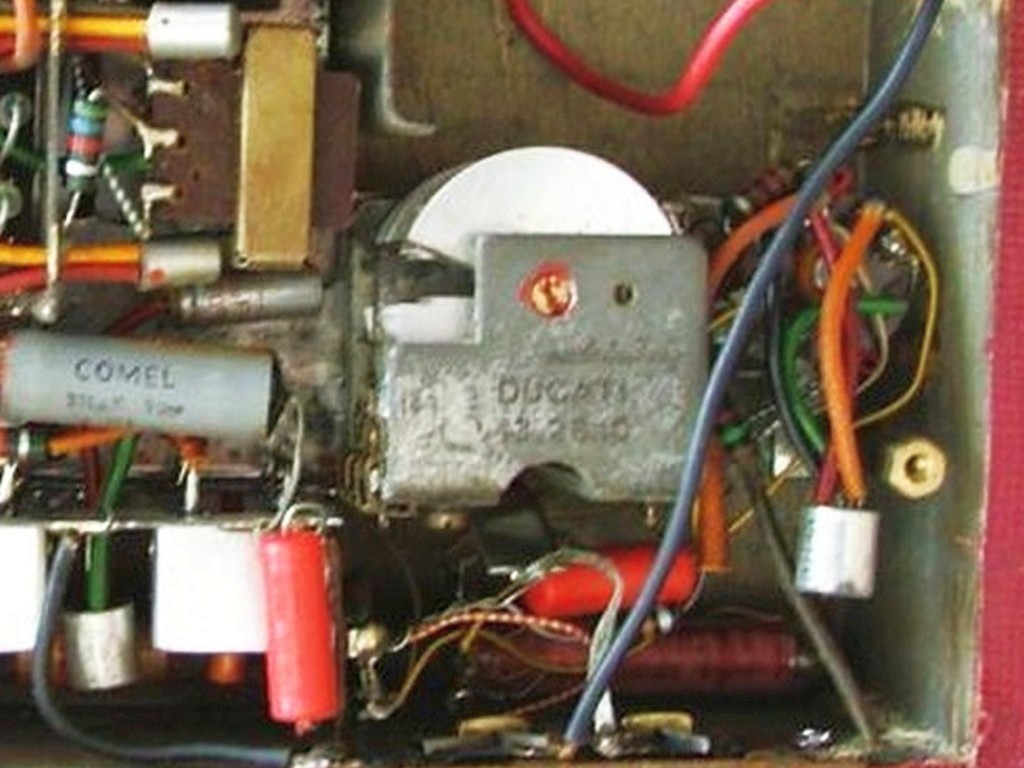
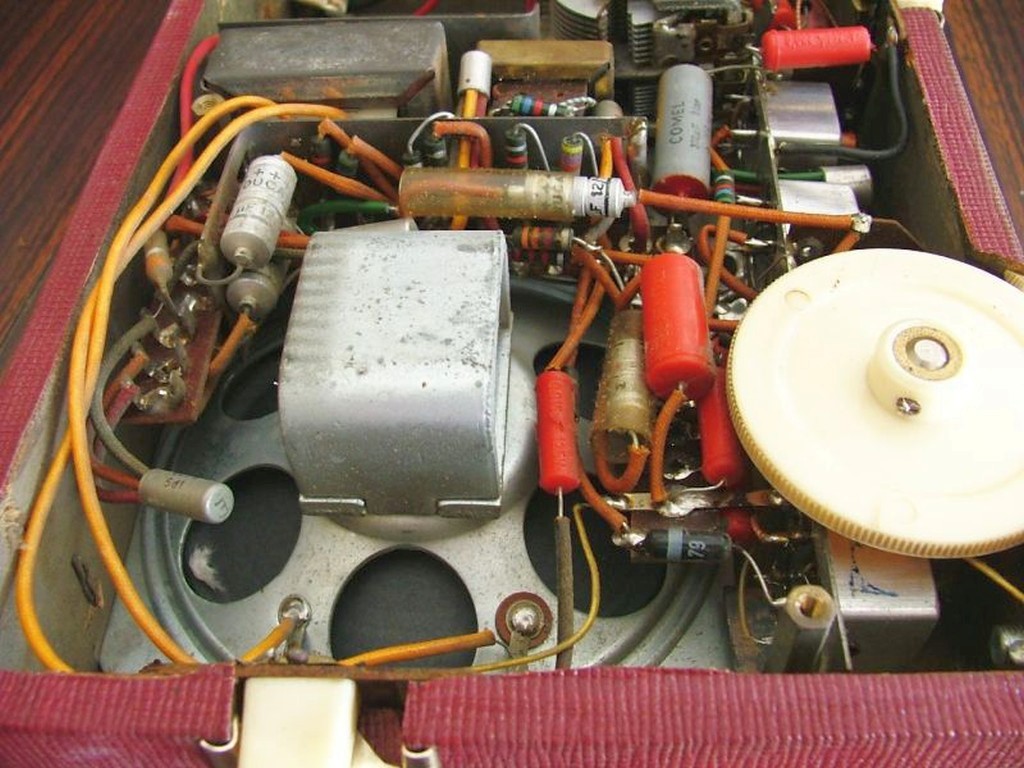
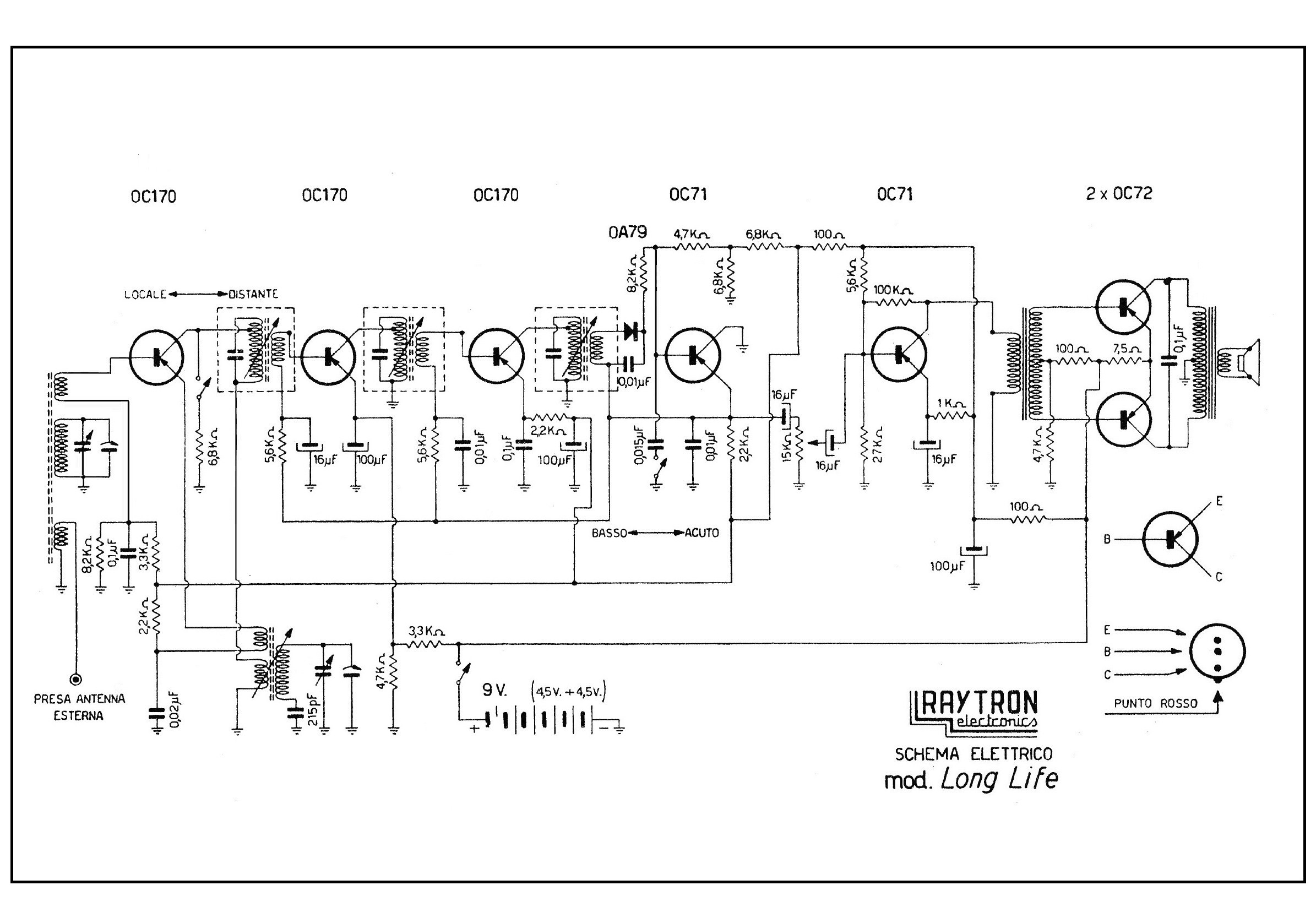
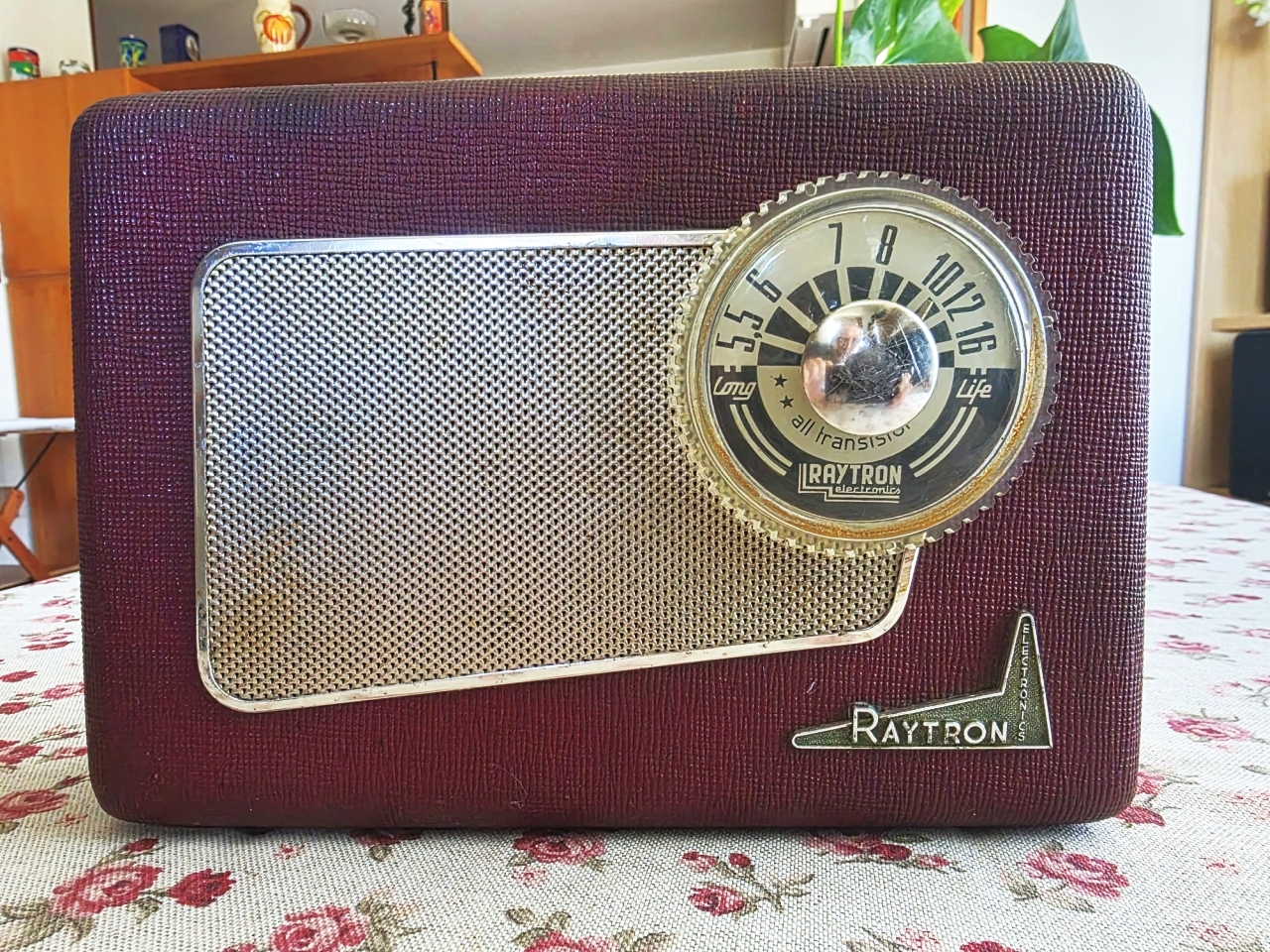
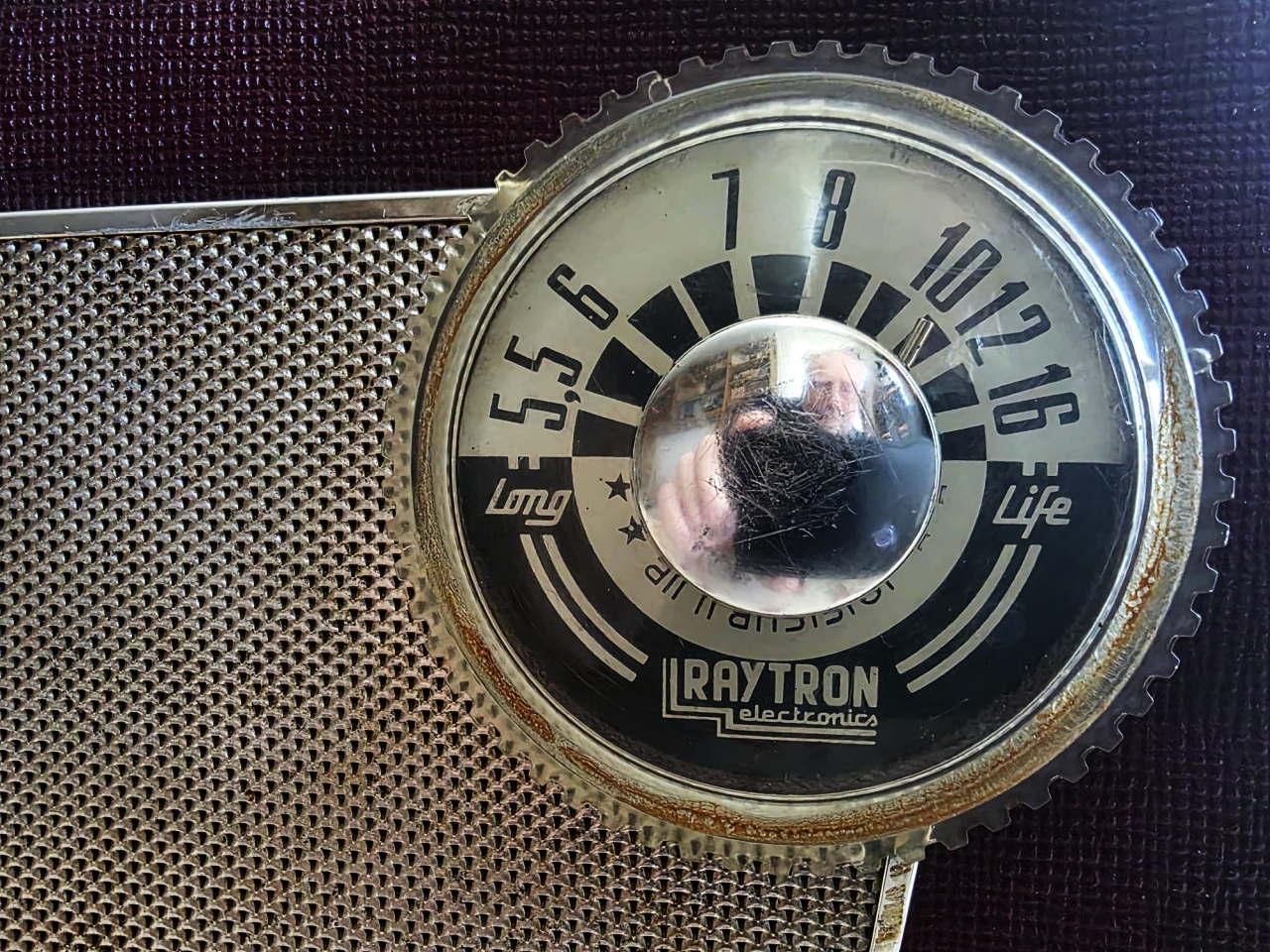
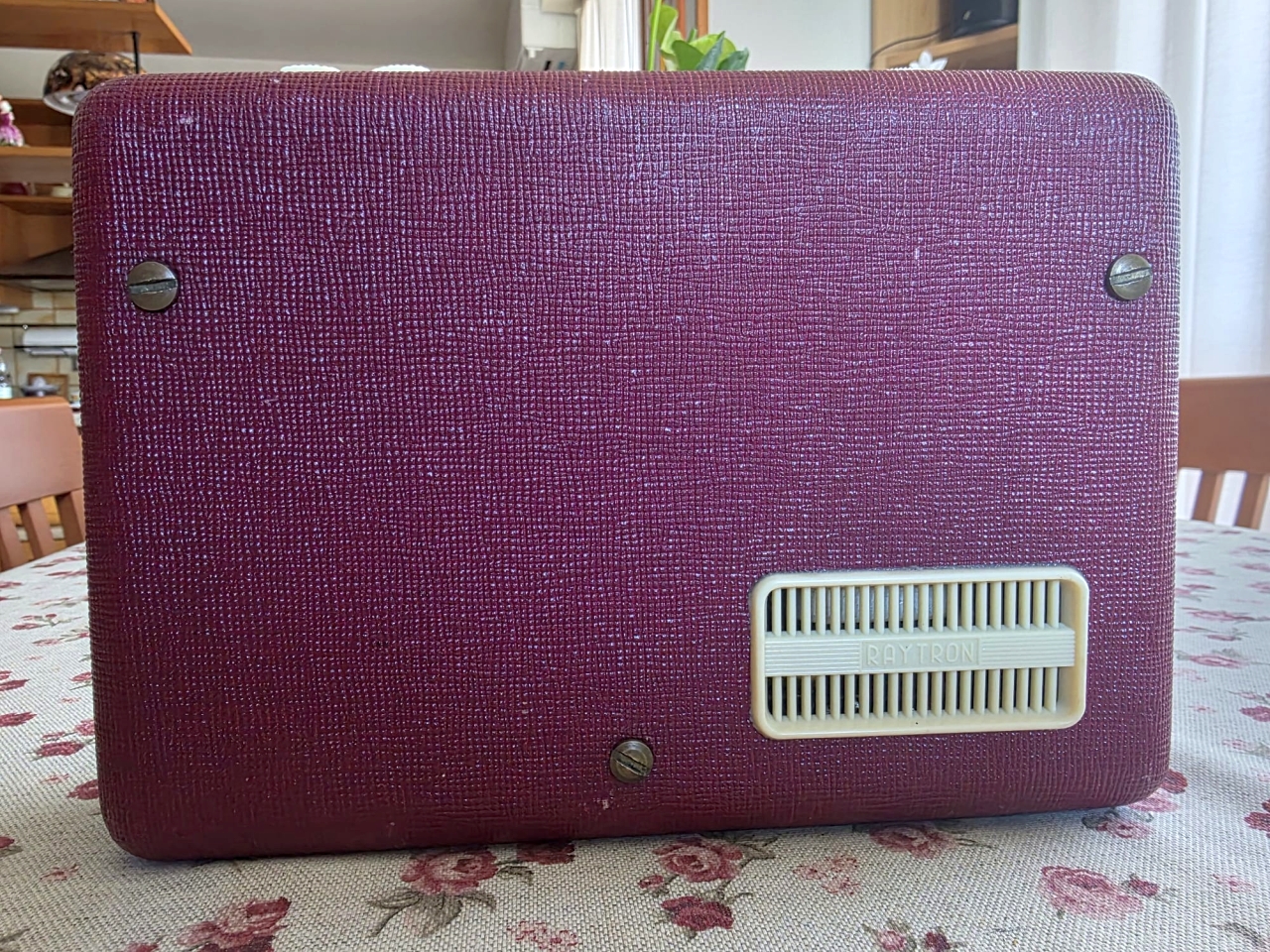
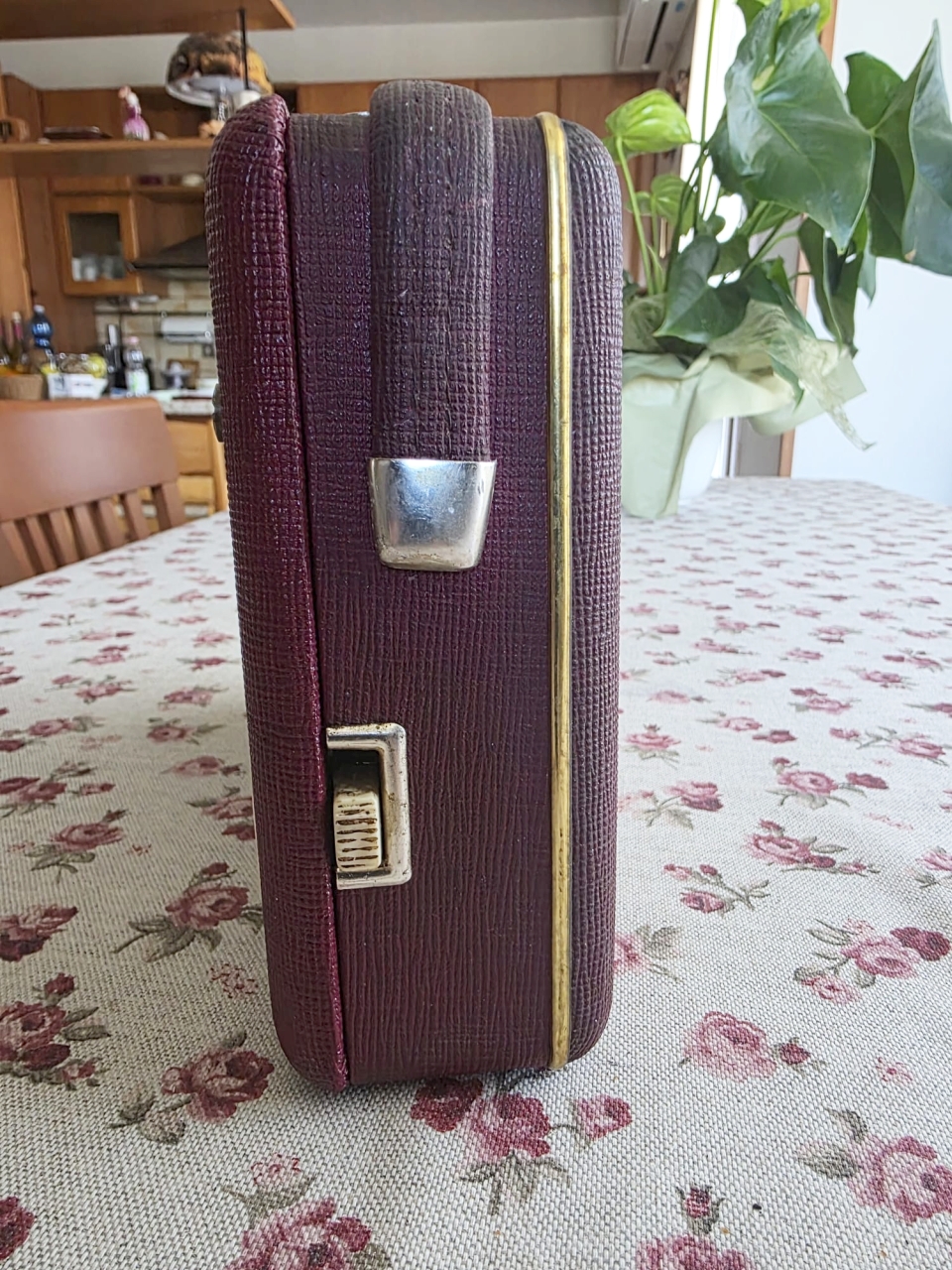
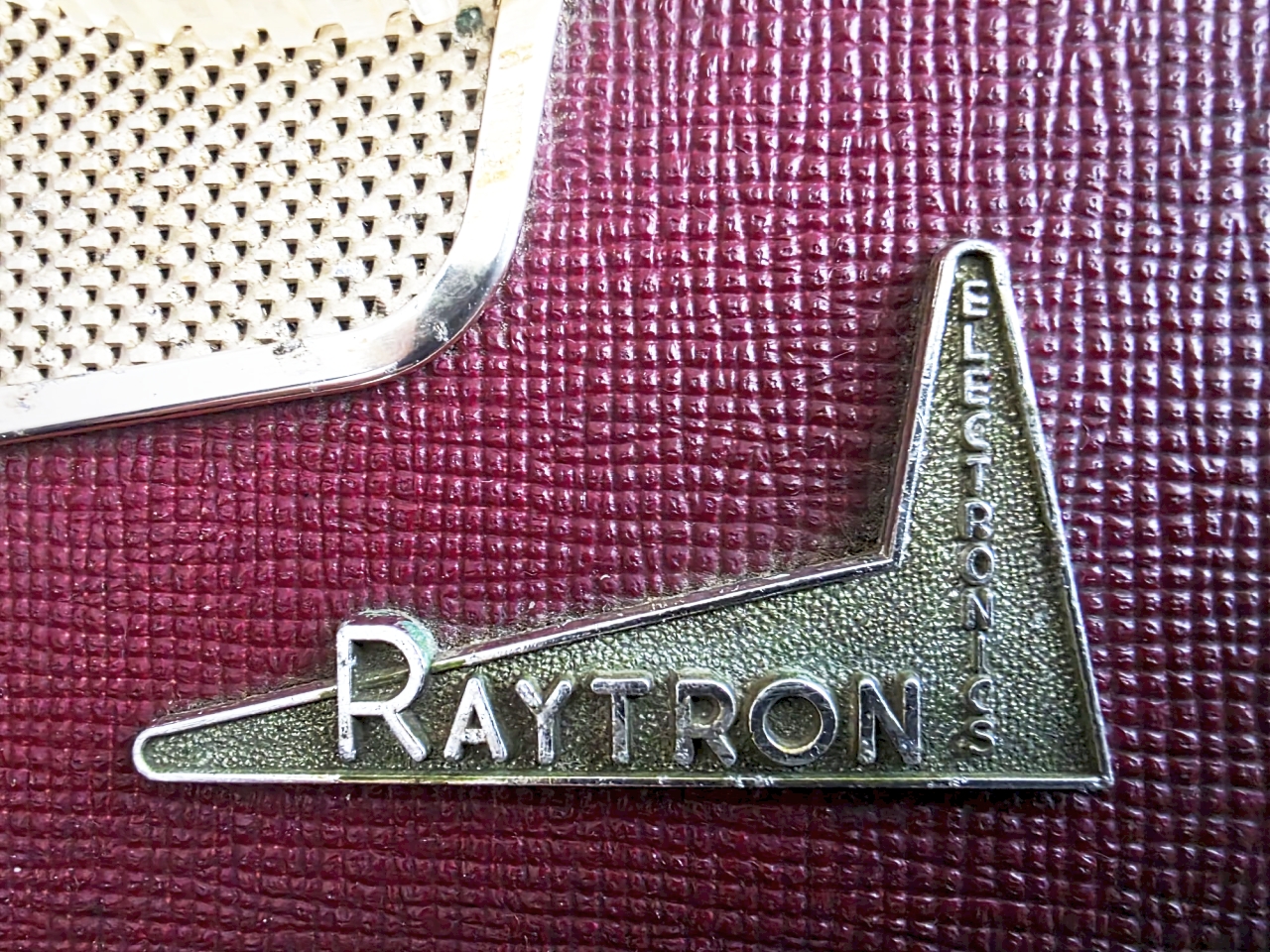
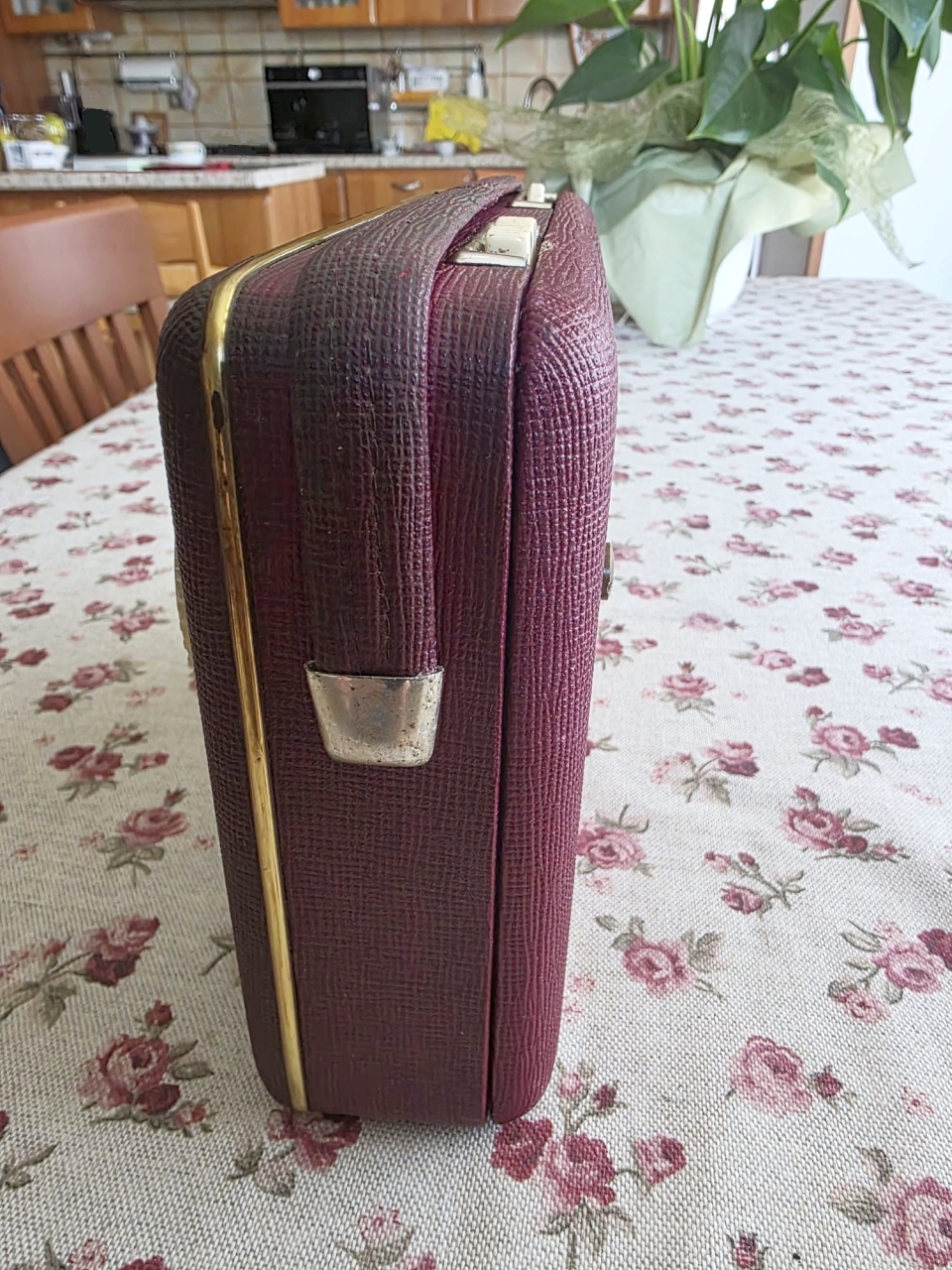
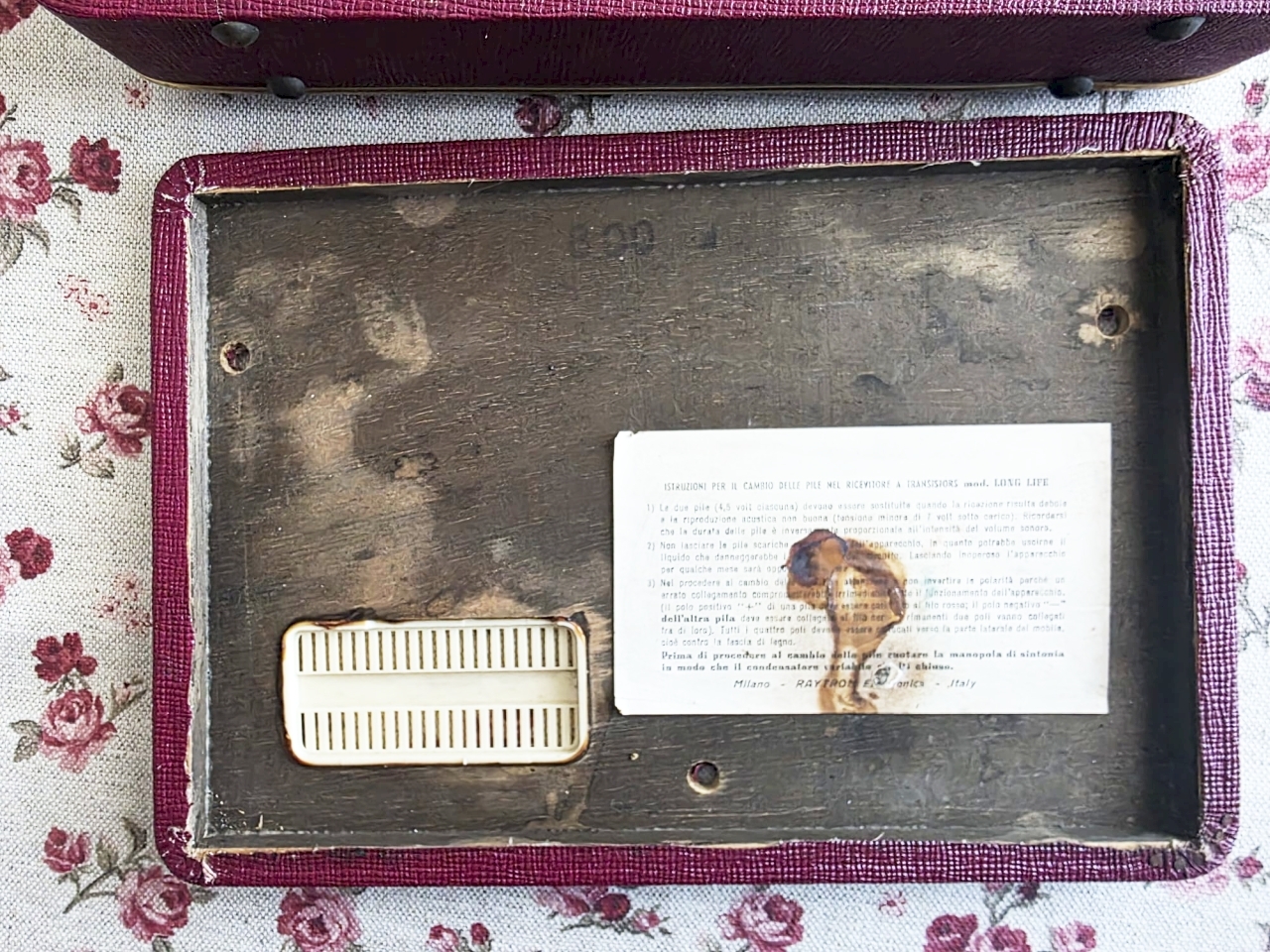
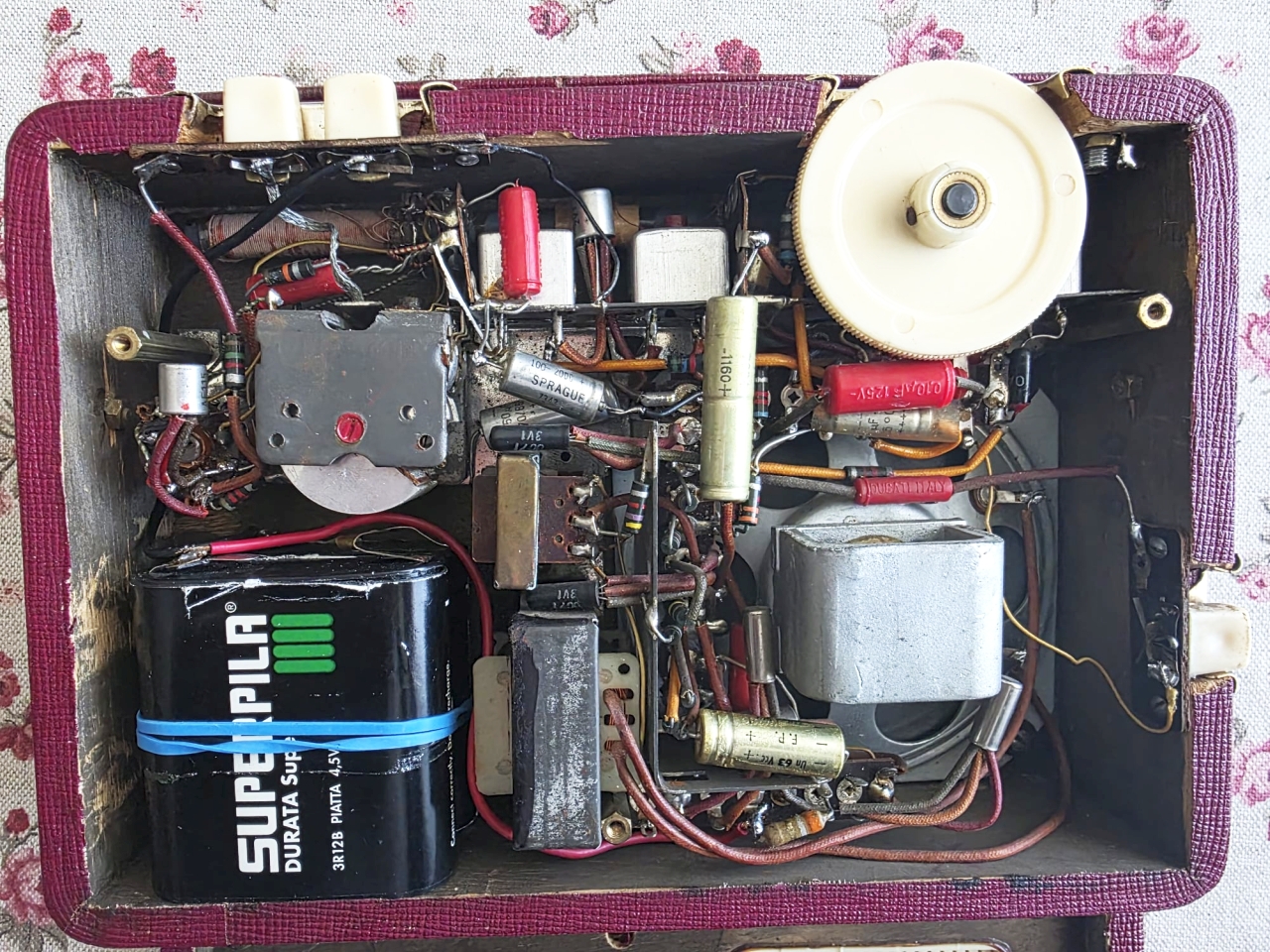
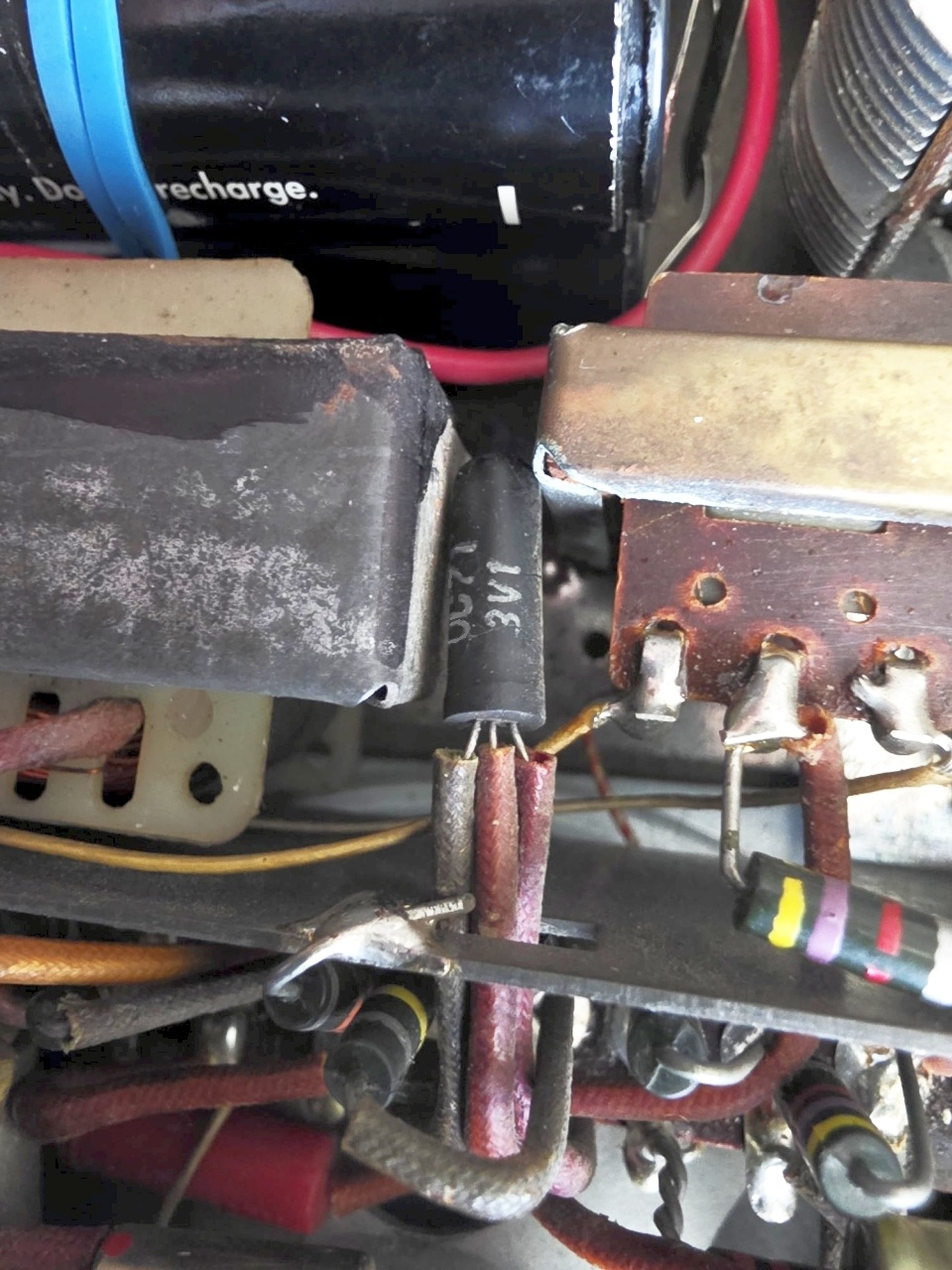
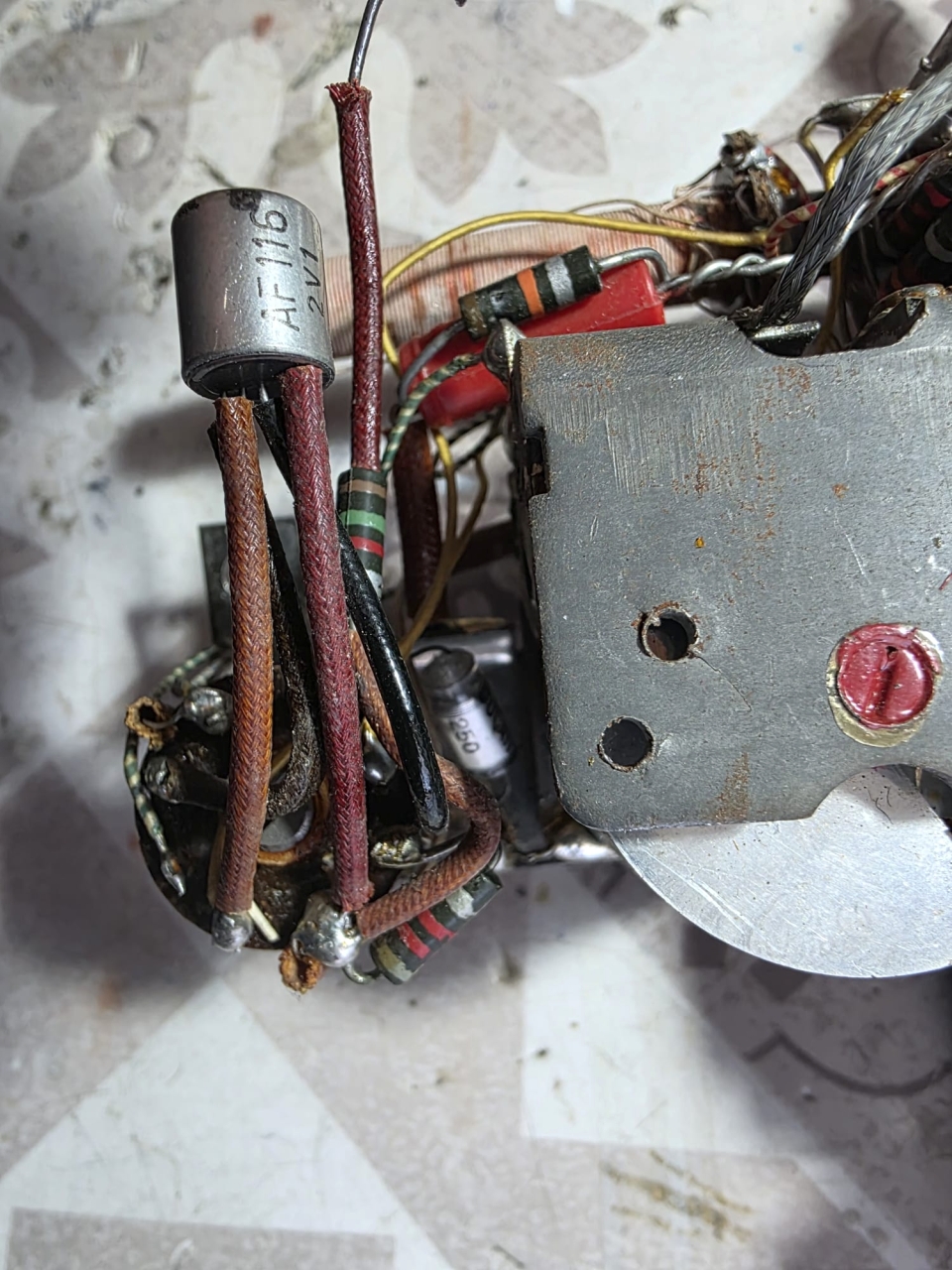
Italy ~ 1960. Portable superheterodyne receiver for the medium wave band. The circuit uses seven germanium transistors: OC44 (or OC170 or AF116), OC45 (or OC170 or AF116), OC45 (or OC170 or AF116), OC71, OC71, OC72, OC72, and an OA79 germanium diode. The antenna is wound on a long ferrite core, and the components are attached to a metal chassis with support plates and wires soldered to the various parts without the use of a printed circuit board. The intermediate frequency resonates at 455 kHz. The audio stage consists of an OC71 preamplifier and another OC71 that drives the push-pull output of two OC72s via transformers. The speaker is a 3.5 inch magnetodynamic speaker. The cabinet is made of wood covered in faux leather and features a carrying handle. On the front panel, on the right, is a large, geared tuning knob. On the top left is a socket for an external wire antenna, a volume control knob, and two slide controls to the right. One is the power switch, while the other, when activated, activates a reception sensitivity attenuator. On the left side of the cabinet is another slide switch that acts as a tone control. The radio is powered by two 4.5V 3R12 flat zinc carbon batteries connected in series for a total of 9V. The Long Life dimensions are 9.1 x 6.3 x 2.4 inches, and the net weight is 2 lb 10.5 oz. I have two examples of this receiver: the first with serial number 590 and three OC170 transistors for high and medium frequencies, and the second with serial number 800 which uses three AF116 transistors for the same purpose. Both of these types of high-frequency transistors produced in the late 1950s and early 1960s, have suffered from the problem of "tin whiskers", which are very thin metal filaments which develop over the years in the insulating material contained within the metal casing of the transistor and short-circuit one or more electrodes with the metal casing. (More information on tin whiskers can be found on Mark Hennessy's page at this link.) In the Raytron with serial number 800 I replaced the AF116 radio frequency amplifier and oscillator that was short-circuited with an AF115 (a better high frequency transistor) that I had treated some time ago with electric discharge, and after having also replaced some electrolytic capacitors for safety the radio started working perfectly again as you can see and hear in this short video. © IK3HIA, 2006 - 2026. |
|||
|
Click sulle immagini per ingrandire
Click on images to enlarge
|
|||
 |
 |
 |
 |
 |
 |
 |
 |
|
Raytron Electronics - Long Life -
Milano, Italia ~ 1960. Ricevitore supereterodina portatile per la banda delle Onde Medie. Il circuito utilizza 7 transistor al germanio: OC44 (oppure OC170 o AF116), OC45 (oppure OC170 o AF116), OC45 (oppure OC170 o AF116), OC71, OC71, OC72, OC72 e un diodo al germanio OA79. L'antenna è avvolta su un lungo nucleo di ferrite e i componenti sono fissati a uno chassis metallico con basette di supporto e fili saldati alle varie parti senza l'utilizzo di un circuito stampato. La frequenza intermedia risuona a 455 kHz, lo stadio audio è costituito da un OC71 preamplificatore e un altro OC71 che pilota il push pull di due OC72 tramite trasformatori. L'altoparlante è un magnetodinamico da 9 cm. Il mobiletto è in legno ricoperto di finta pelle e dotato di maniglia per il trasporto. Sul pannello frontale a destra c'è la larga manopola demoltiplicata per la sintonia, mentre sulla parte superiore a sinistra c'è la presa per un'antenna filare esterna, poi la manopola per il controllo del volume e verso destra ci sono due comandi a slitta, il primo è l'interruttore di accensione e l'altro se attivato inserisce un attenuatore della sensibilità in ricezione. Sulla parte laterale sinistra del mobiletto è situato un altro interruttore a slitta che agisce come controllo del tono. L'alimentazione della radio è fornita da due batterie zinco carbone piatte da 4,5V tipo 3R12 poste in serie per un totale di 9 V. Le dimensioni della Long Life sono: 23 x 16 x 6 cm e il peso netto è di 1,205 kg. Di questo ricevitore ho due esemplari, il primo con matricola 590 e tre transistor OC170 in alta e media frequenza, e il secondo con matricola 800 che per lo stesso scopo utilizza 3 transistor AF116. Entrambi questi tipi di transistor per alta frequenza, prodotti alla fine degli anni '50 e all'inizio degli anni '60, hanno presentato il problema dei baffi di latta (tin wiskers) ovvero dei sottilissimi filamenti metallici che si sviluppano con gli anni nel materiale isolante contenuto all'interno dell'involucro metallico del transistor e che mettono in cortocircuito uno o più elettrodi con l'involucro metallico. (Maggiori informazioni sui tin wiskers si possono trovare nella pagina di Mark Hennessy in questo link). Nella Raytron con matricola 800 ho sostituito l'AF116 amplificatore di radio frequenza e oscillatore che risultava cortocircuitato con un AF115 (un transistor migliore in alta frequenza) che avevo trattato tempo fa con la scarica elettrica, e dopo aver sostituito per sicurezza anche alcuni condensatori elettrolitici la radio è tornata a funzionare perfettamente come si può vedere e ascoltare in questo breve video. © IK3HIA, 2006 - 2026. |
|||
|
Click sulle immagini per ingrandire
Click on images to enlarge
|
|||
 |
 |
 |
 |
 |
 |
 |
 |
 |
 |
 |
 |
|
Return to top of
page
Torna a inizio pagina |
|||
 |
Return to: IK3HIA home page |
|
Return to: Transistor Radio |
|
Go to: Transistor diagrams |