 |
 |
|
|
 |
|||
| Italiano |
|
|
|
|
|
|
|
|||
| Italiano |
|
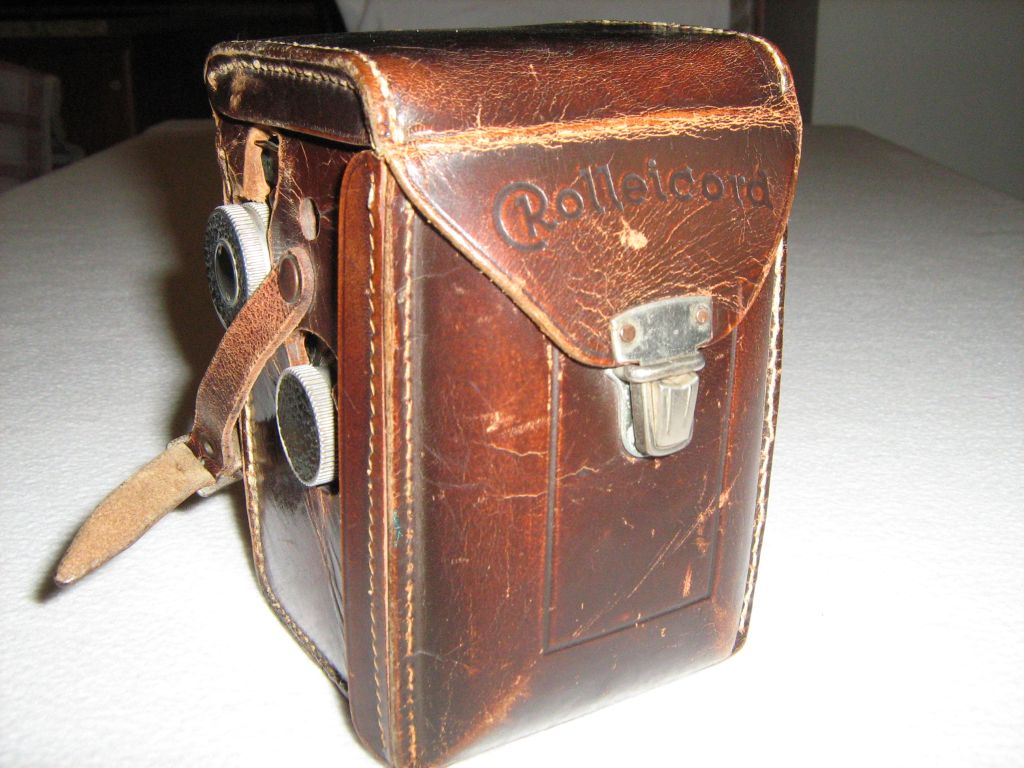
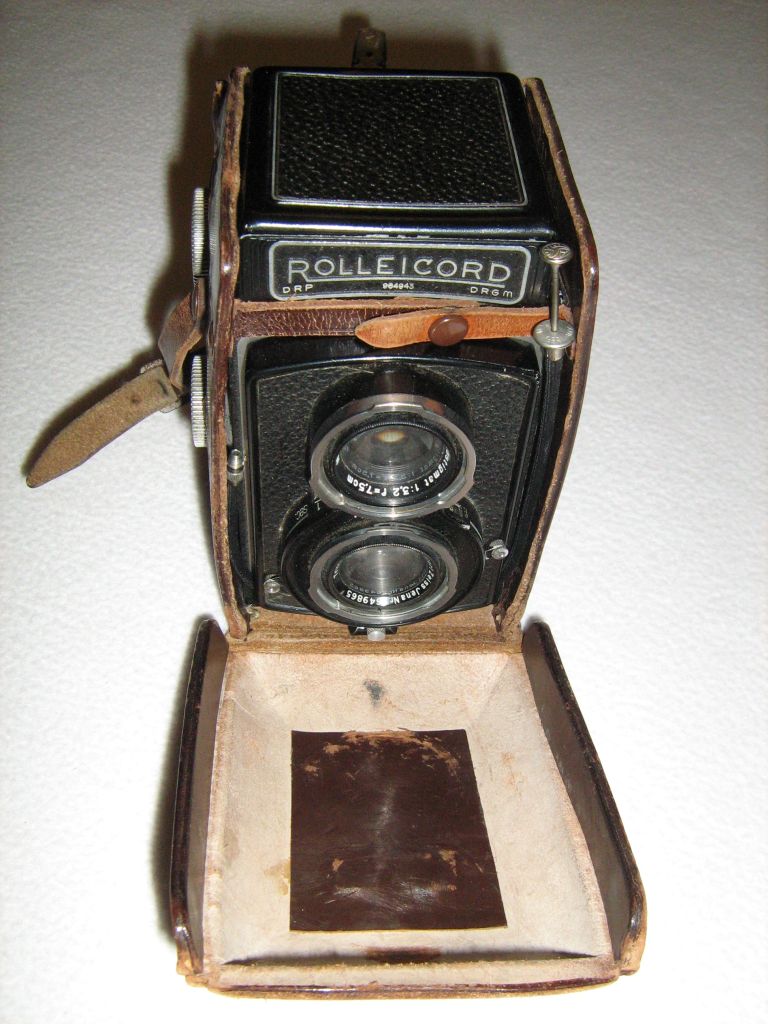
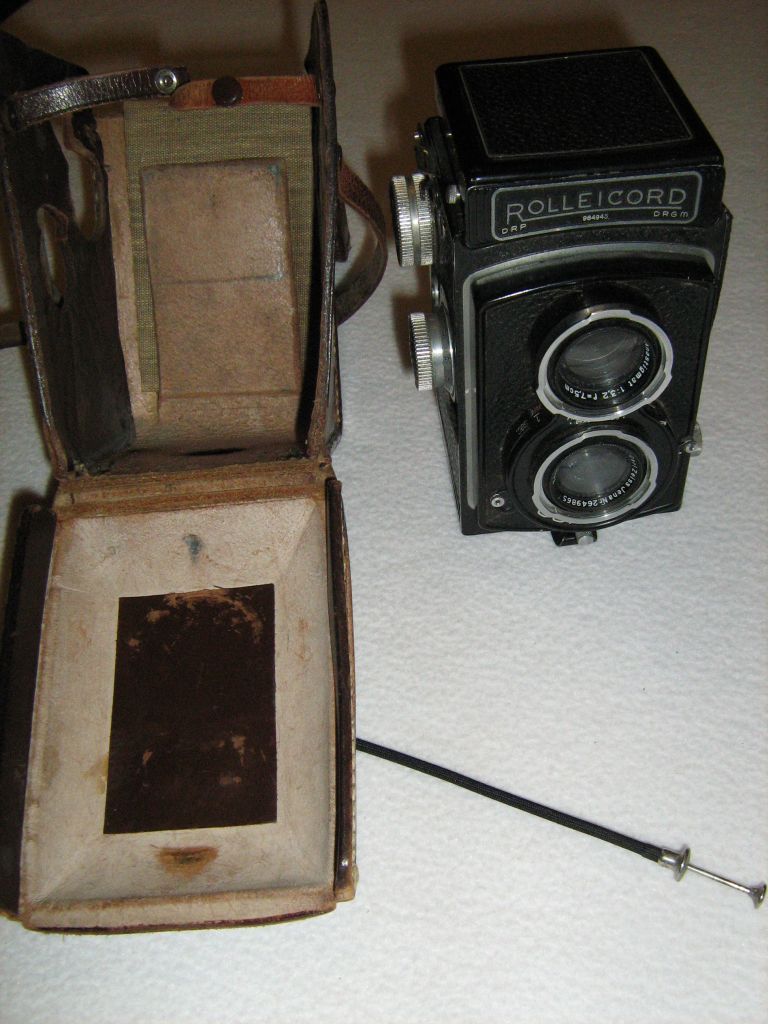
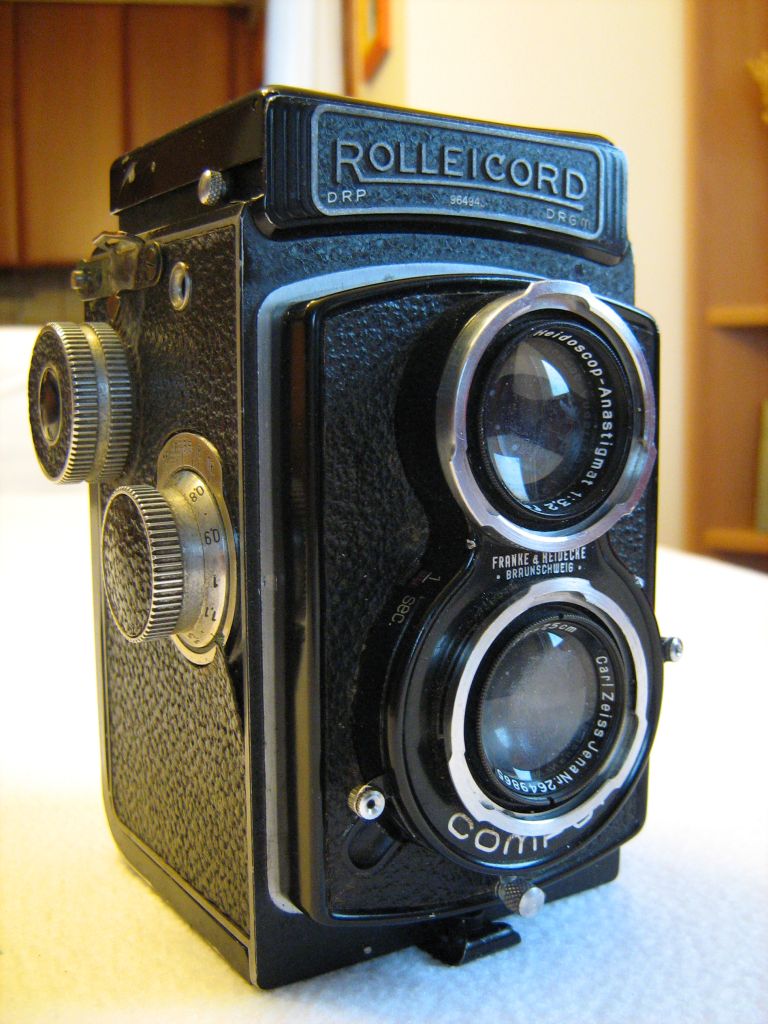
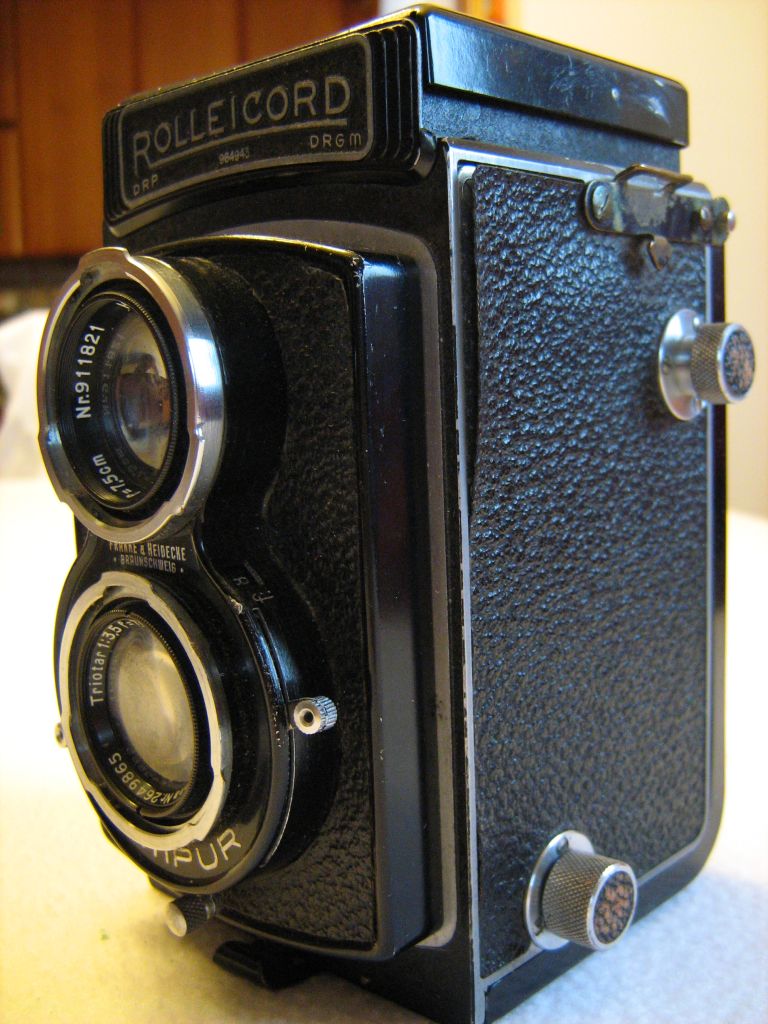
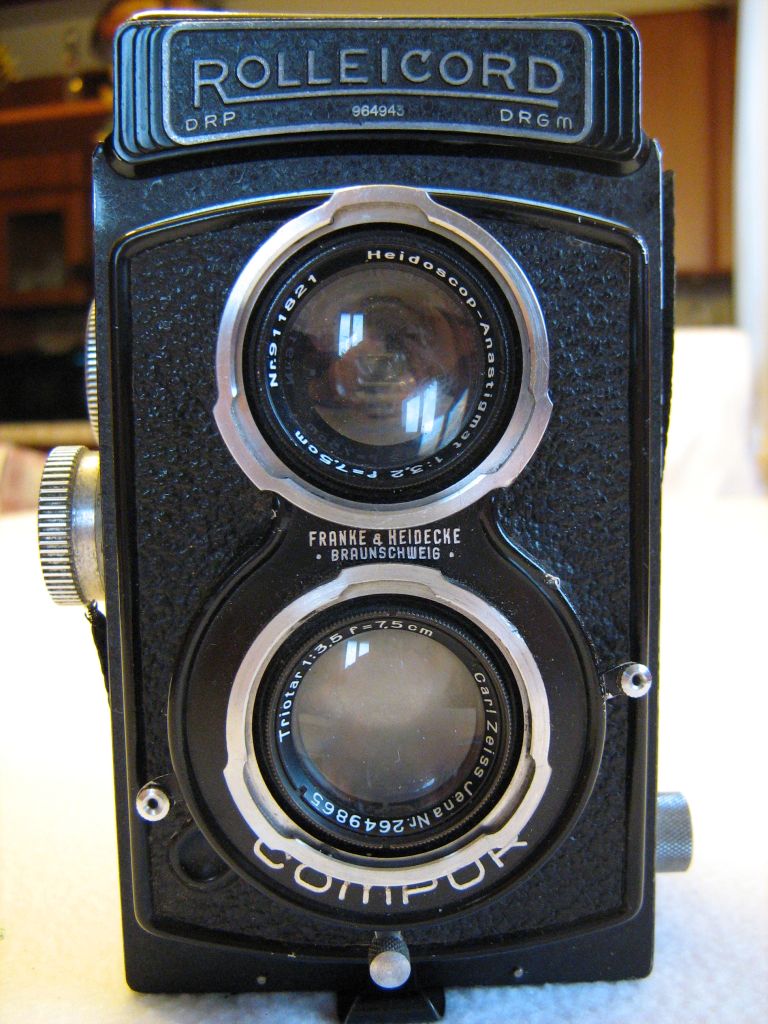
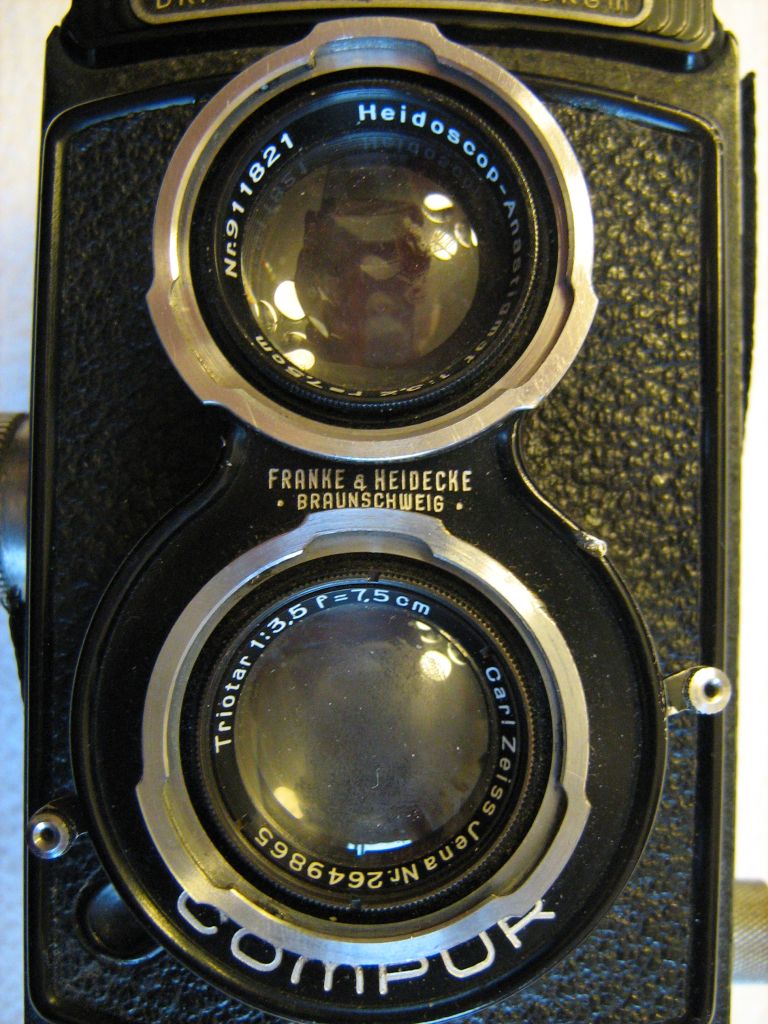
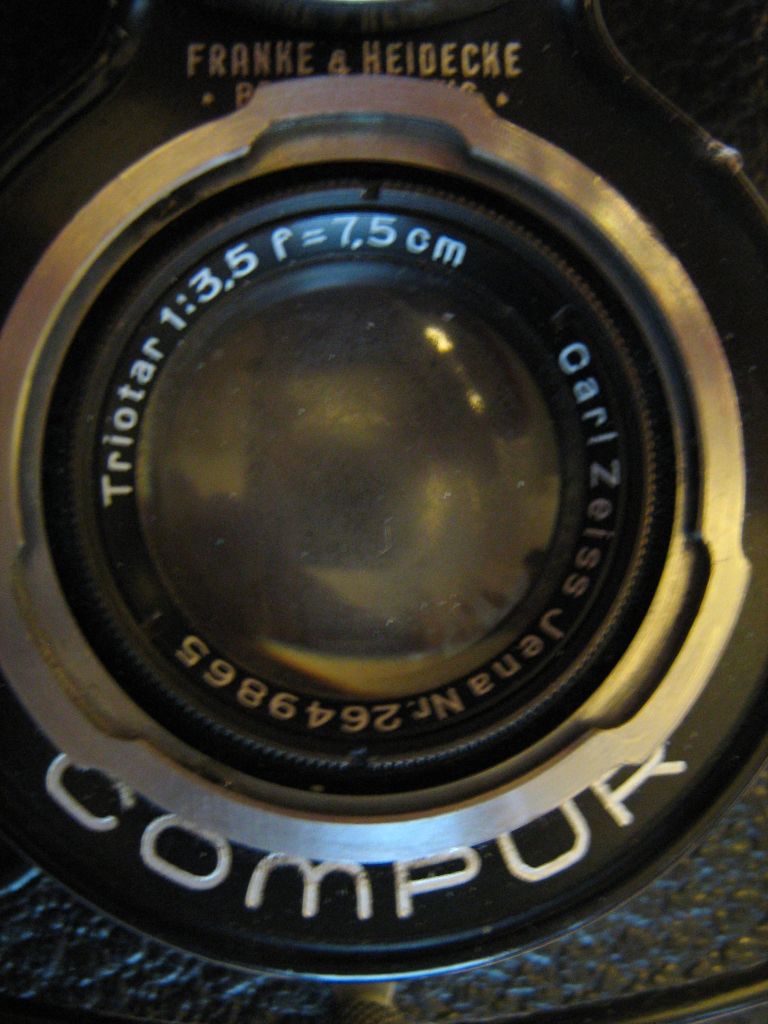
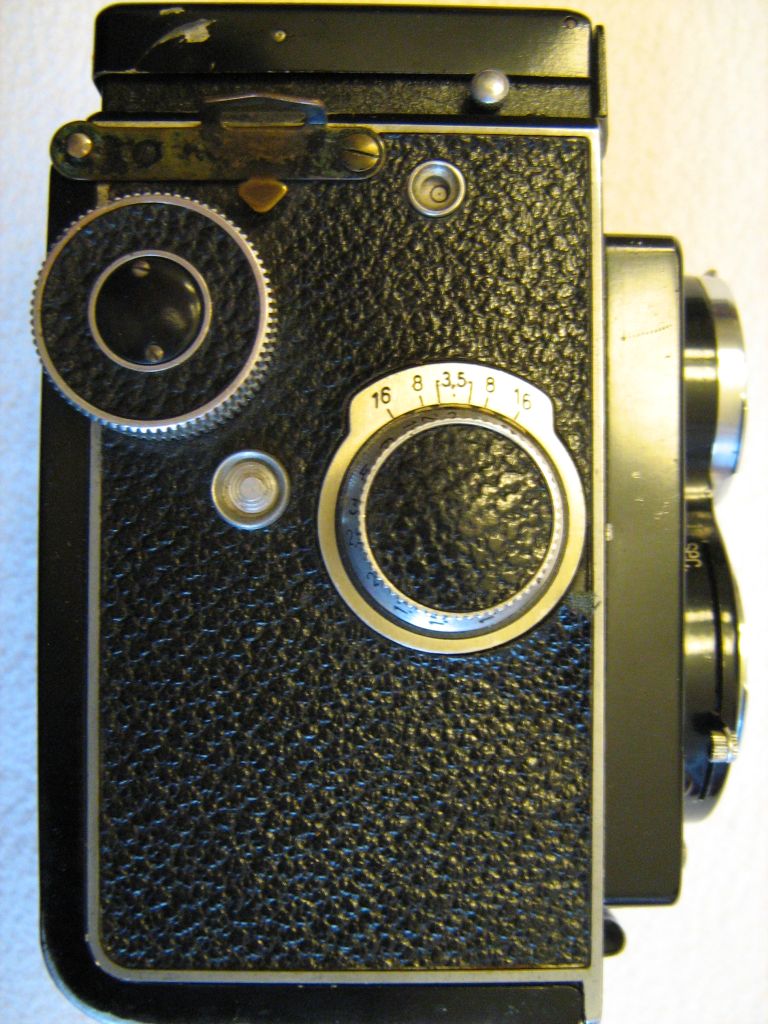
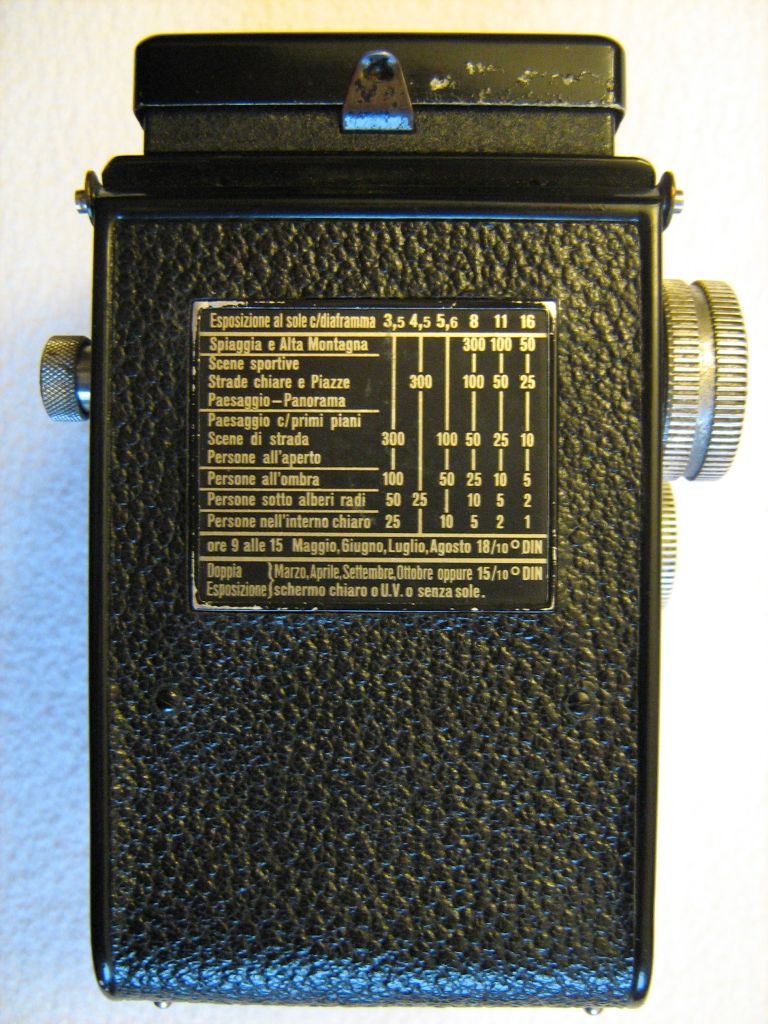
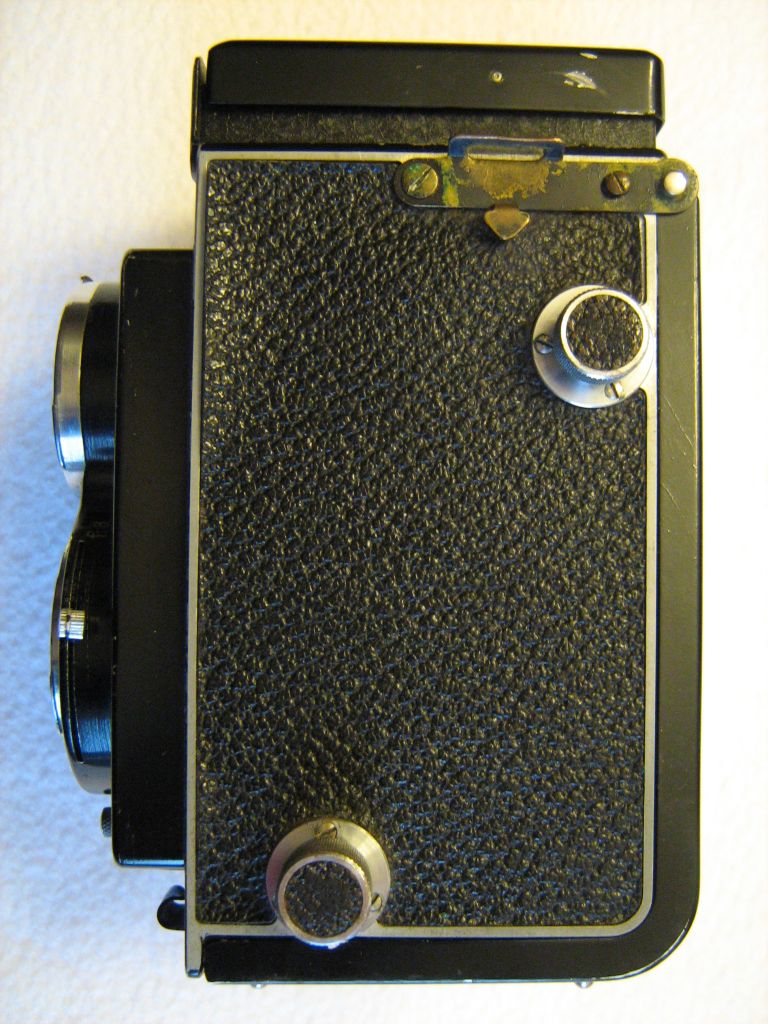
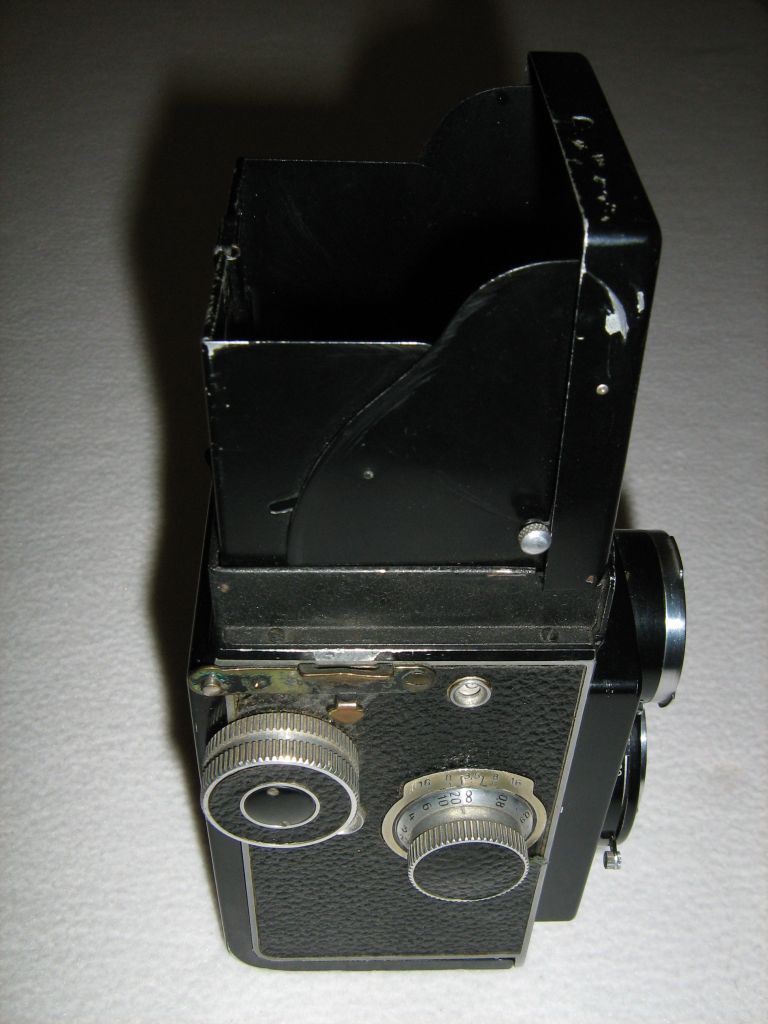
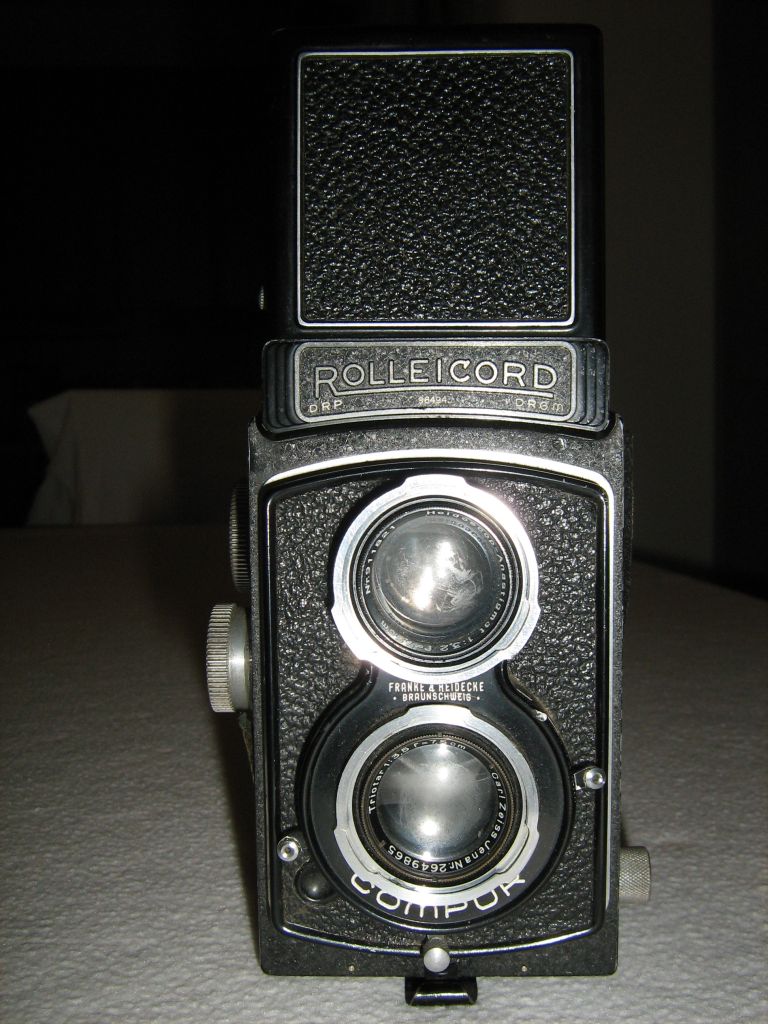
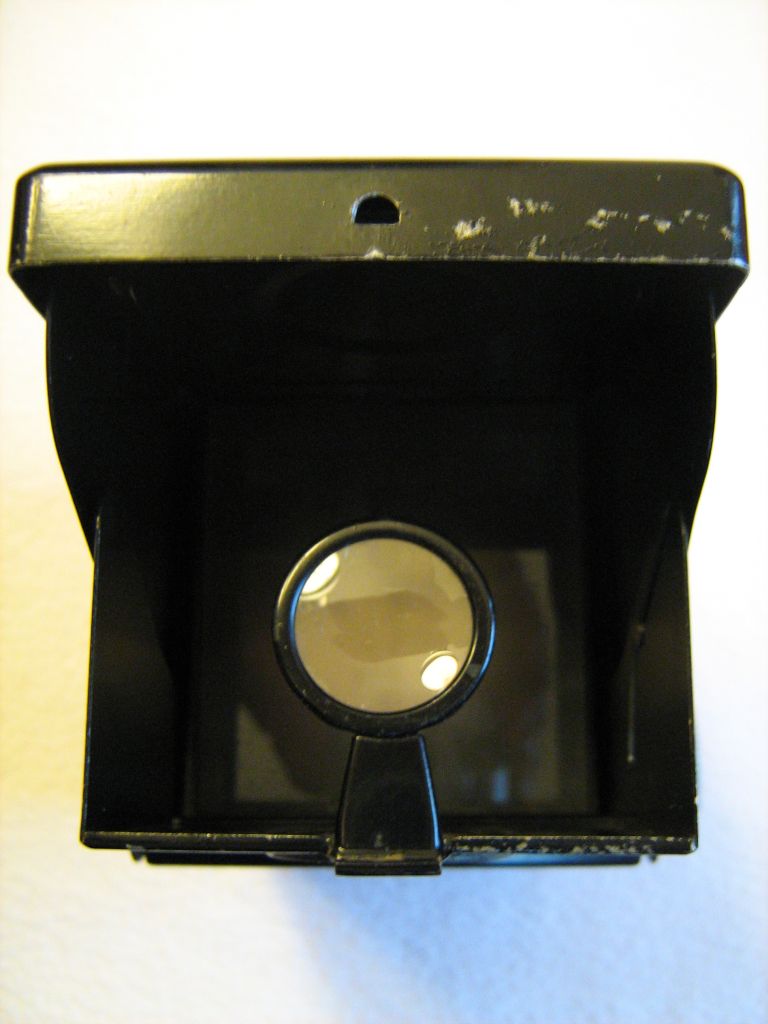
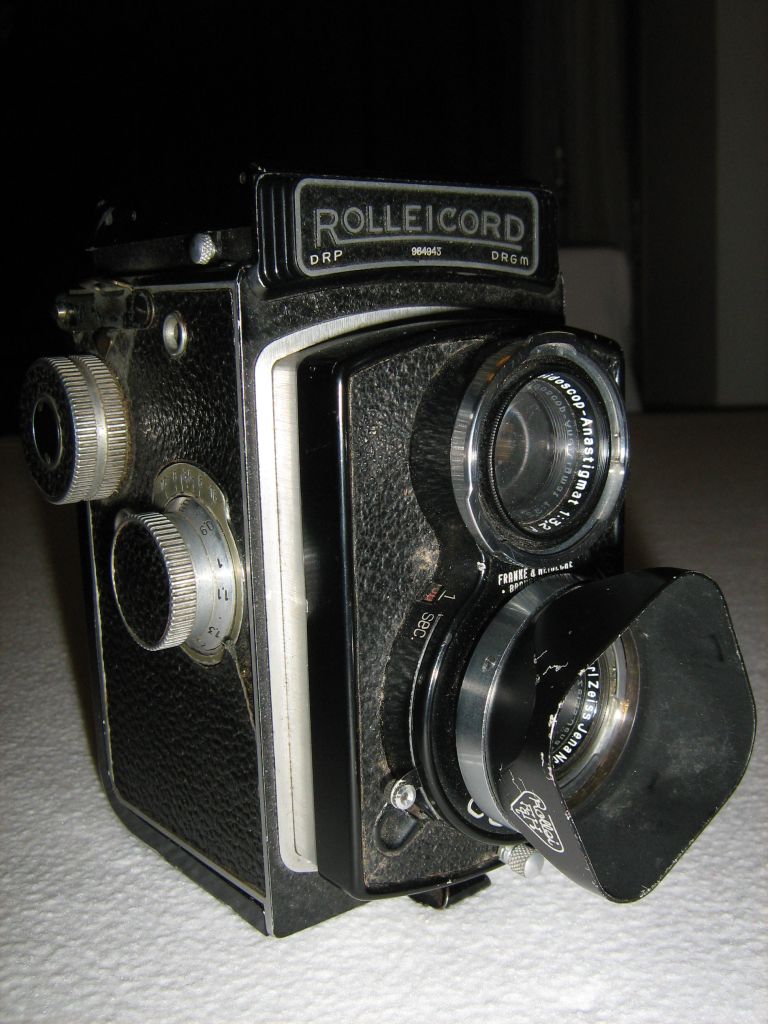
Rollei - Rolleicord IIc Model 4 *
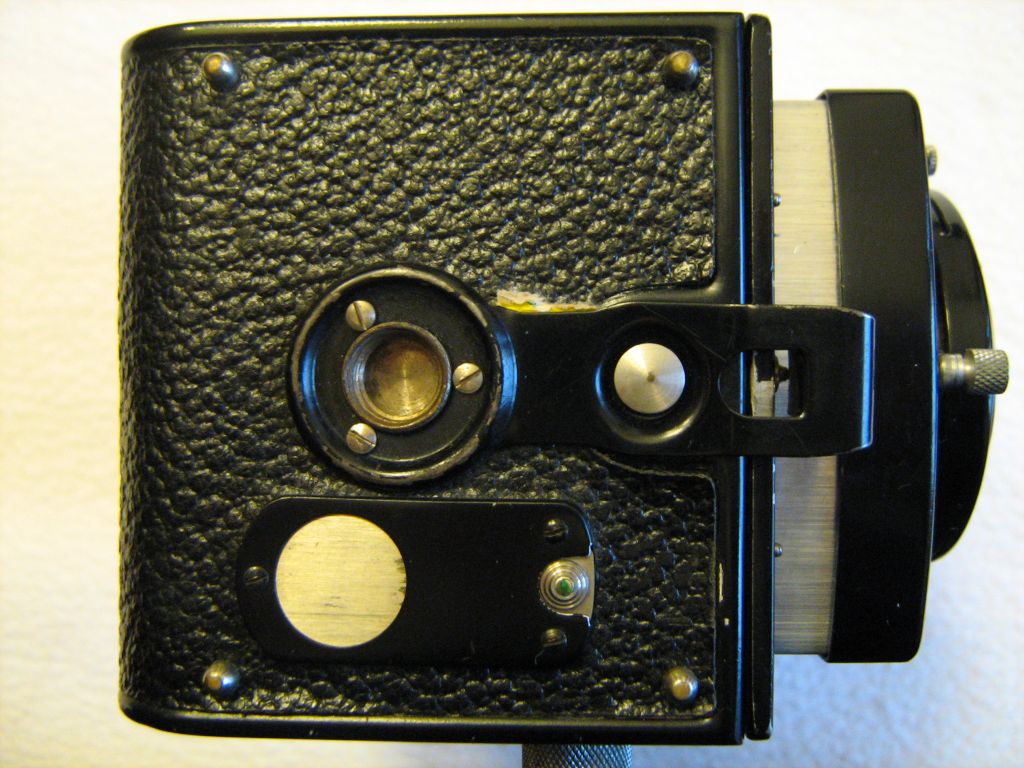
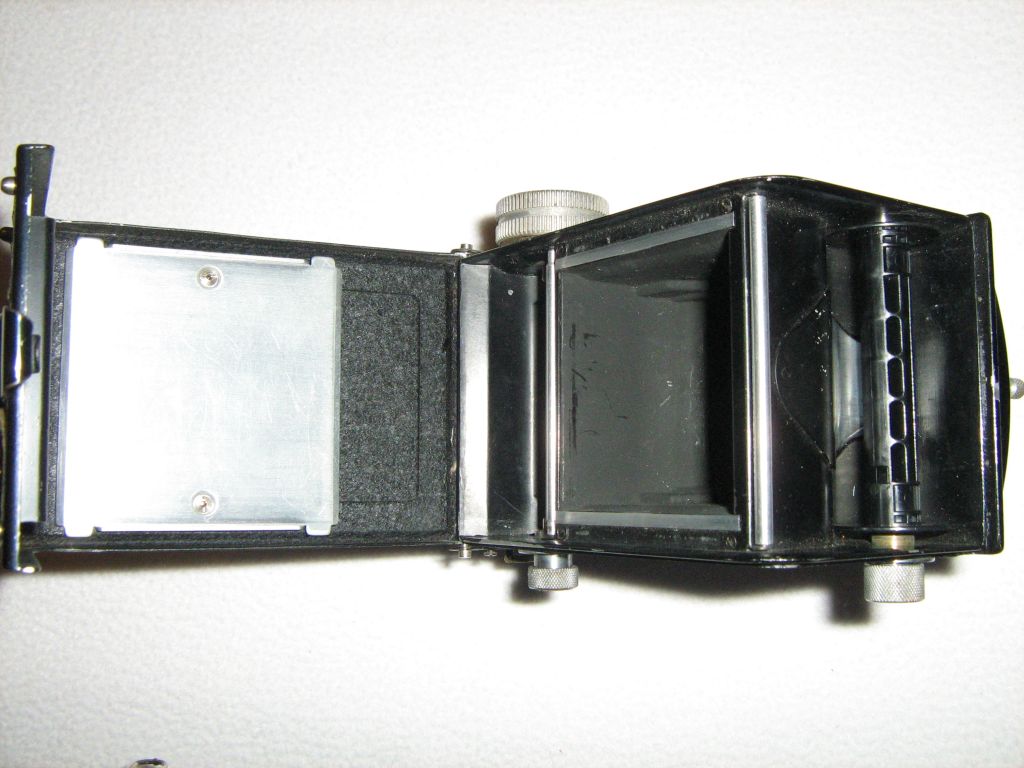
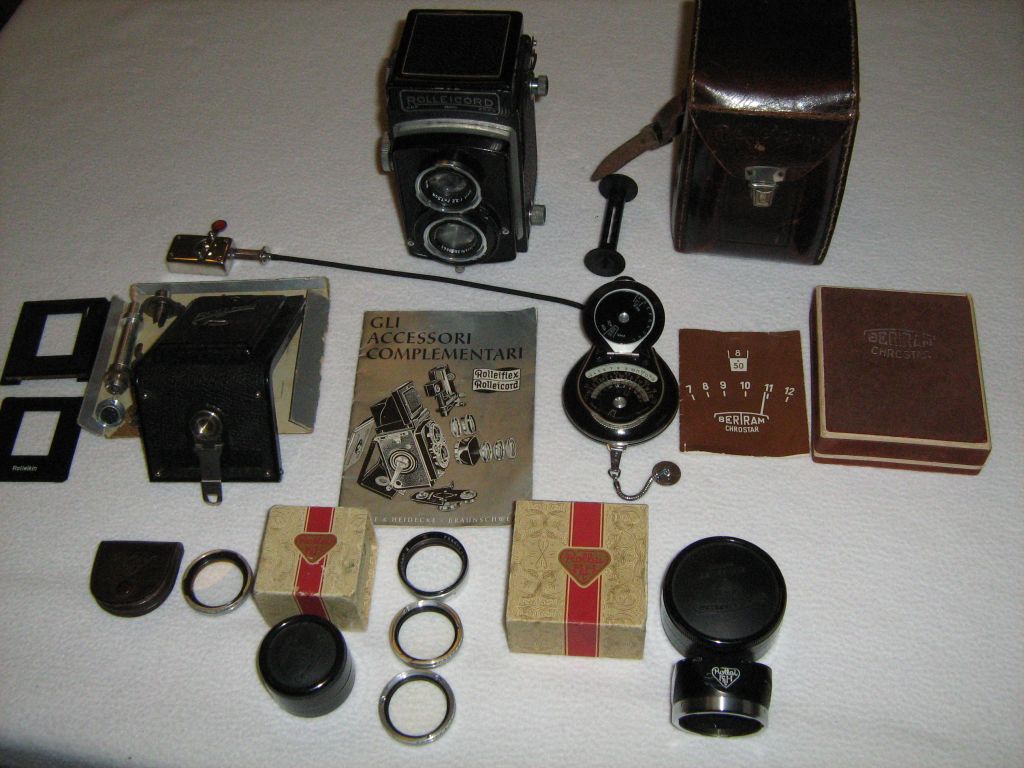
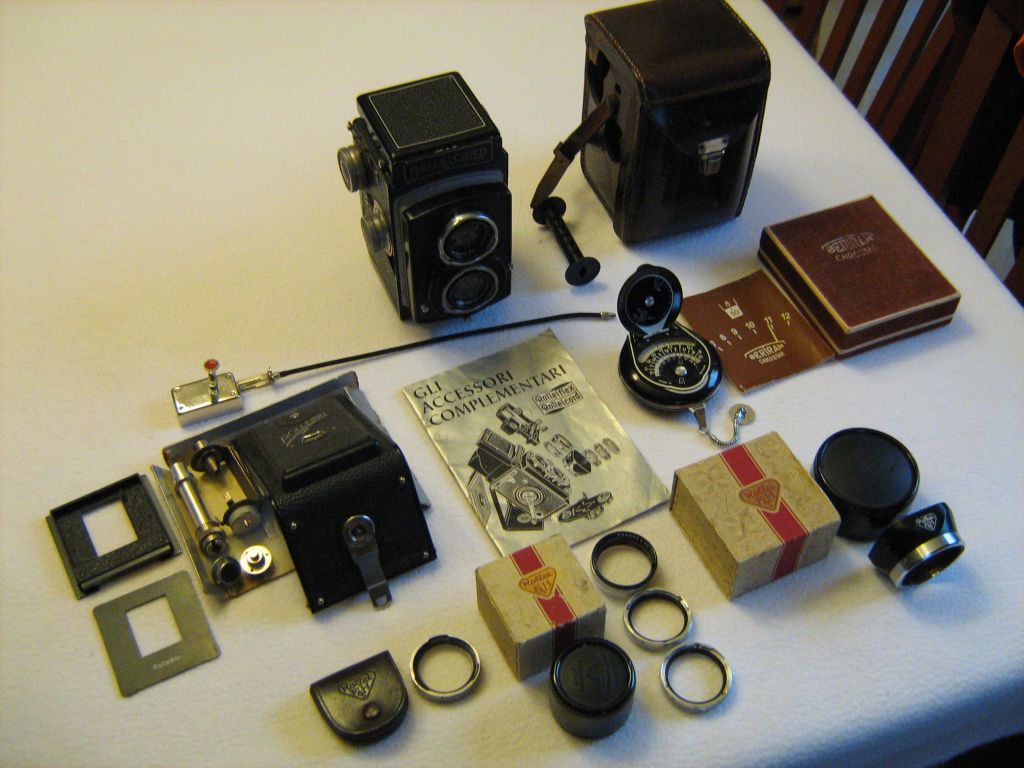
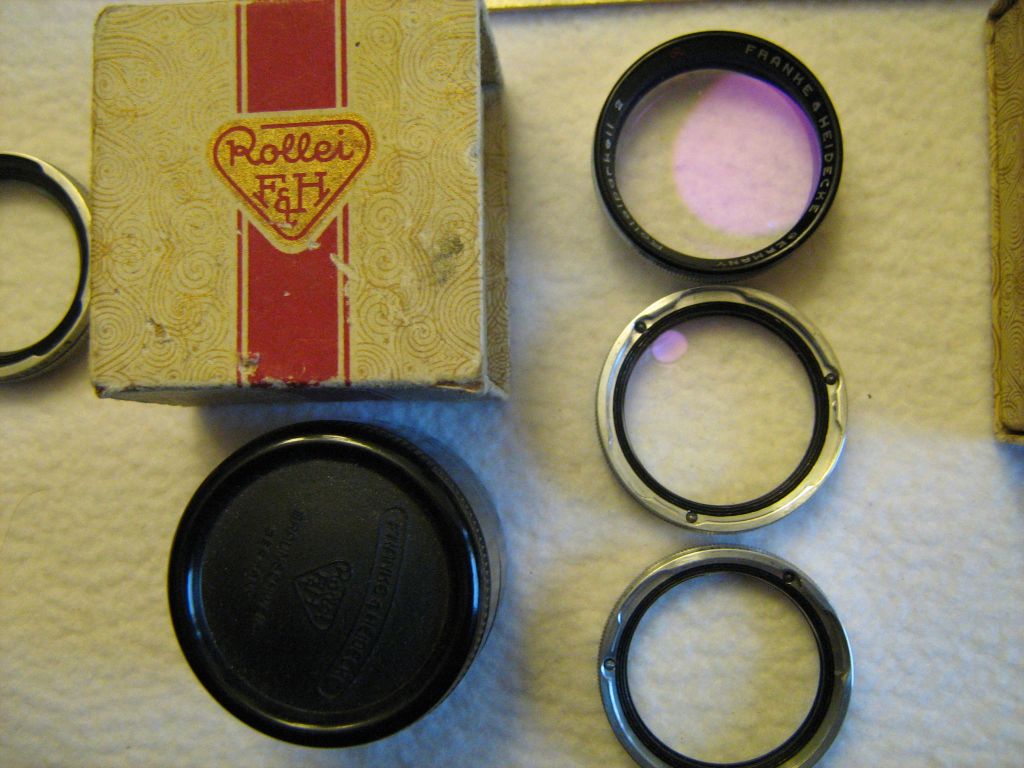
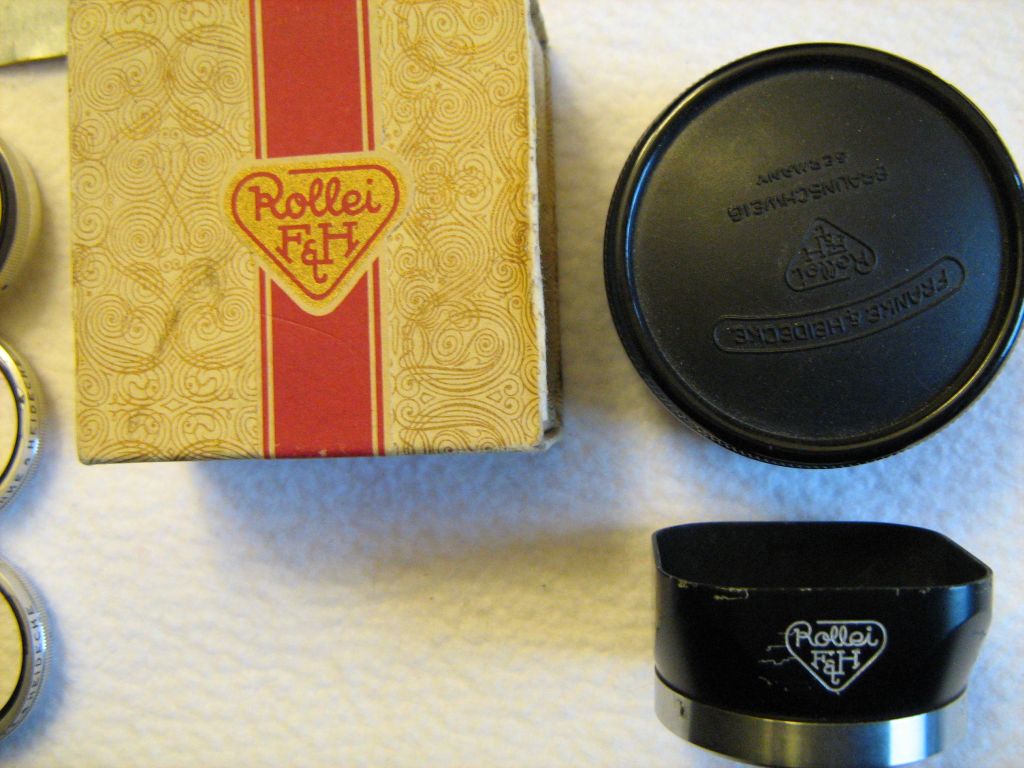
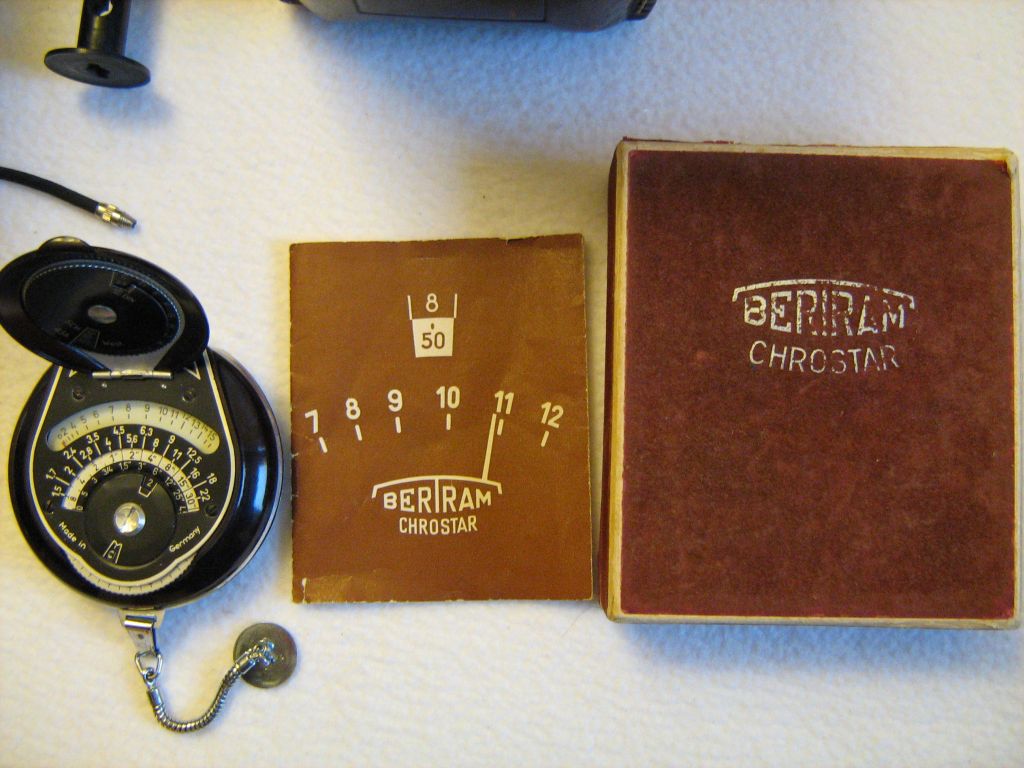
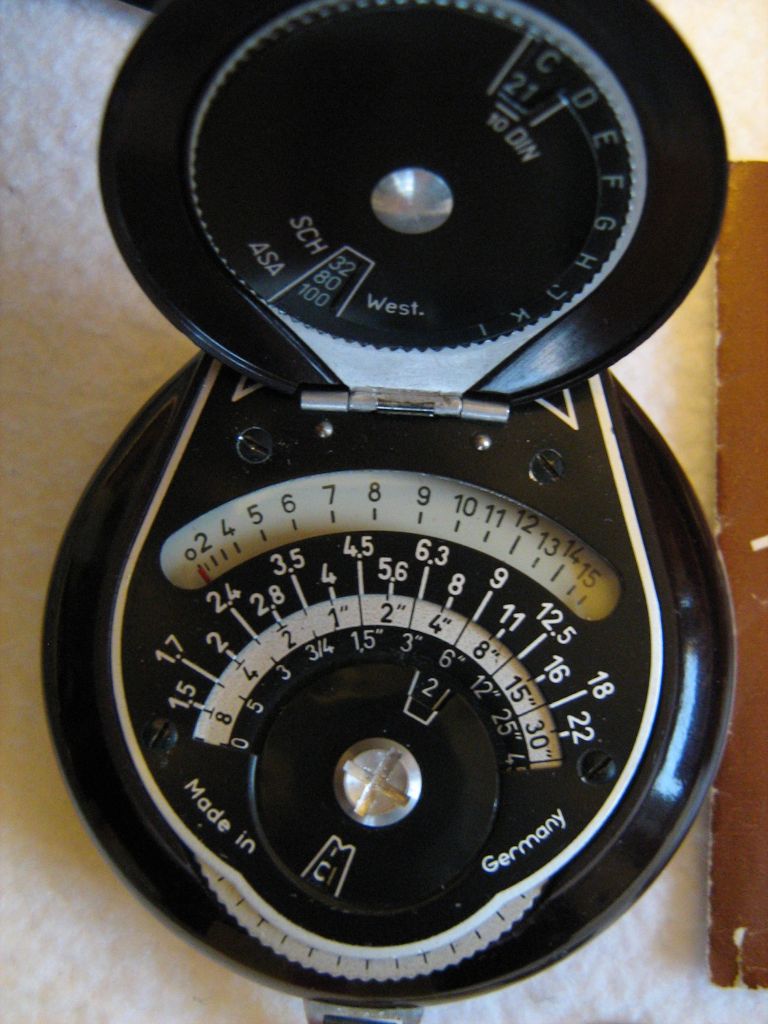
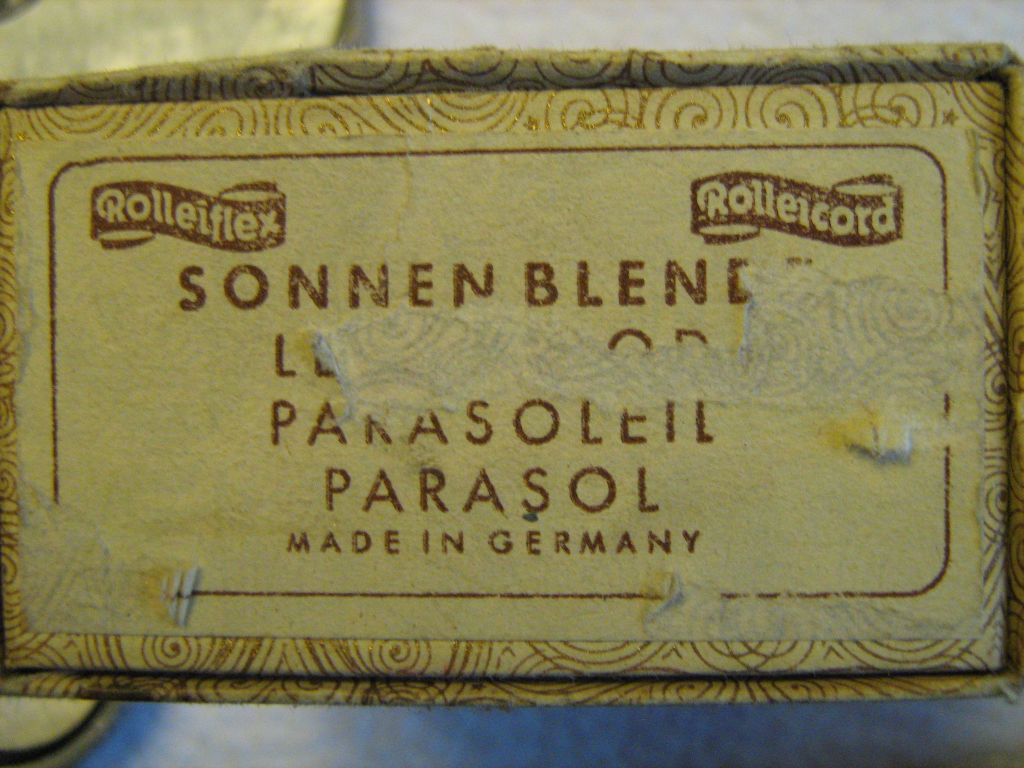
This Rolleicord was purchased by my father in 1939, the year when the Model 4 was released. In September of the same year, World War II began, and he was called up for military service in the Italian Royal Army. My father was first sent to the French border, and in 1940 to Albania. There, my father used the Rolleicord extensively, capturing images of the places and his comrades. Hearing of the impending invasion of Greece, during a brief license in Italy, my father decided to leave his camera at home, a decision that, given subsequent events, proved to be extremely wise. The war quickly turned into a disaster; the Greek campaign was badly conducted, long, hard and bloody. In September 1943, the entire regiment to which my father belonged was captured by the former German allies, forced into freight cars and sent to concentration camps that the Wehrmacht had established in Poland. At this juncture, the Rolleicord would have been confiscated and lost forever. Having survived the war and the concentration camps, after an interminable and arduous journey on foot through Poland, Germany, and Austria, and although reduced to a skeleton, my father finally managed to return to Italy where he was able to embrace his loved ones again and regain possession of his precious camera. My father used the Rolleicord for many years, gradually managing to equip it with many accessories, using it successfully to take numerous colour photos and slides until the early 1980s. |
 |
 |
 |
 |
|
Click on the pictures to enlarge at 1024x768 |
||||
 |
 |
 |
 |
|
 |
 |
 |
 |
|
 |
 |
 |
 |
|
 |
 |
 |
 |
|
 |
 |
 |
 |
|
 |
 |
 |
 |
|
 |
 |
 |
 |
|
 |
 |
 |
 |
|
 |
 |
 |
