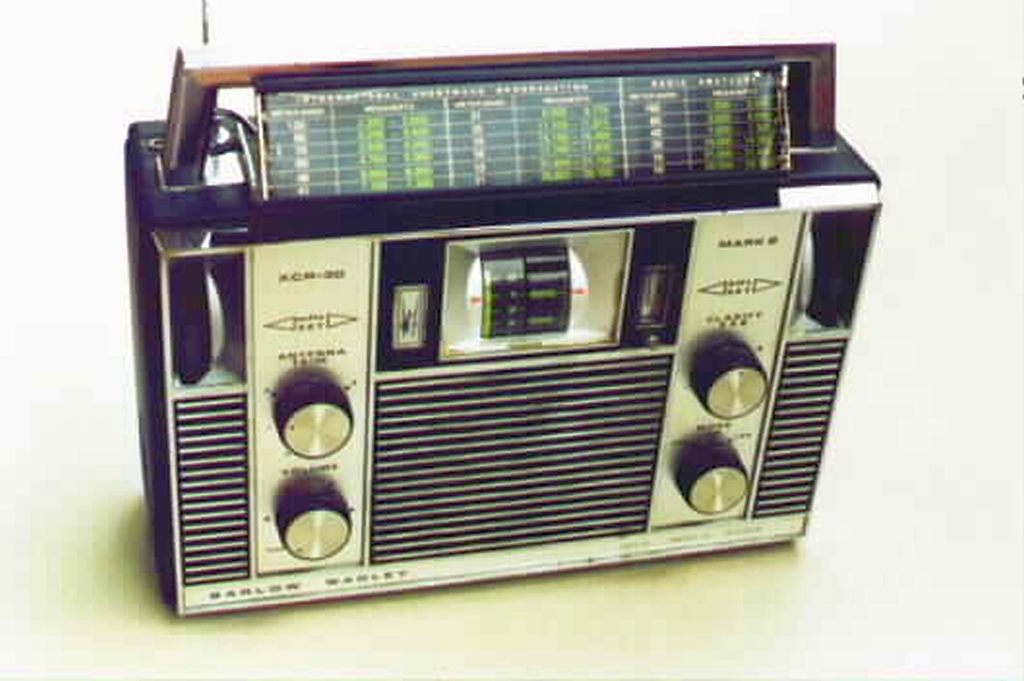
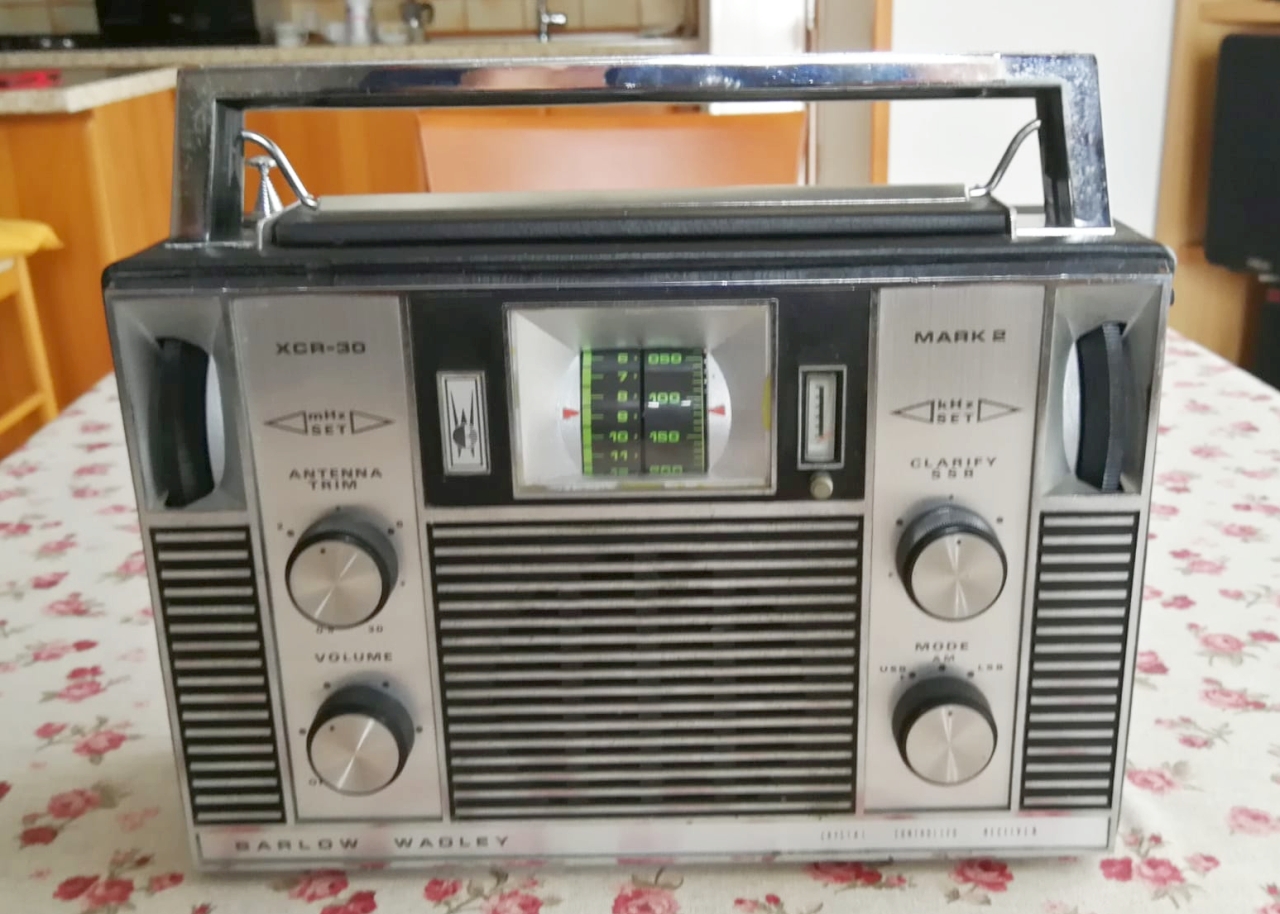
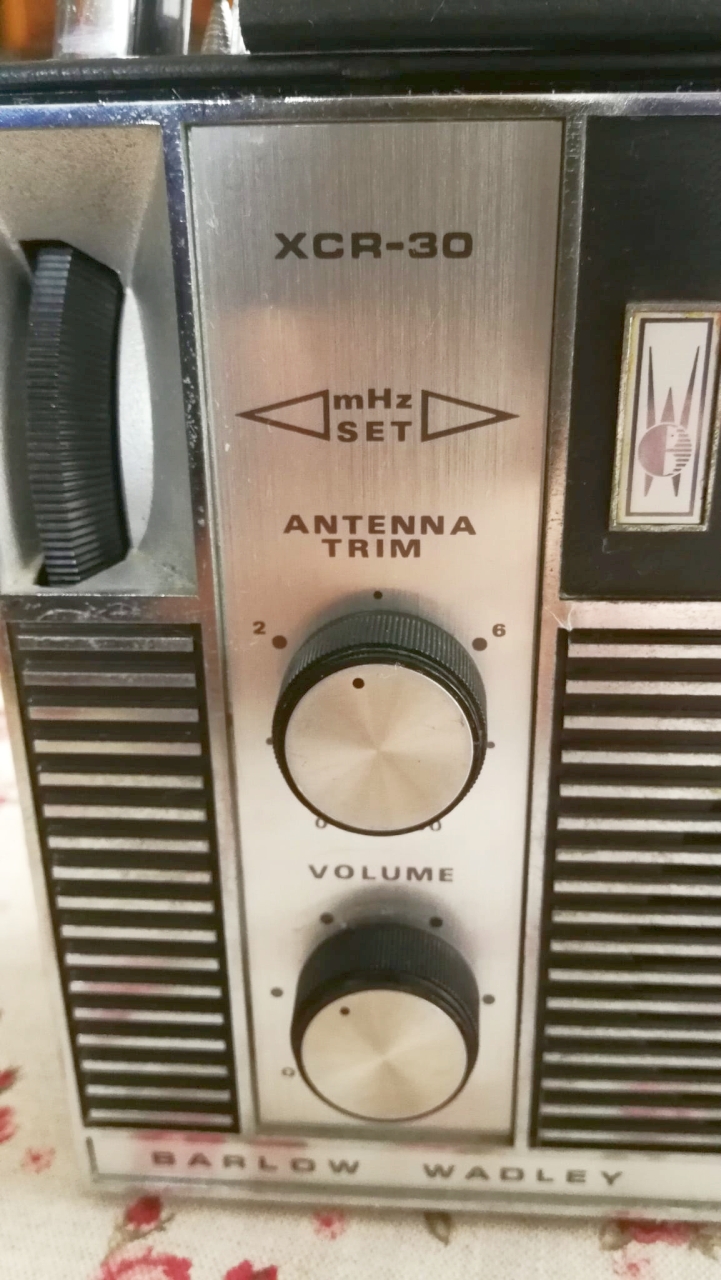
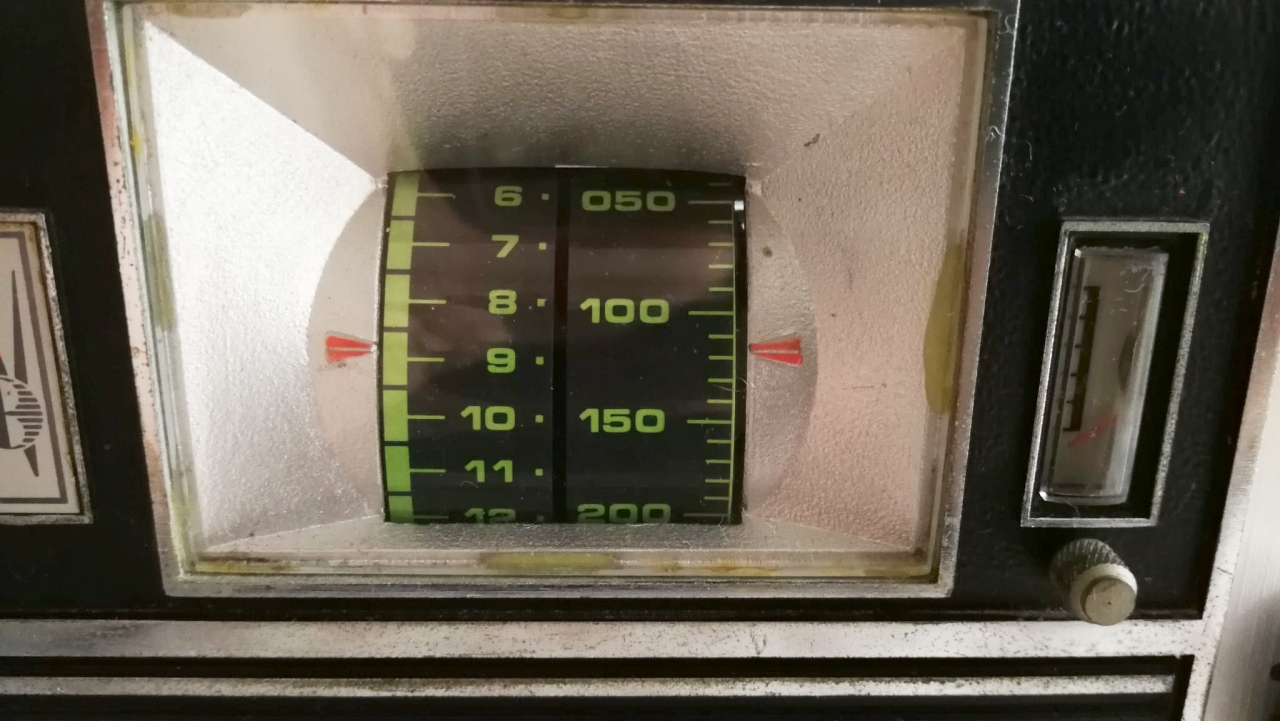
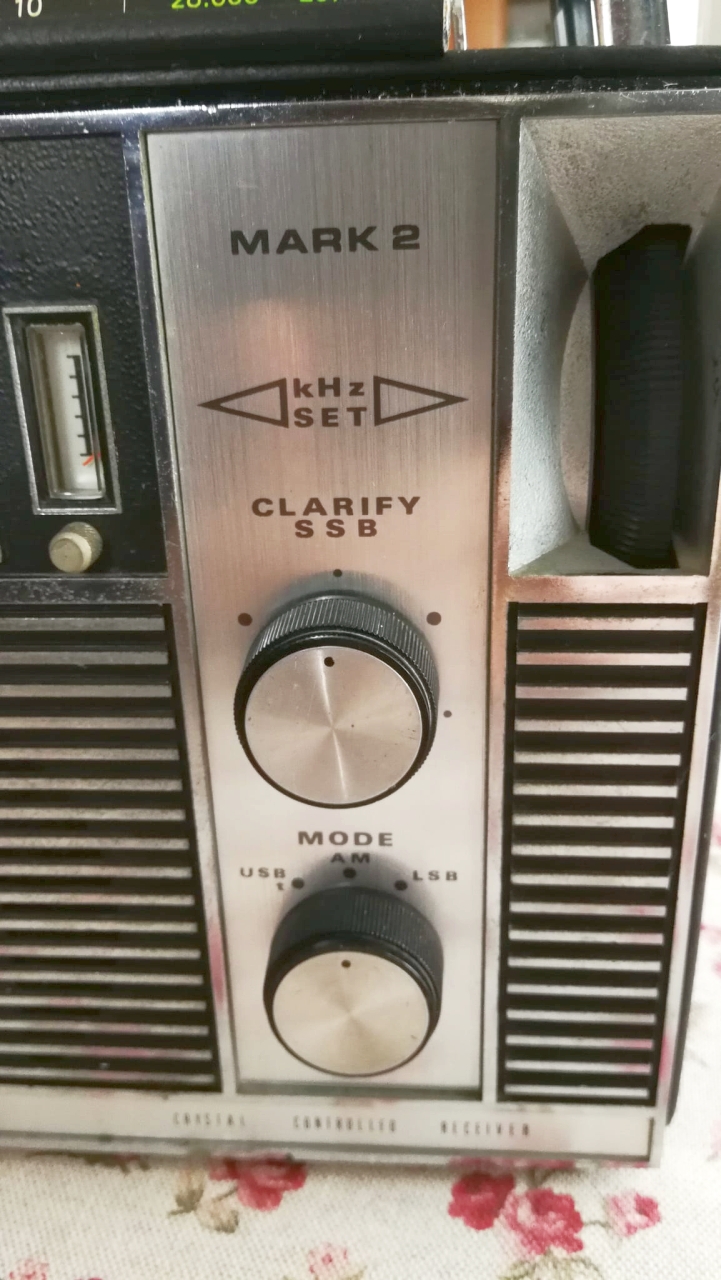
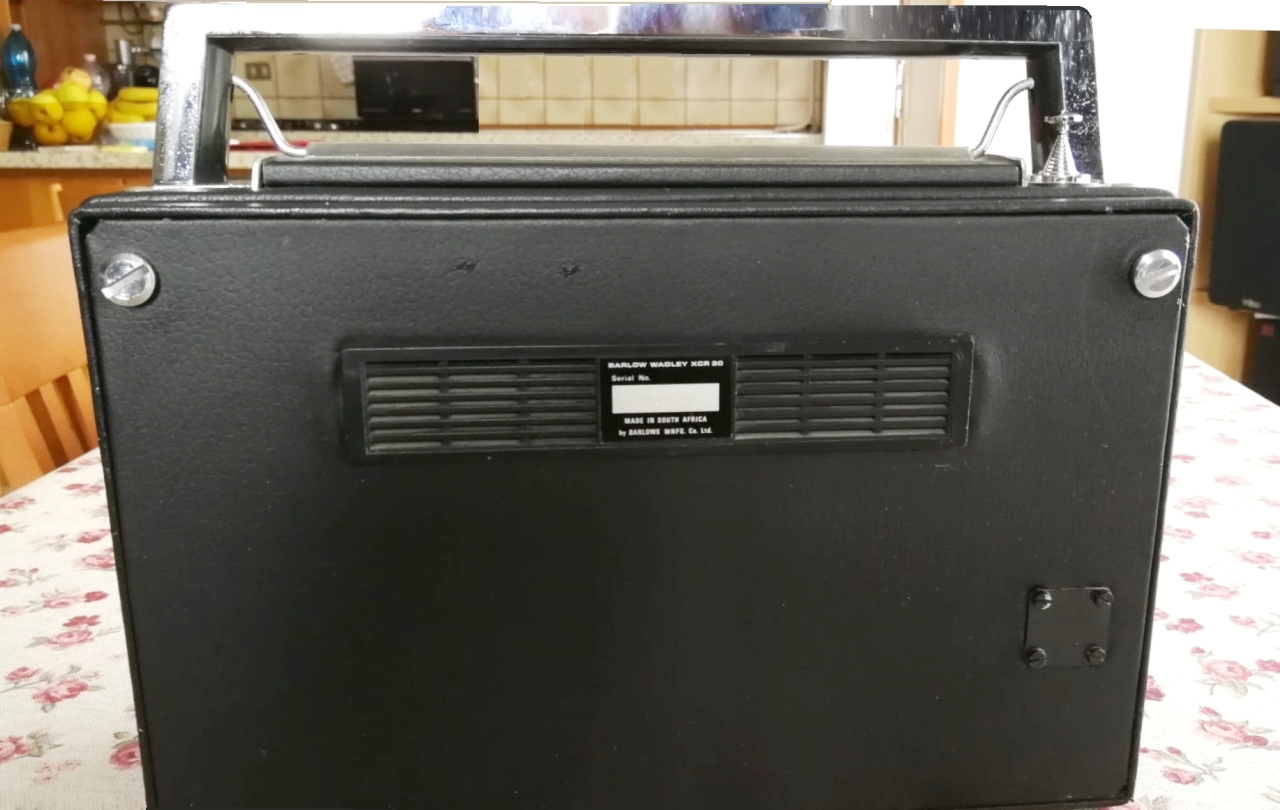
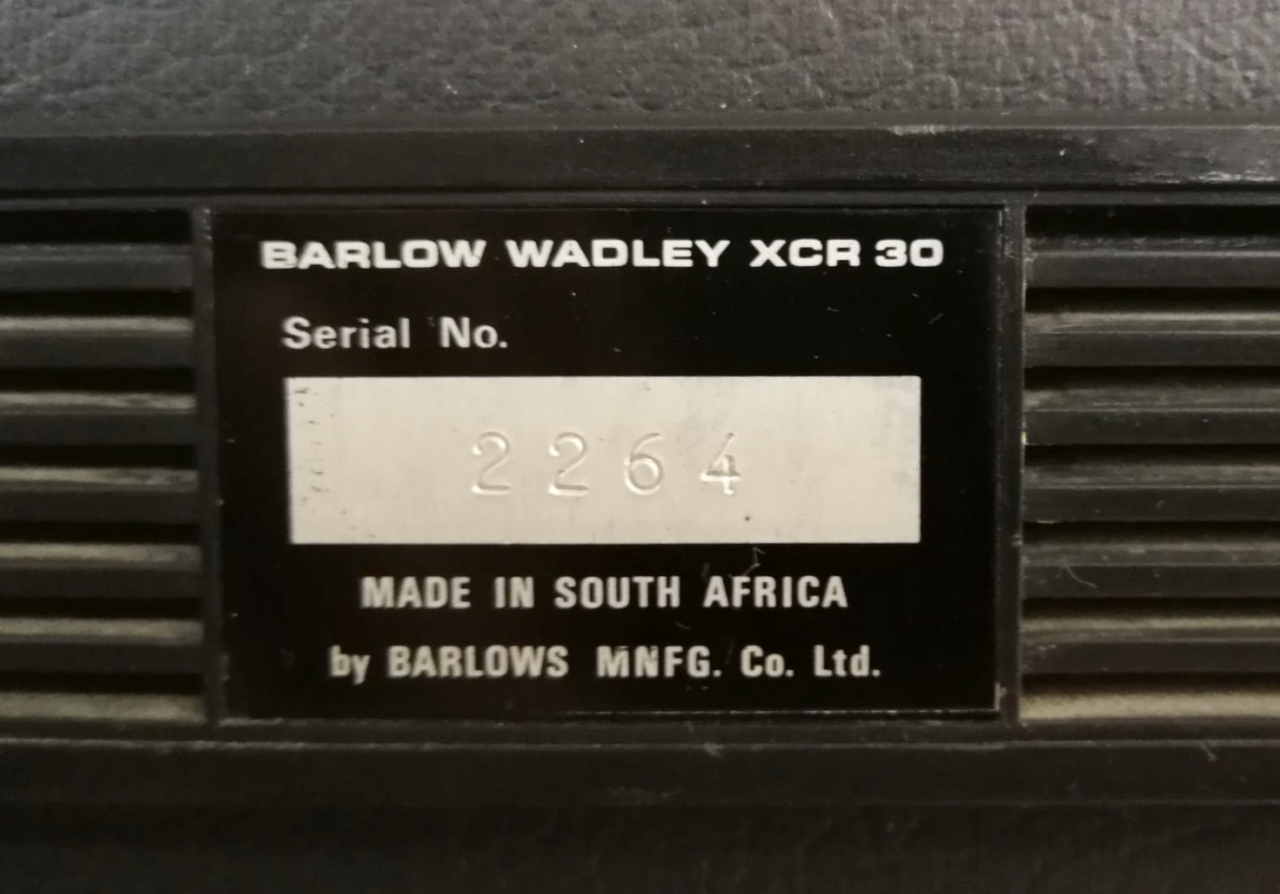
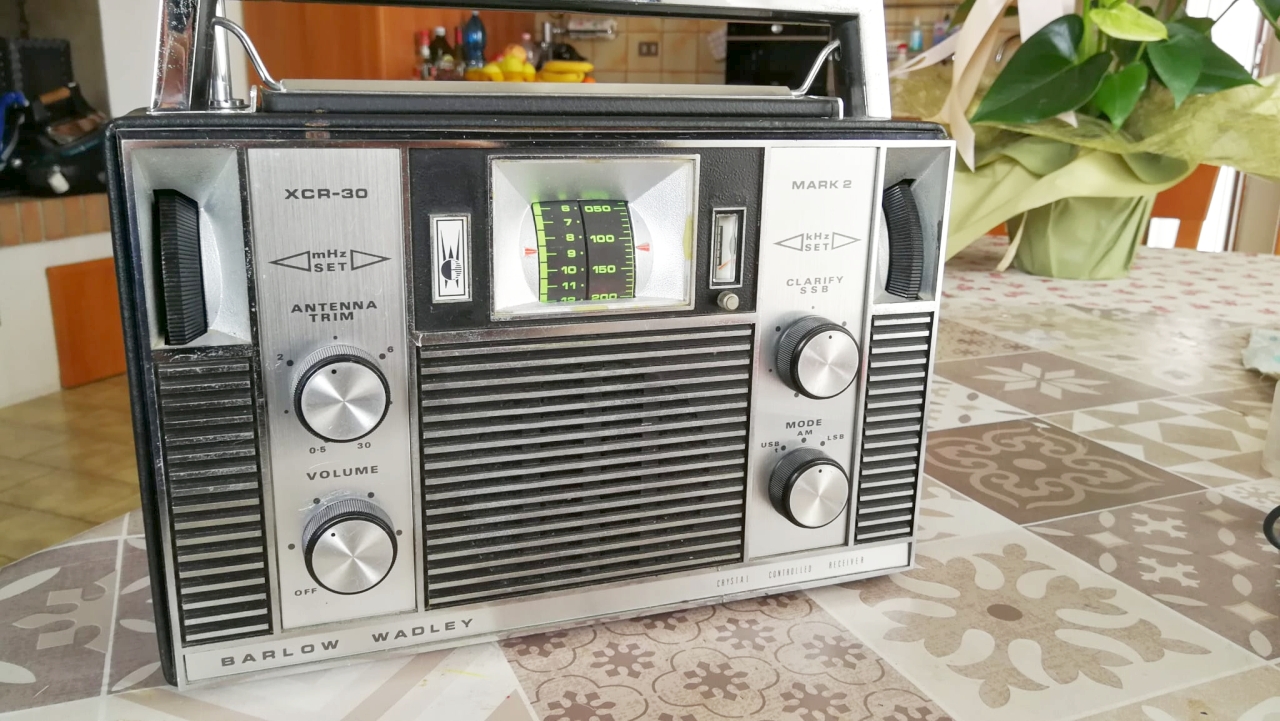
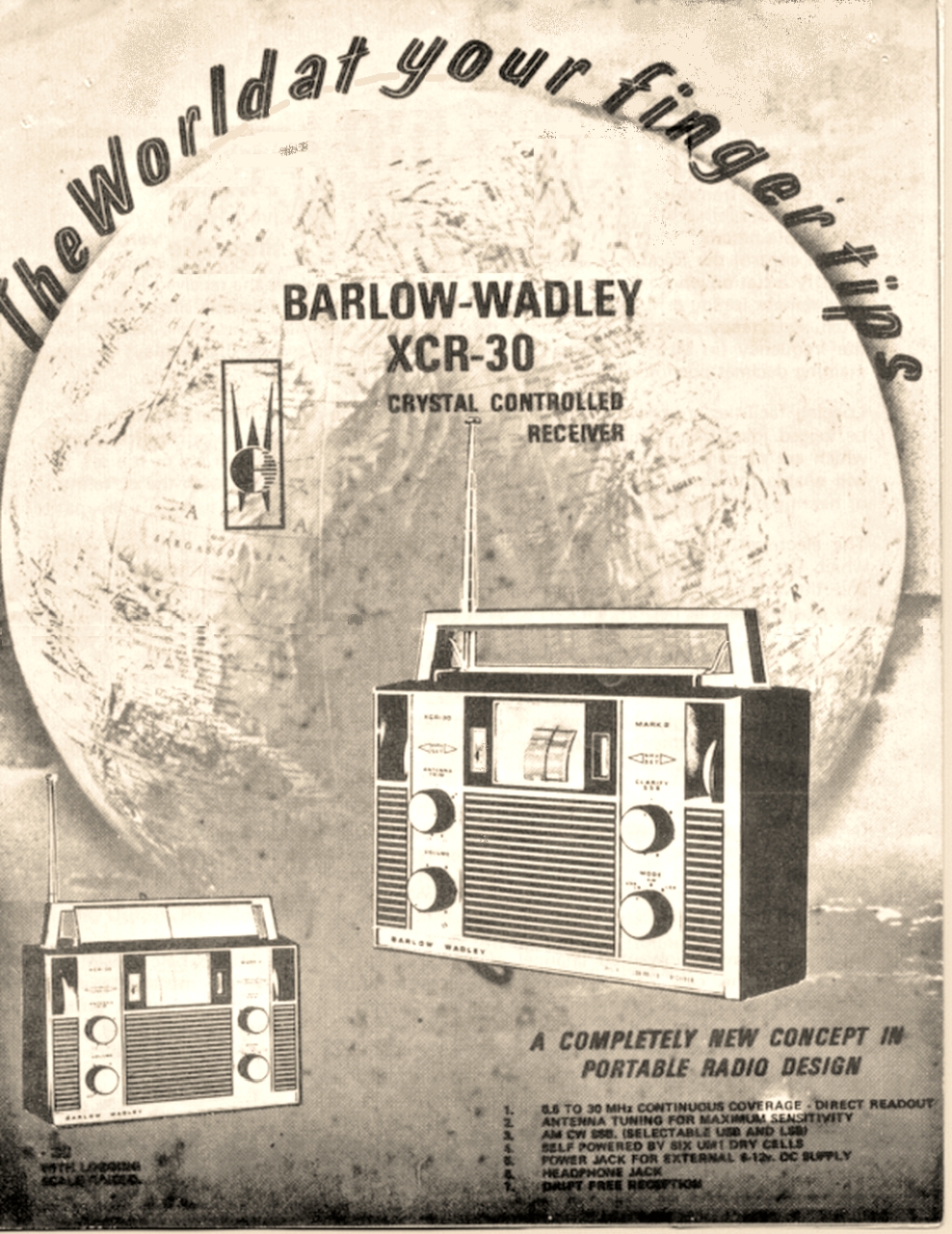
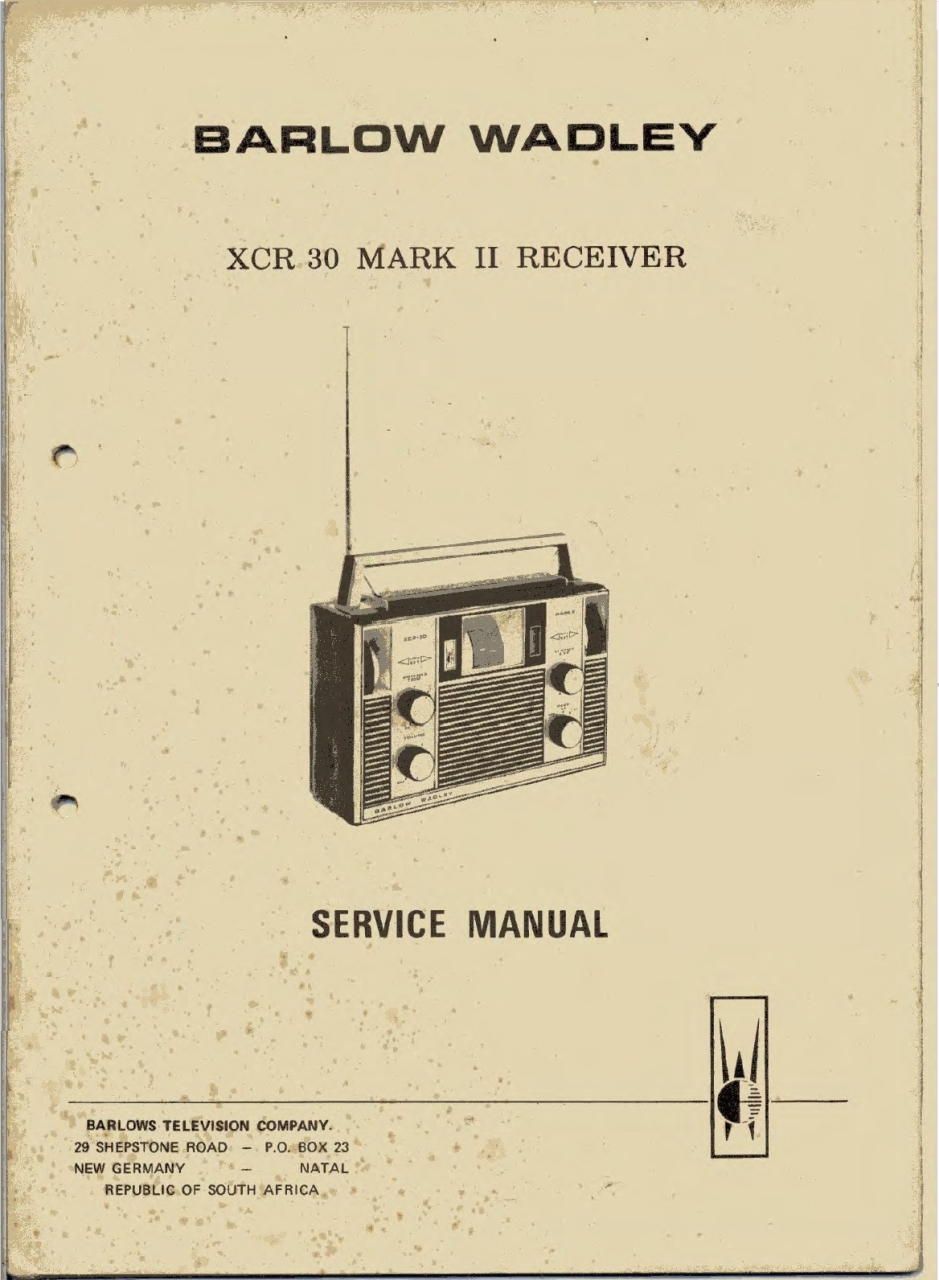
Barlow Wadley mod. XCR-30
Mk2 - BARLOWS MNFG. Co. Ltd. South Africa ZA
(Republic of South Africa) - 1973.
Barlow Wadley mod. XCR-30
Mk2 - BARLOWS MNFG. Co. Ltd. South Africa ZA
(Republic of South Africa) - 1973.
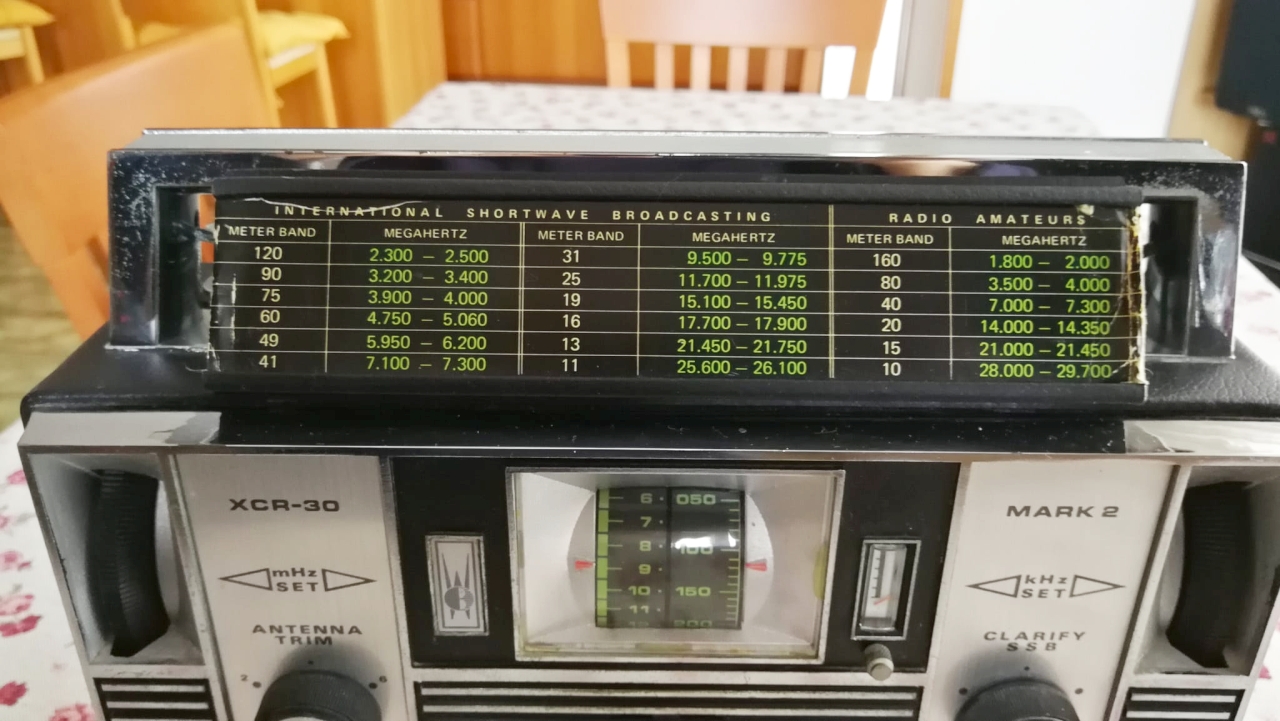
The XCR-30 is a portable, high-sensitivity,
continuous coverage receiver in the HF range. It
is designed to provide excellent sensitivity and
precise frequency tuning across the entire
frequency spectrum from 500 kHz to 30 MHz, with
high stability for both AM (amplitude modulation),
CW (telegraphy), and SSB (single sideband)
transmissions.
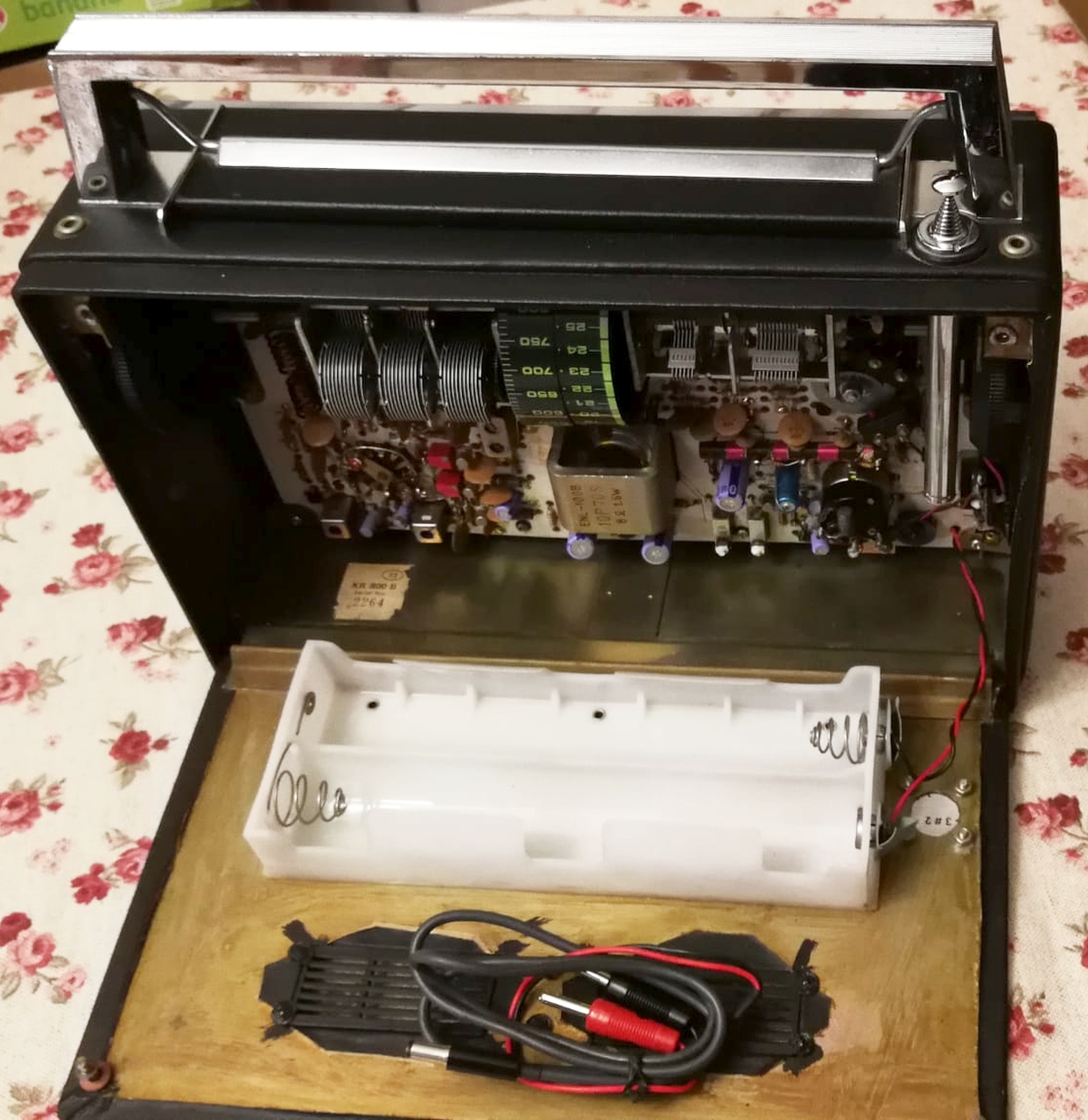
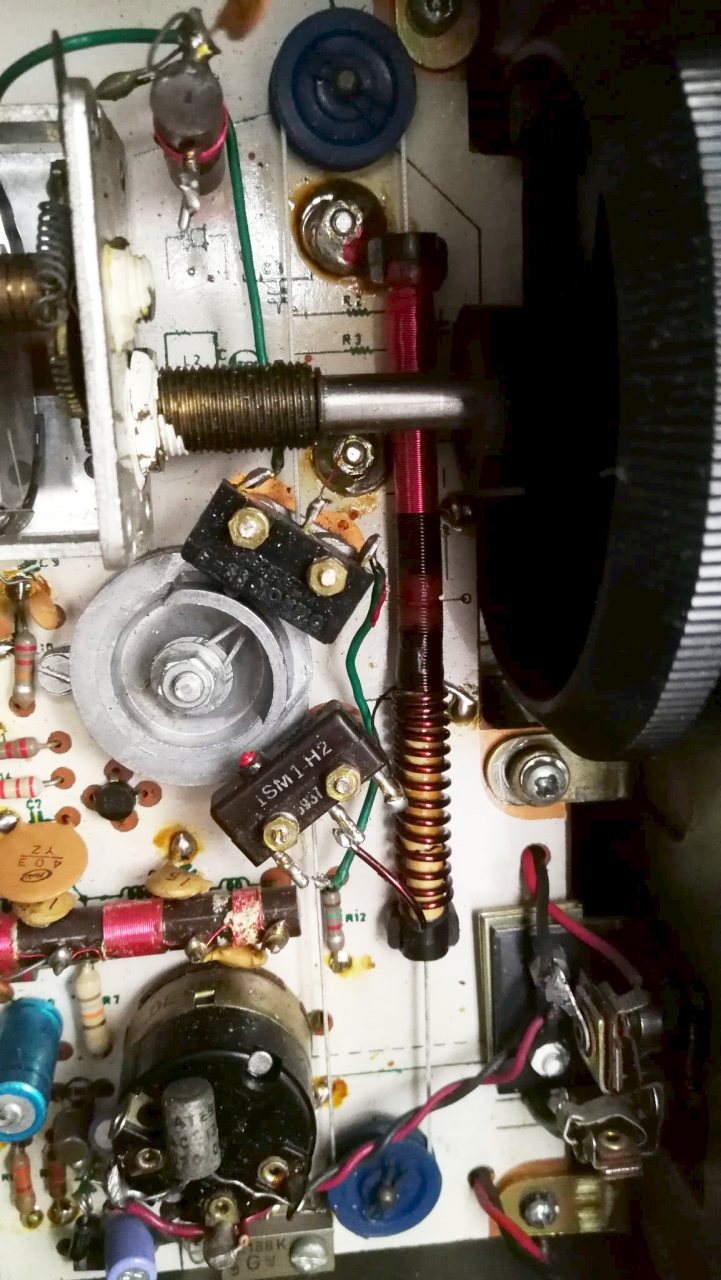
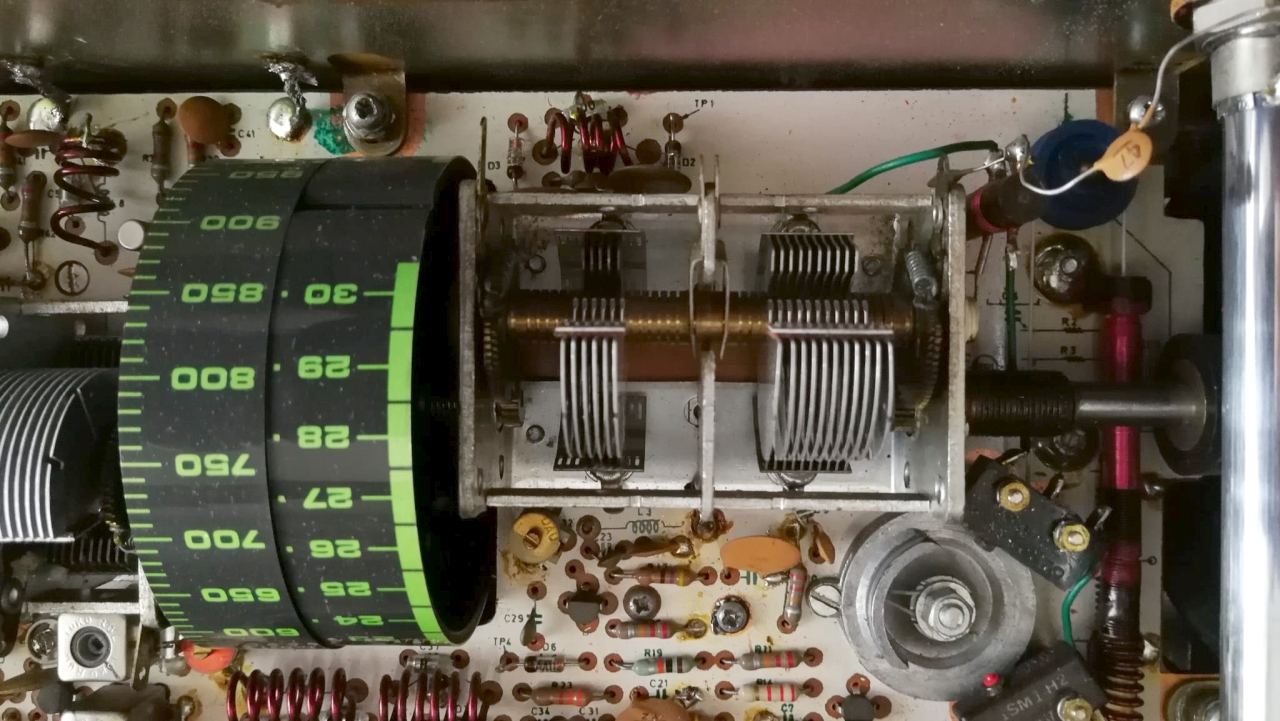
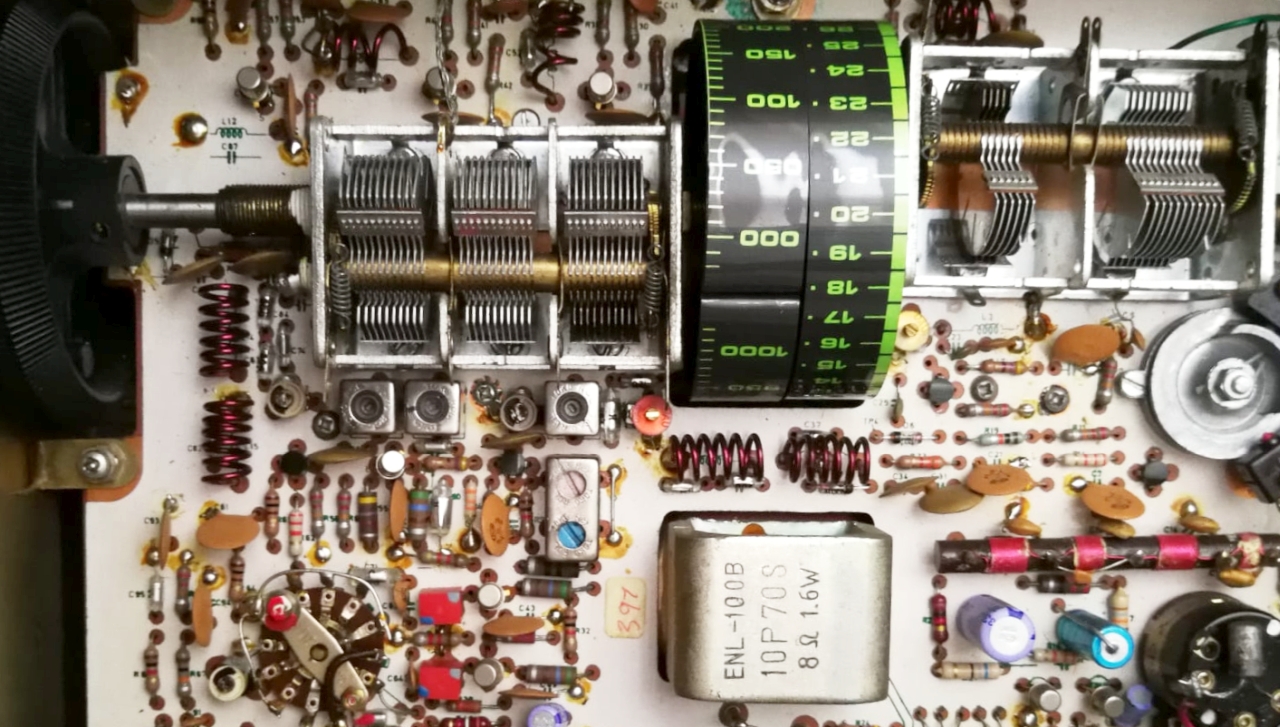
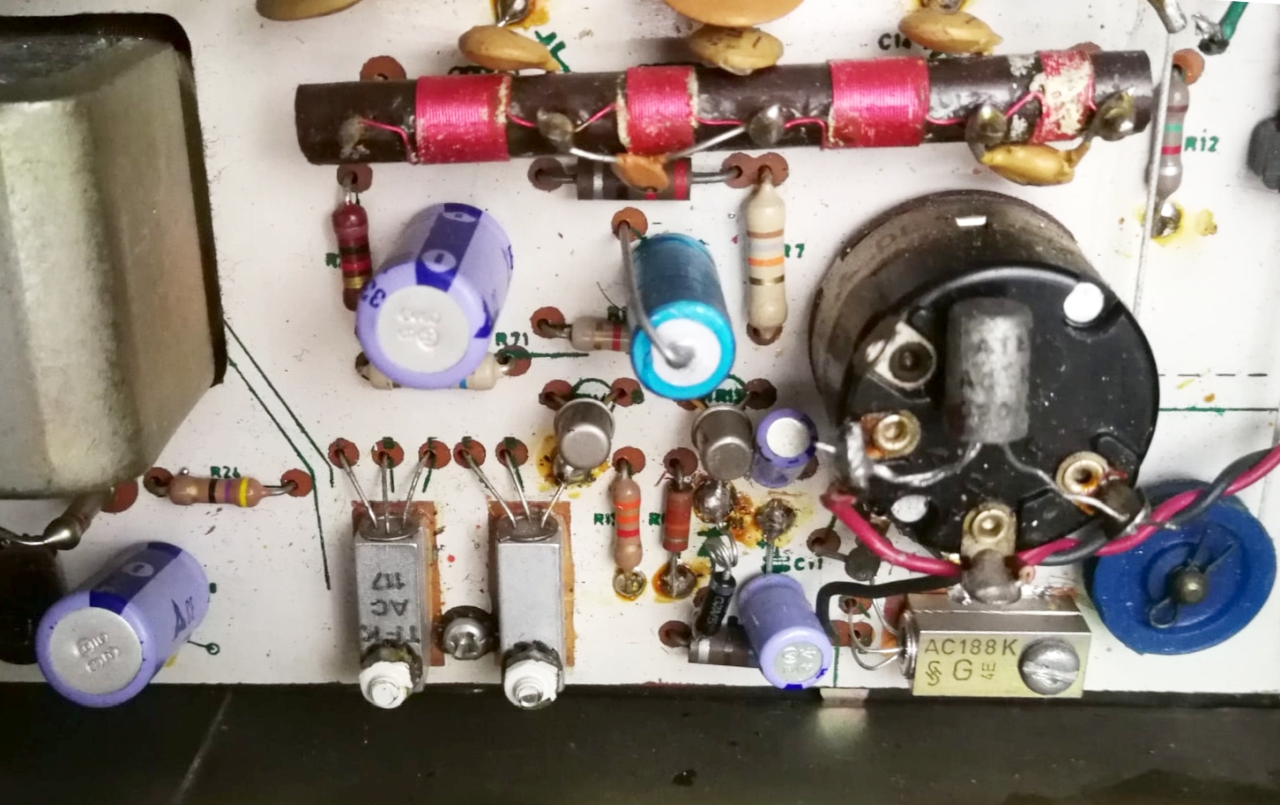
The receiver has a spartan, rather homely
appearance, but inside it contains a
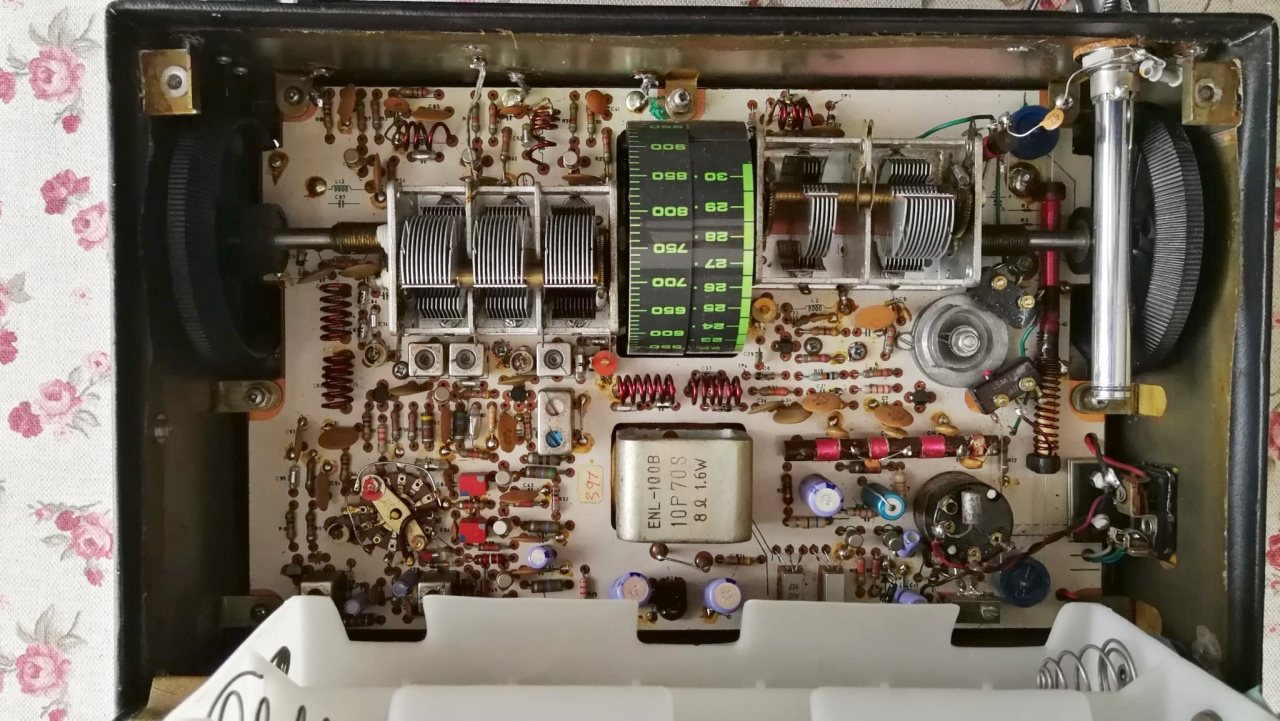
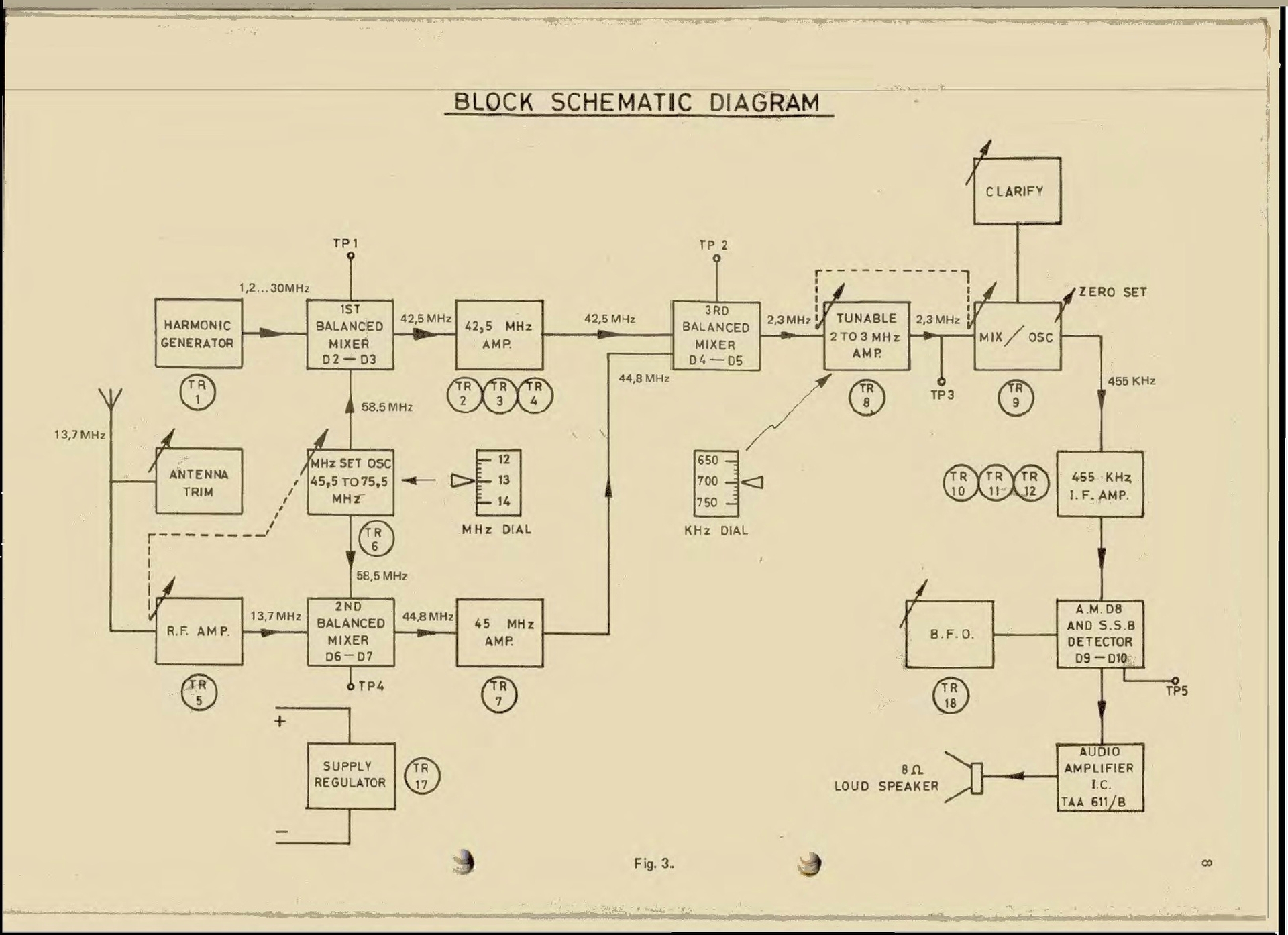
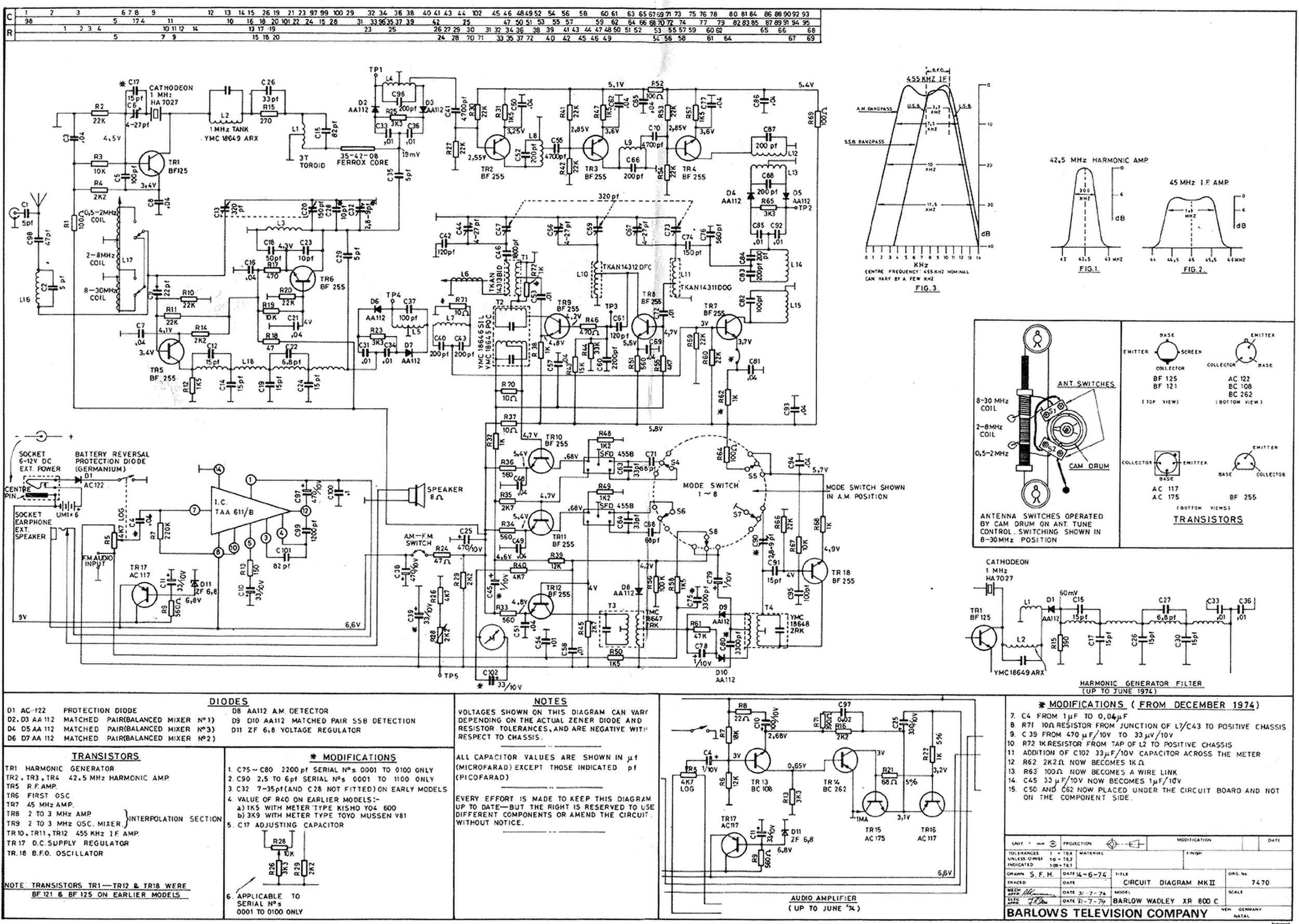
triple-conversion superheterodyne circuit and is
stabilized by a quartz oscillator to eliminate
tuning drift over long periods of operation and
to provide a stable single sideband tone. The
receiver uses the synthesized heterodyne
oscillator known as the "Wadley Loop System."
Trevor Lloyd Wadley (1920-1981) was a South
African electronics engineer, known for
inventing and patenting the Wadley Loop circuit
in 1948, which was used in radio receivers to
facilitate tuning without switching coils or
crystals. The first radio receiver to use the
Wadley Loop was the British Racal RA-17 in 1957,
while the Barlow XCR-30 was built in South
Africa in the late 1960s. The Wadley loop
circuit was also used in other receivers such as
the Drake SSR1 and the more popular and famous
Yaesu FRG7.
The XCR-30 was produced in South Africa starting
in 1969, and the MK2 model was released in 1973.
The Barlow Wadley was a portable radio designed
to allow South African settlers, living on
plantations and in the most remote locations of
the country, to listen to radio broadcasts not
only from South Africa's major cities but also
from around the world.
The receiver was cutting-edge for its time, but
due to the apartheid regime in force at the time
in the Republic of South Africa, the XCR-30 did
not have a large diffusion abroad, South African
trade and products were boycotted and it was
also difficult for South African factories to
obtain the components necessary for production.
Barlow, however, managed to produce
approximately twenty thousand units of this
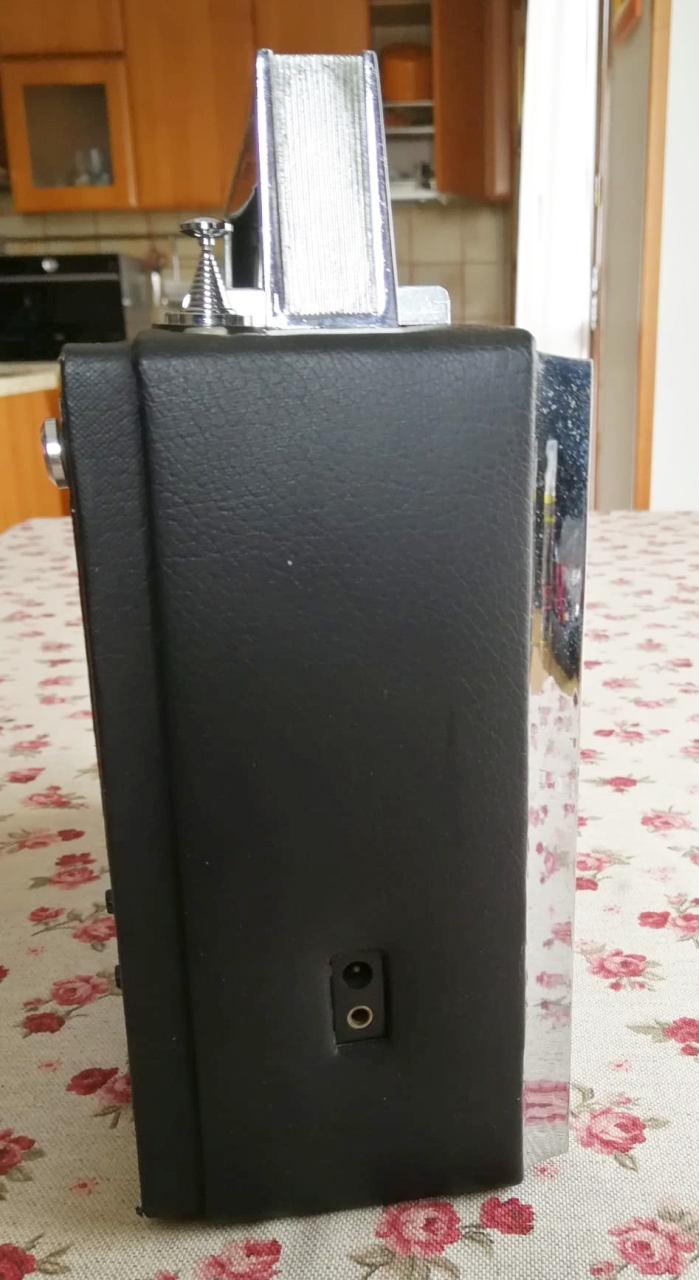
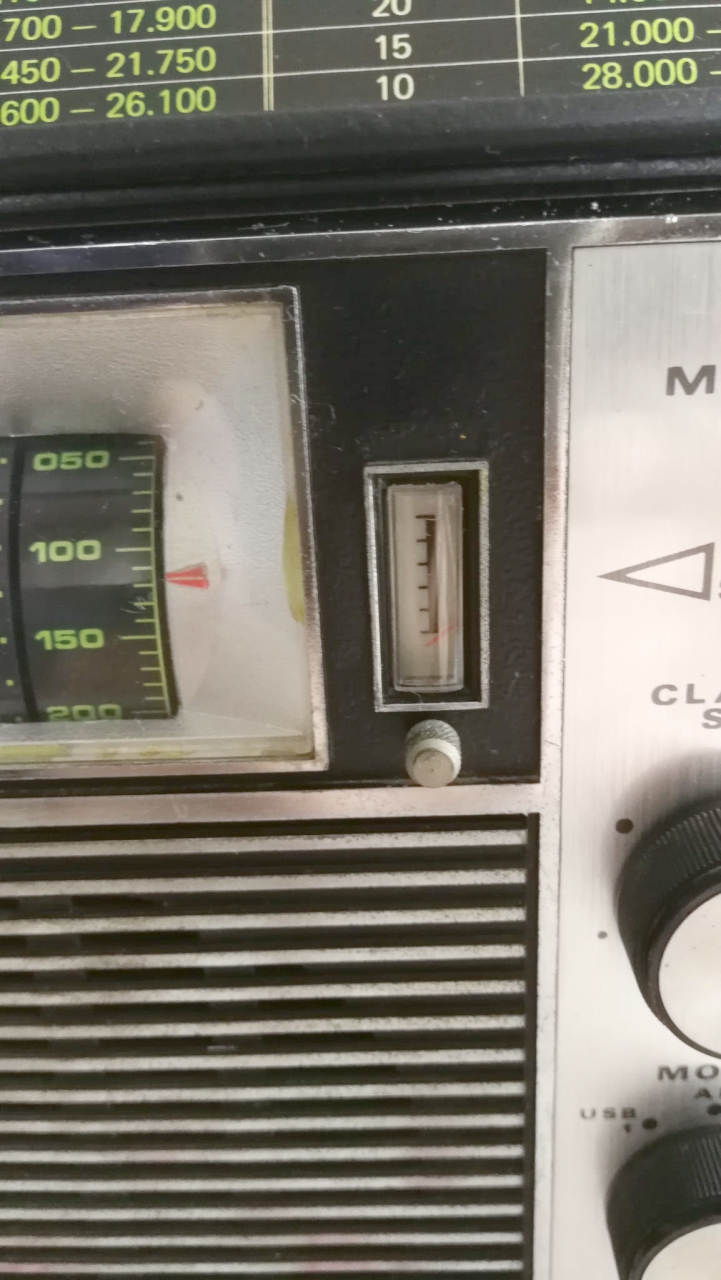
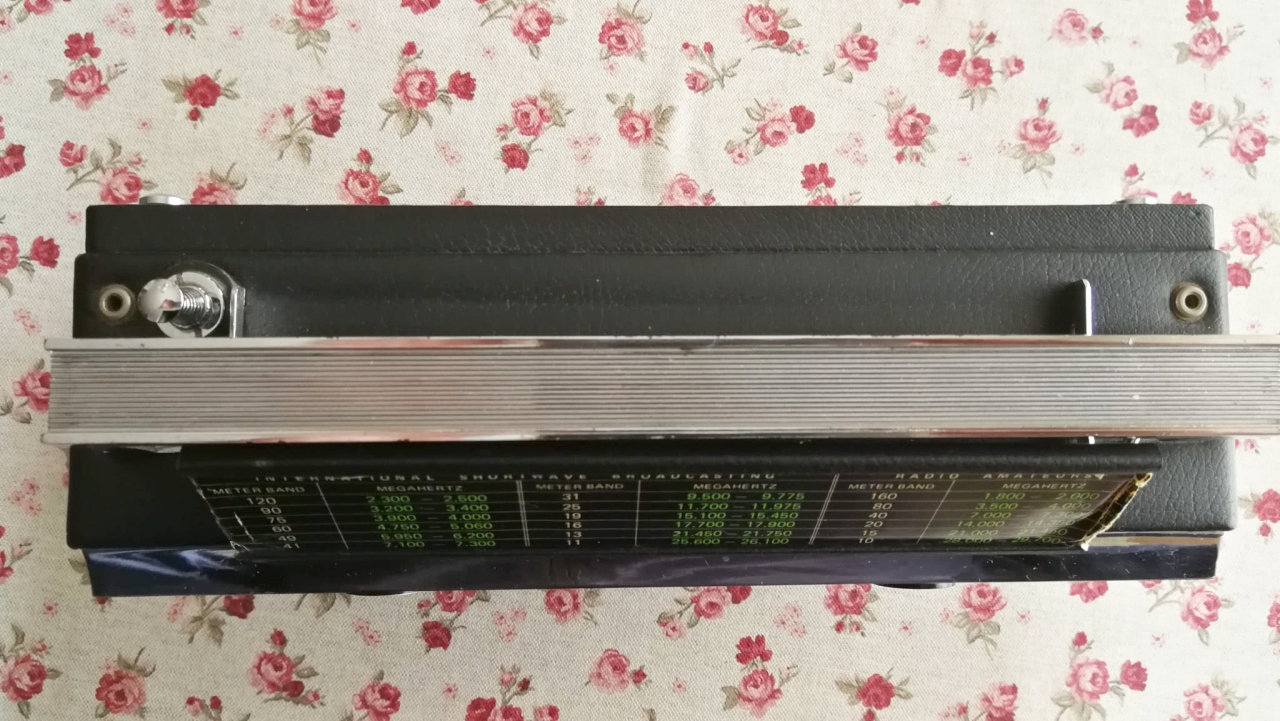
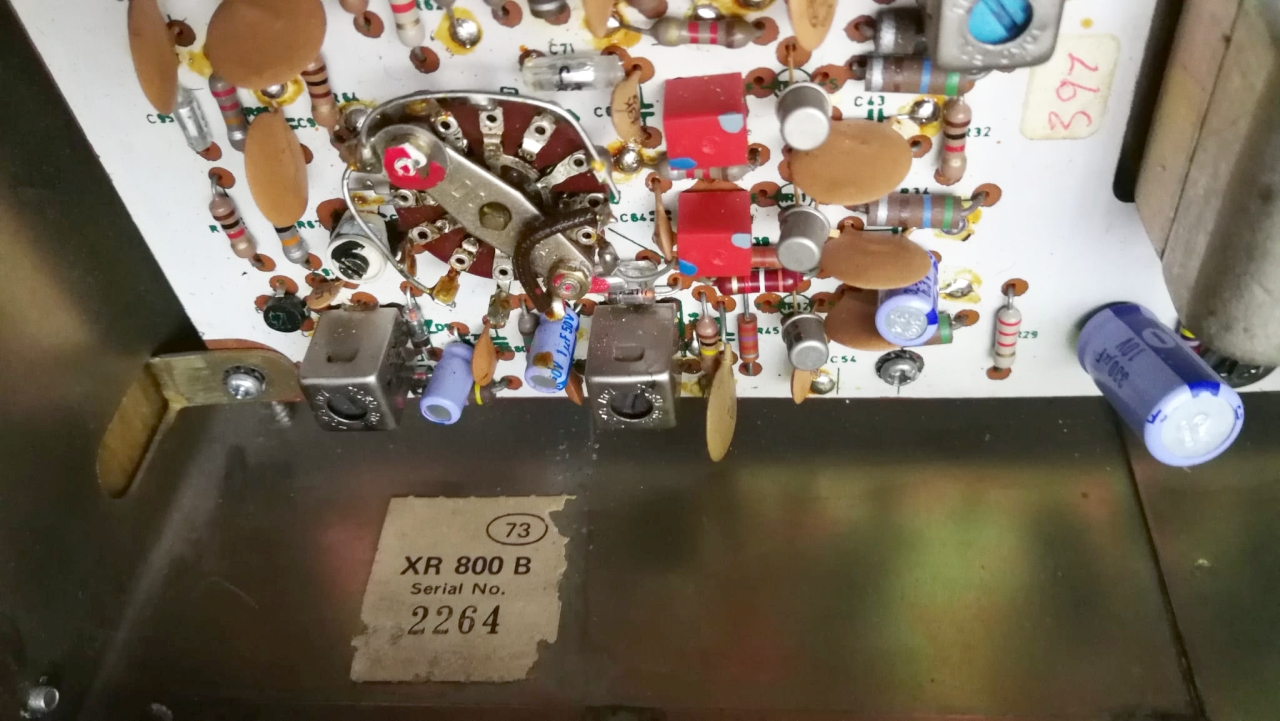
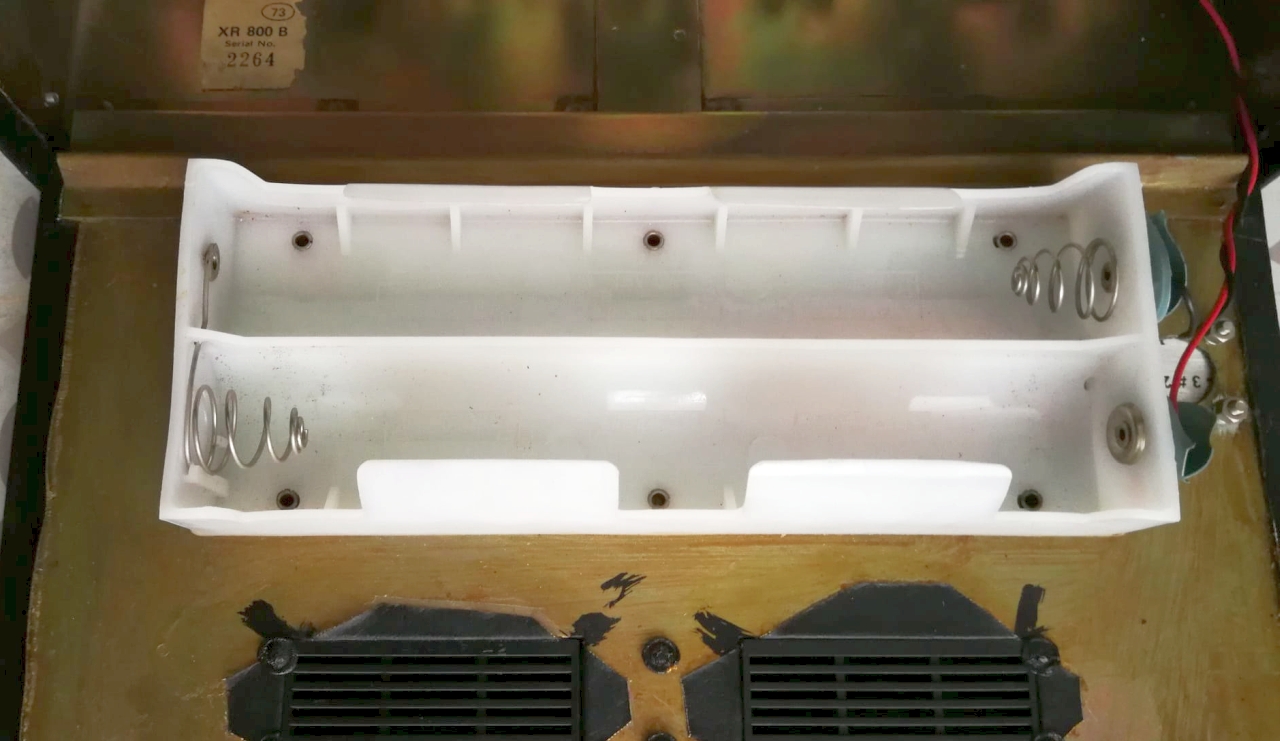
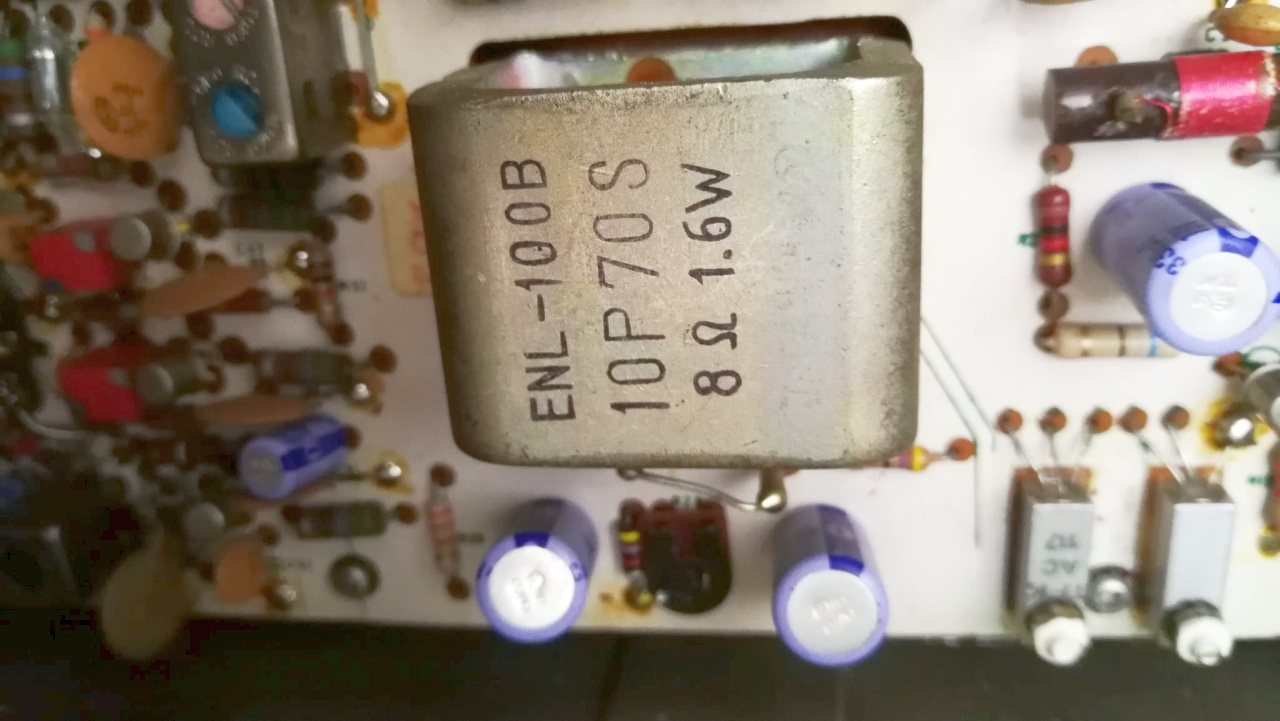
receiver. The Mk2 model shown in the photos was
built in 1973 and has serial number 2264.
(continued below) |