
|
Yaesu FRG-7 Japan - 1976 |

|
|
|
|
 English
Technical documentation
English
Technical documentation |
 |
Italiano
 Documentazione tecnica |
|
 Click sulle immagini per ingrandire
 Click on the images to enlarge
|
|||
 |
 |
 |
 |
|
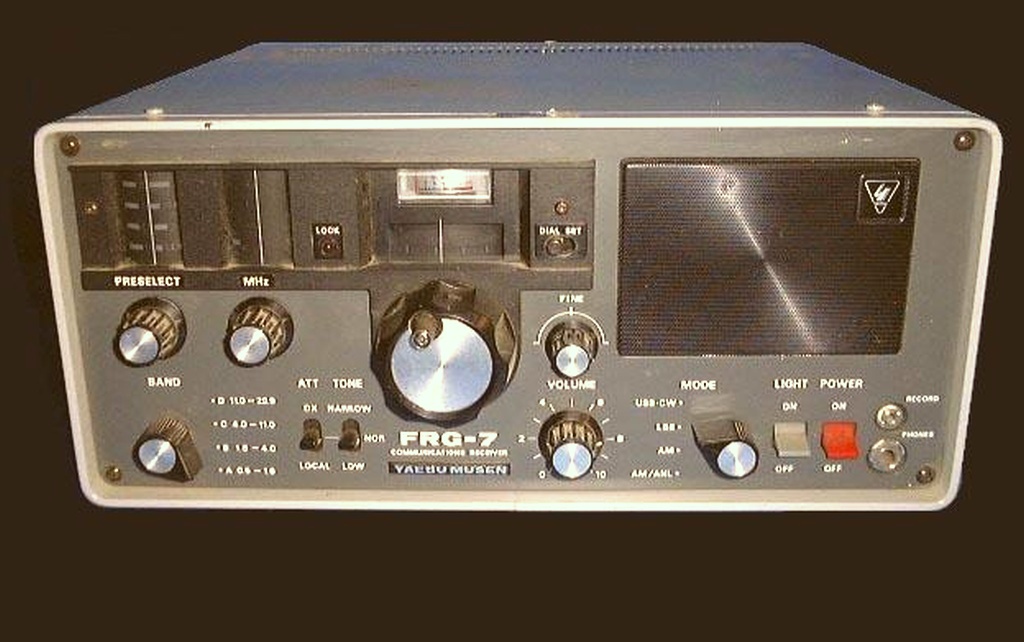
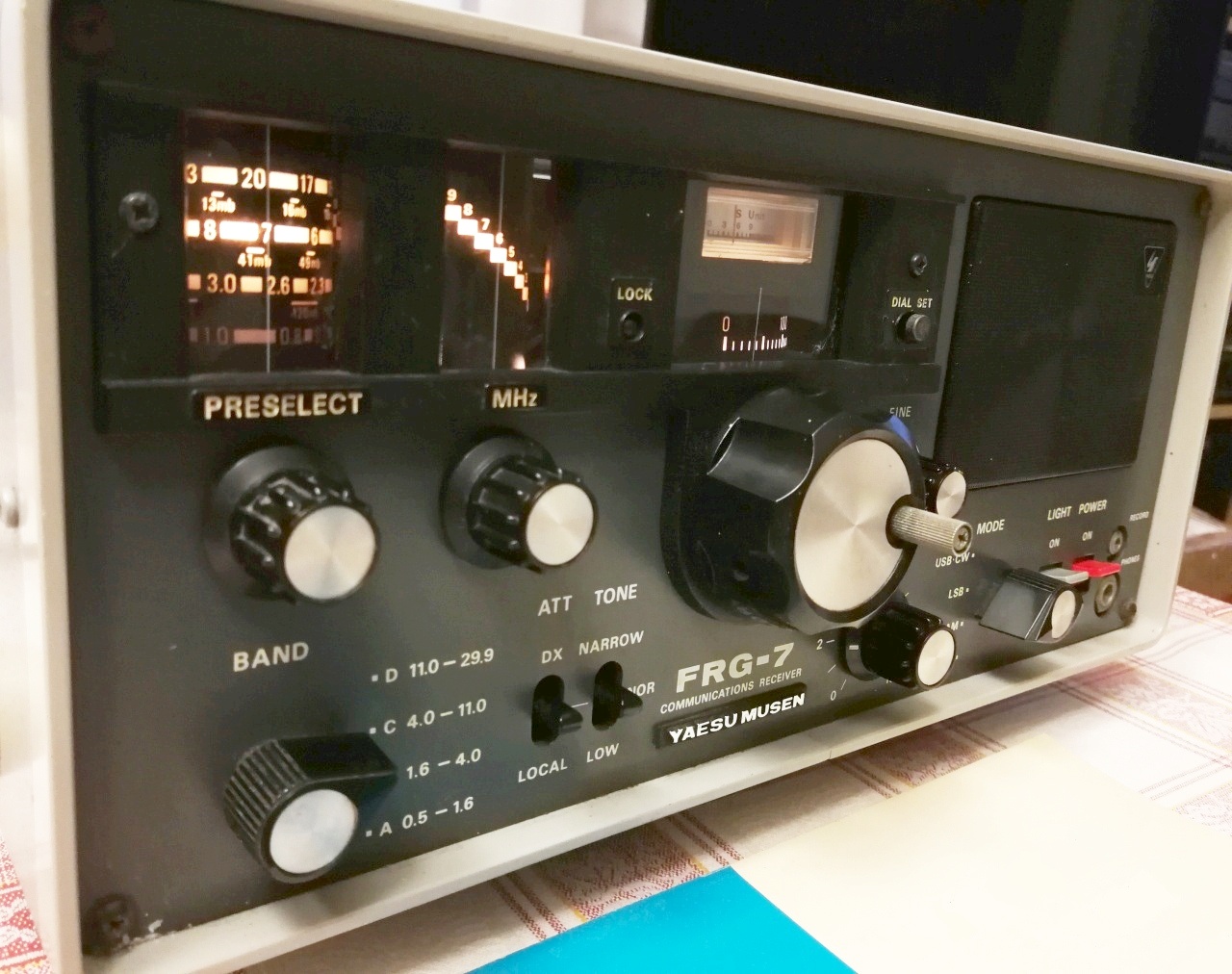
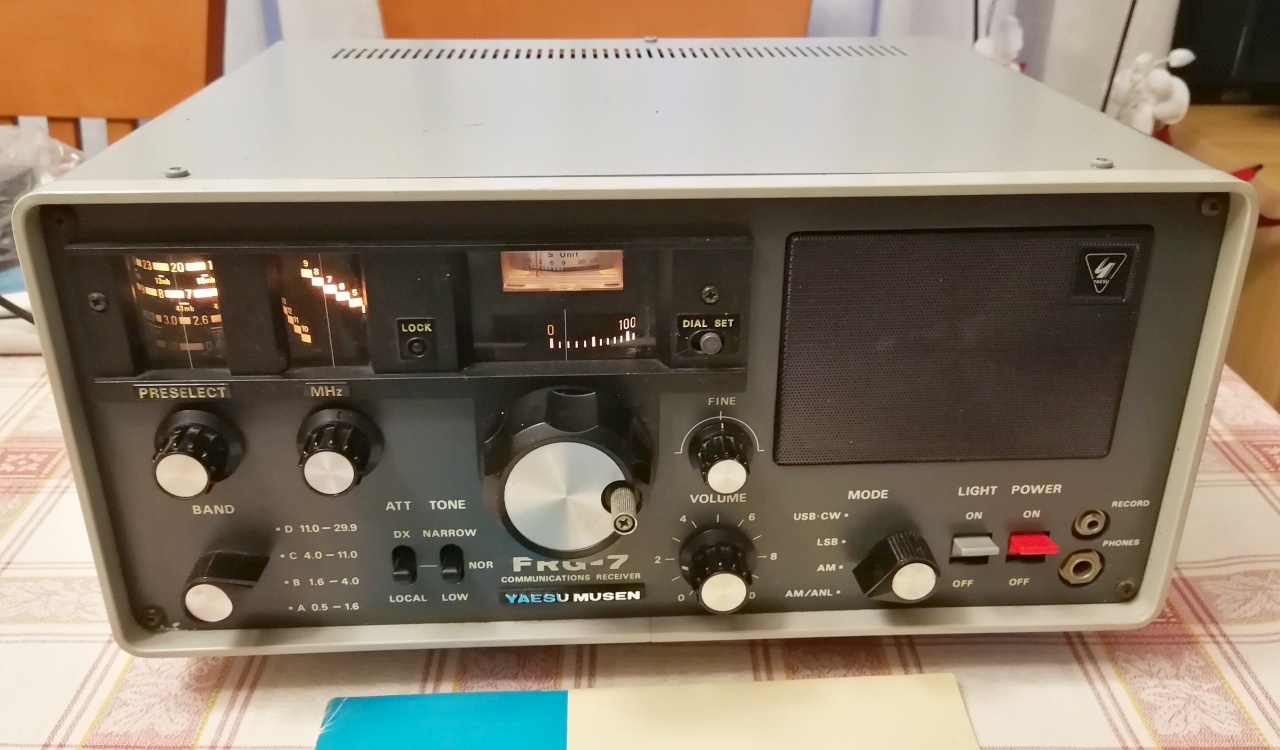
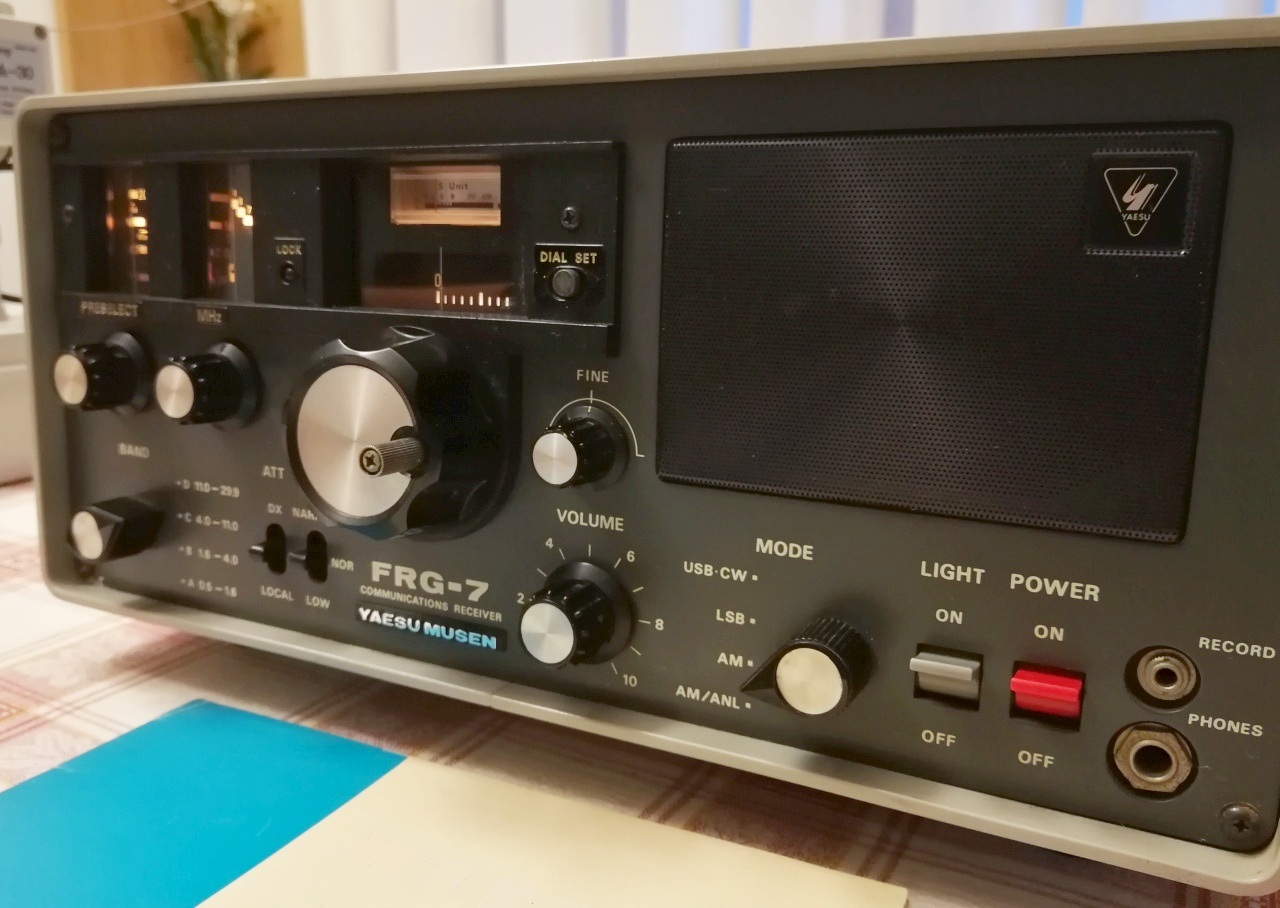
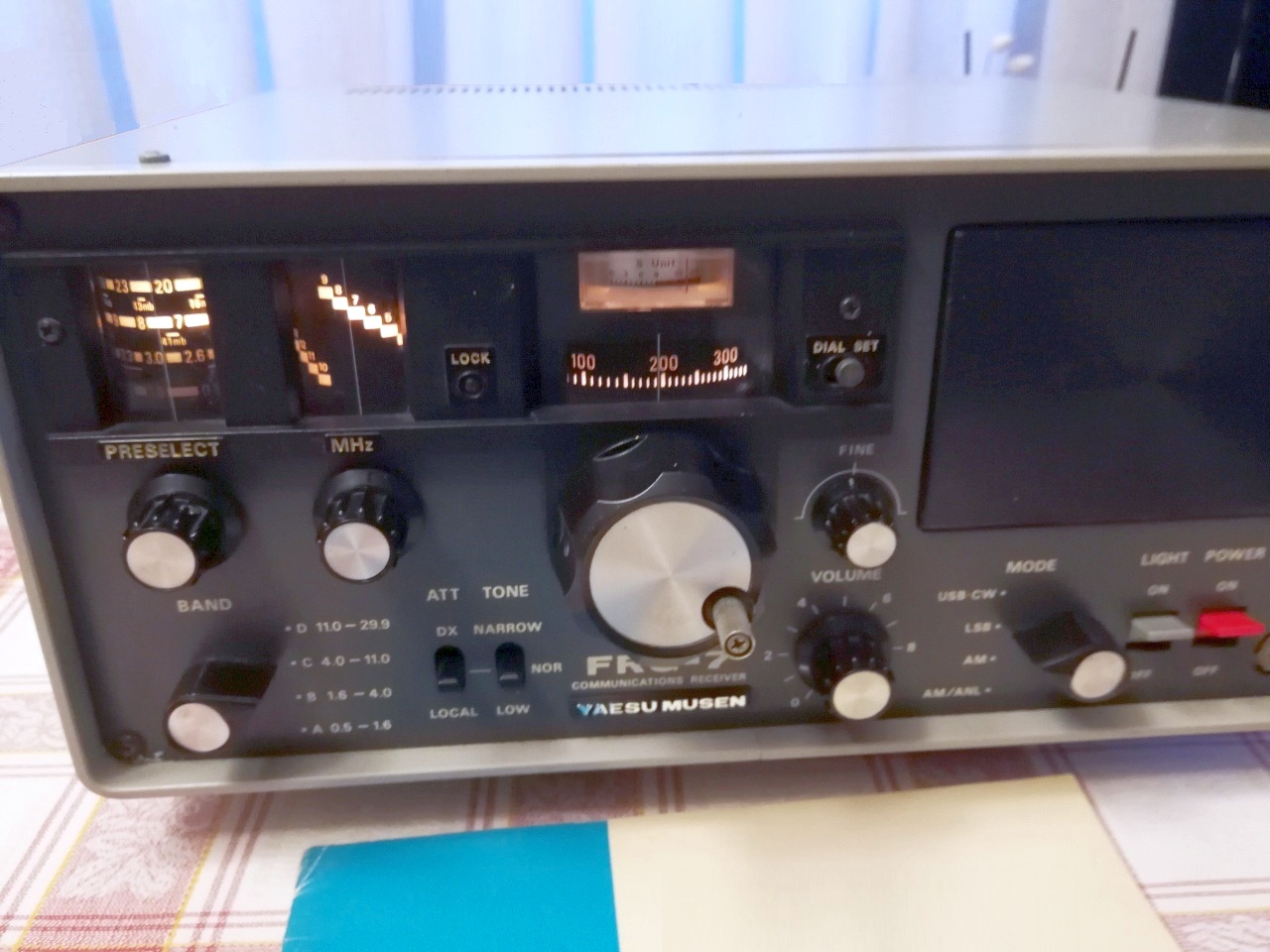
Yaesu FRG-7 - Yaesu-Musen
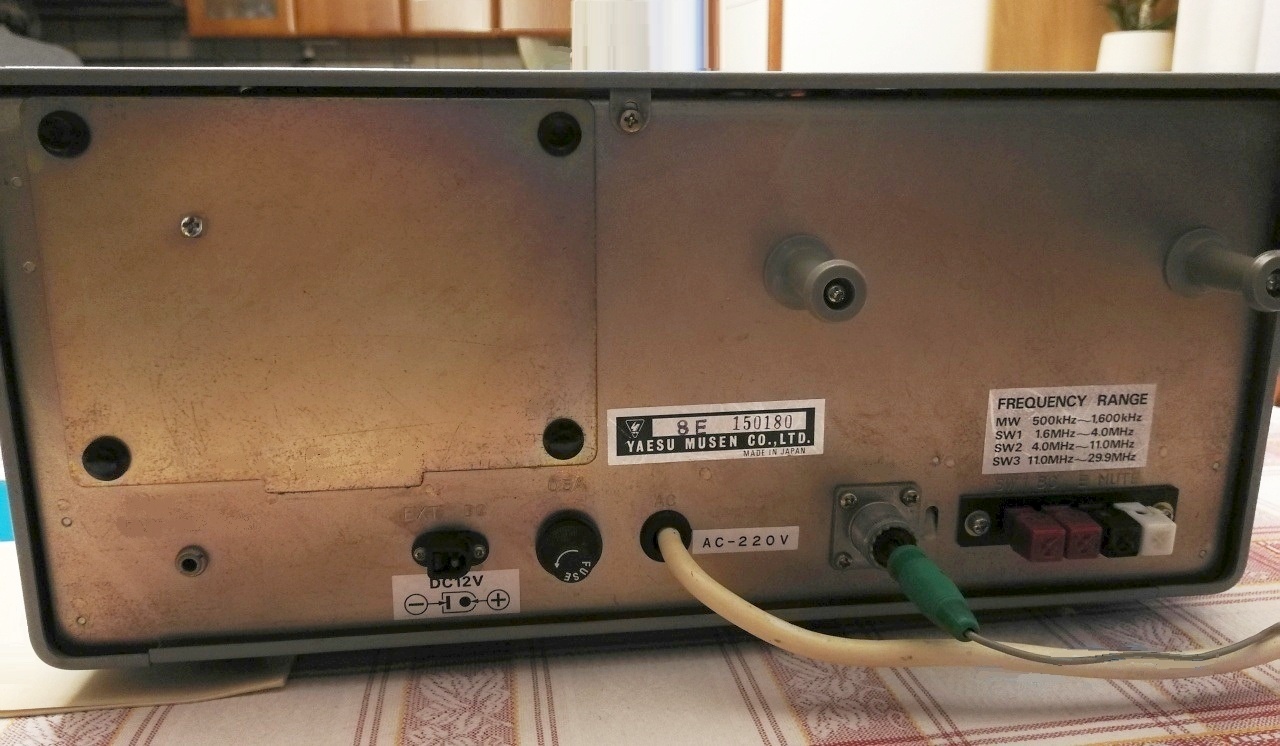
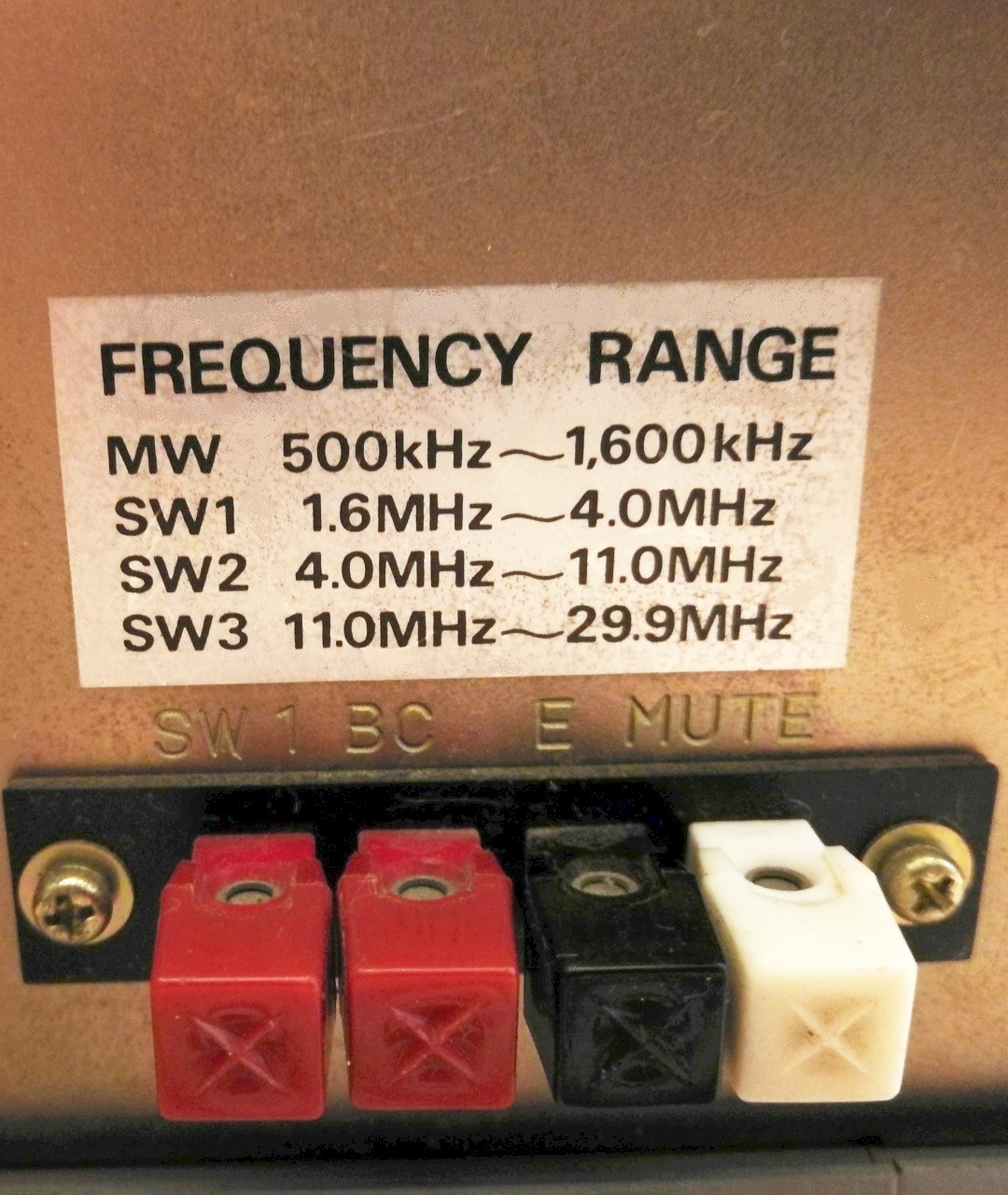
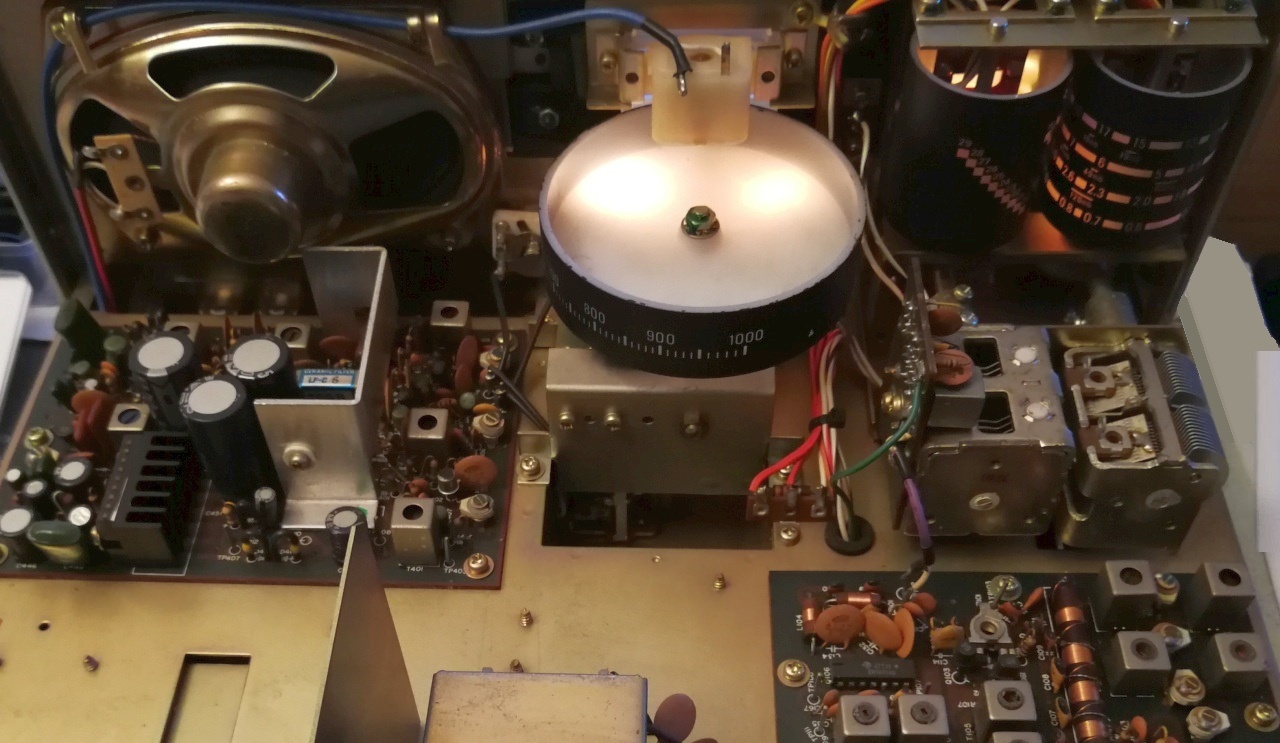
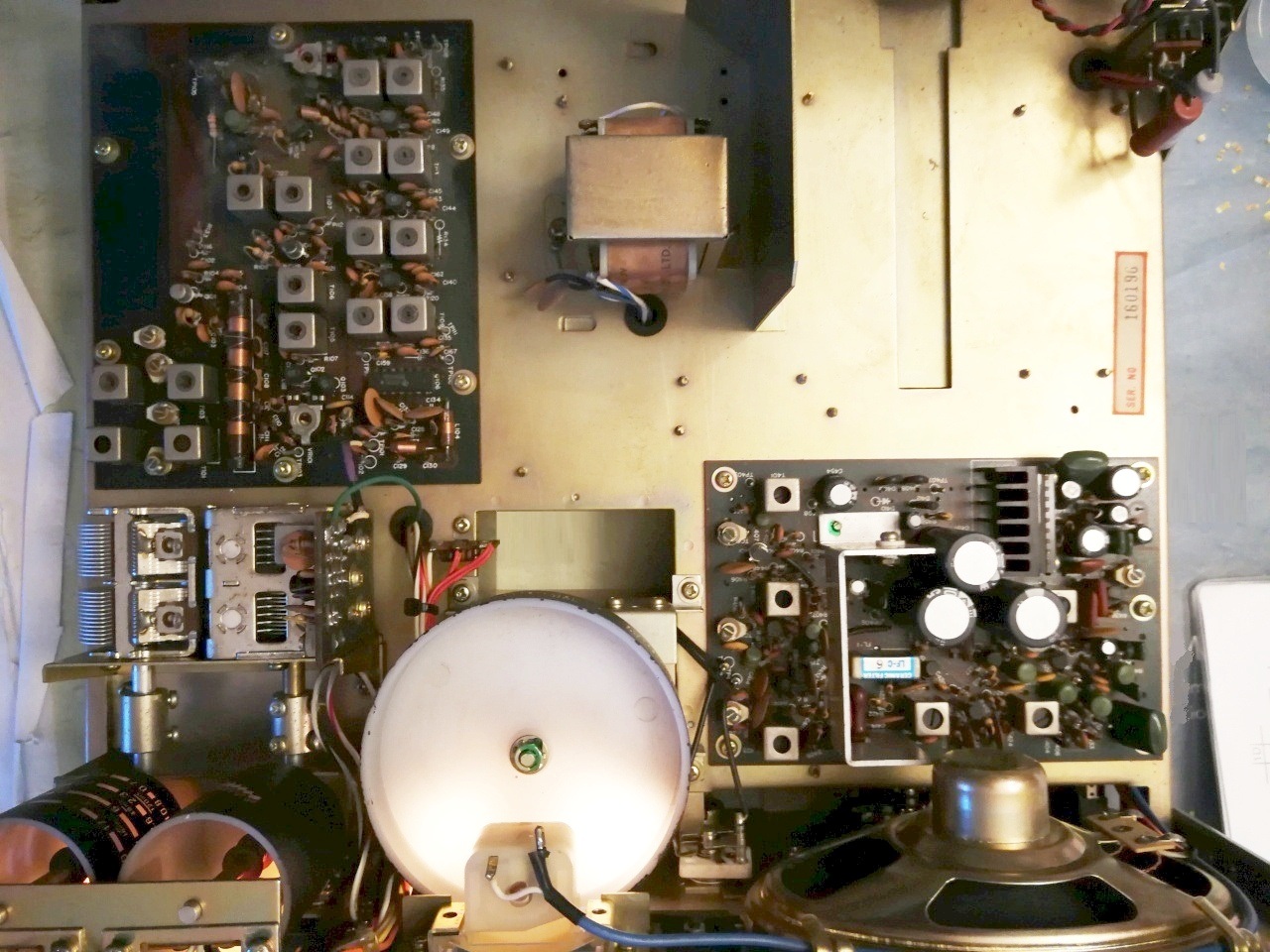
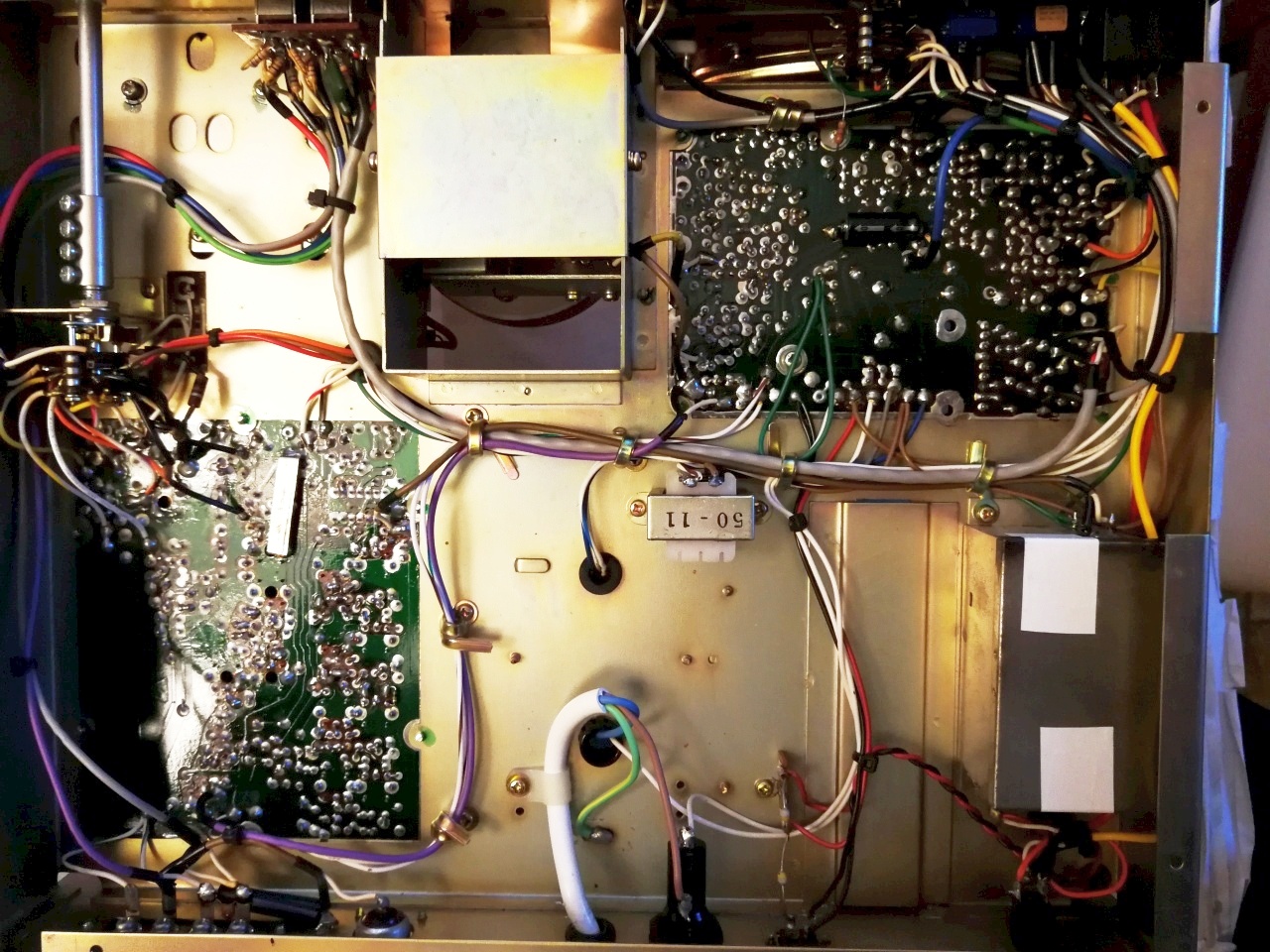
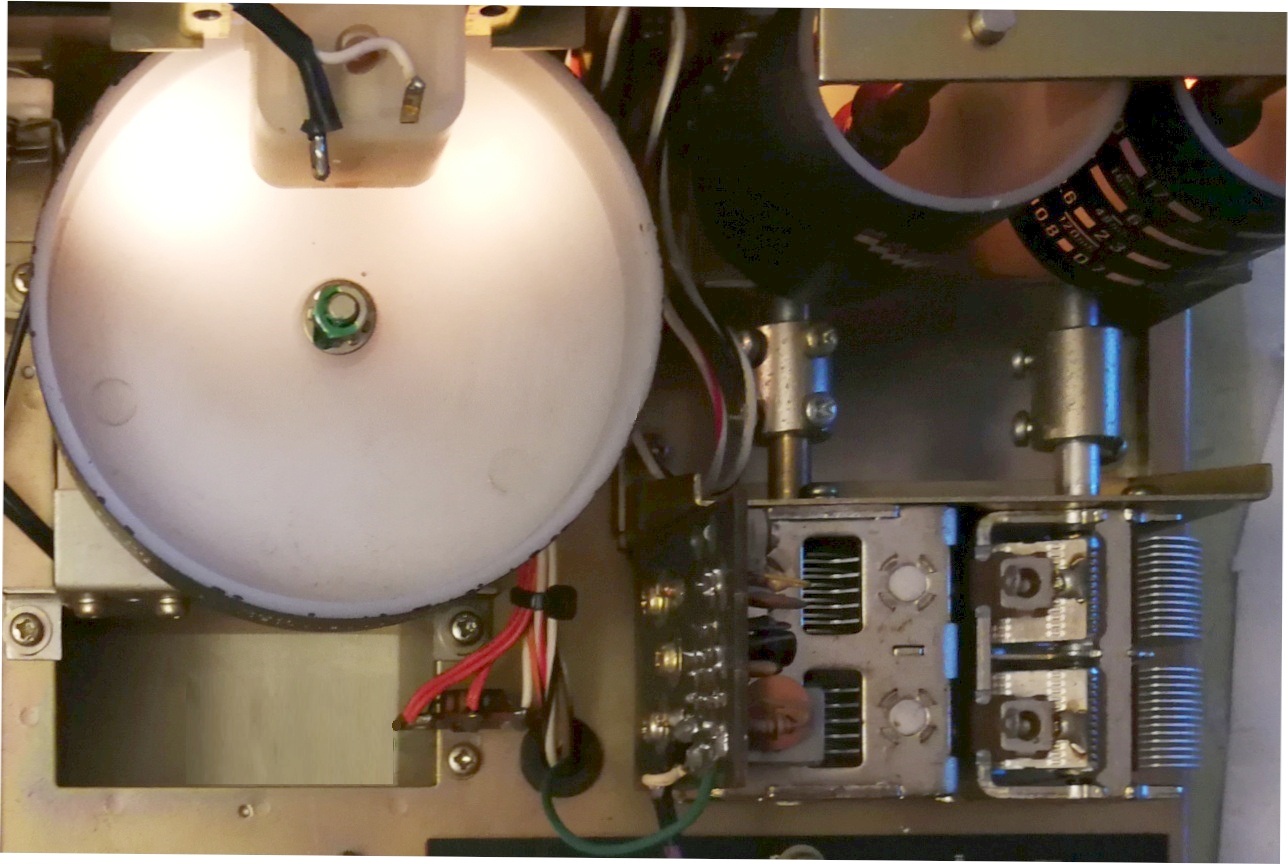
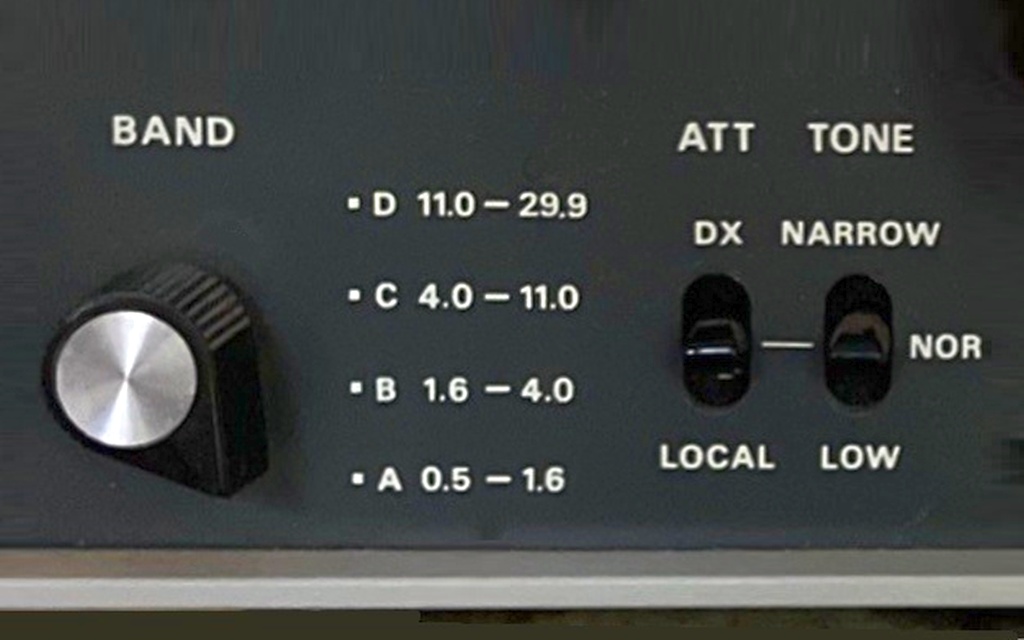
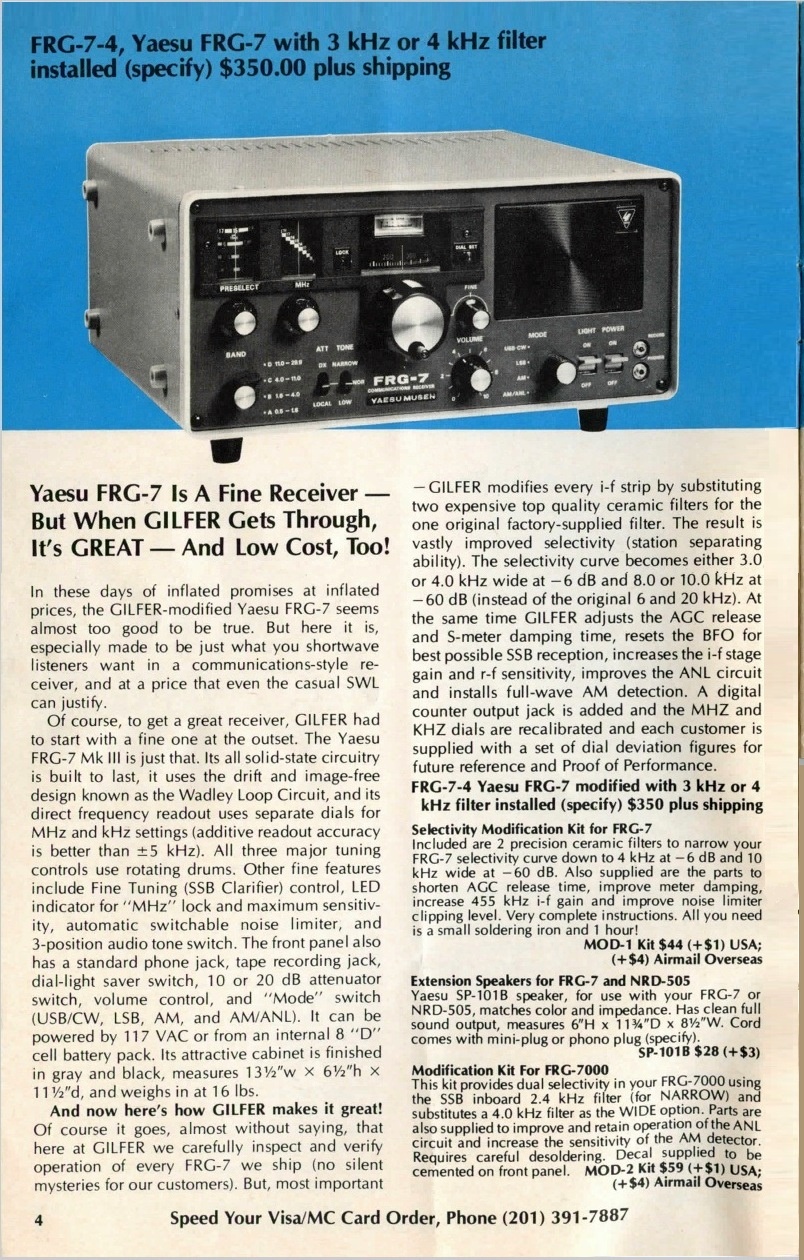
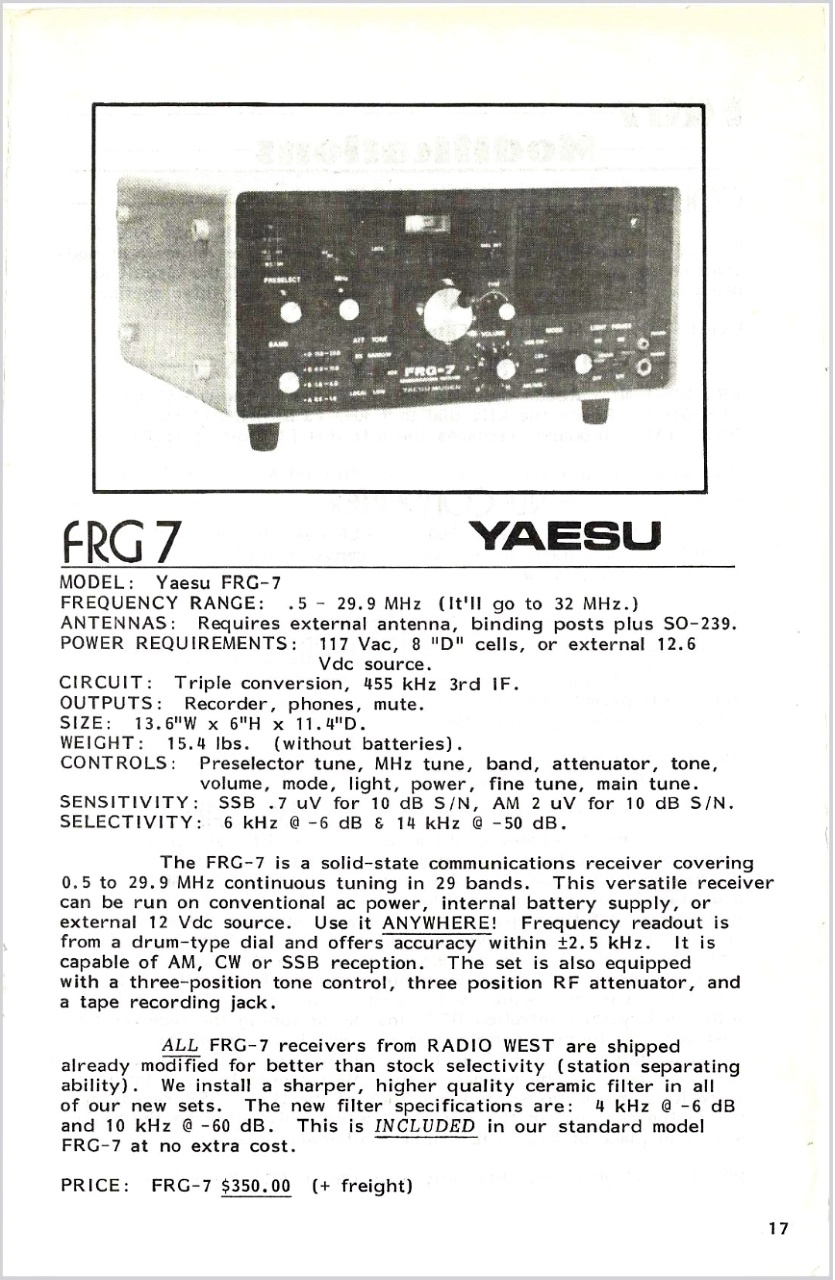
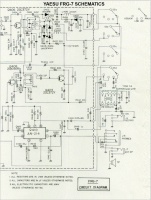
Co. Ltd. - Tokyo, Giappone -1976. Lo Yaesu FRG-7 è un ricevitore per comunicazioni sintetizzato a stato solido, progettato per coprire l'intero spettro delle Onde Medie e Corte, da 500 kHz a 29,9 MHz Il ricevitore è una supereterodina a tripla conversione che utilizza l'oscillatore sintetizzato "Wadley Loop System" (vedi pagina Barlow Wadley XCR30) che assicura una sintonia su un largo spettro di frequenze senza commutazione di bobine o quarzi, ha un'elevata stabilità e il passo minimo della sintonia meccanica è di 10 kHz. La selettività del ricevitore è di +/-3 kHz con segnale di -6 dB nelle modalità di ricezione SSB, AM e CW e con utilizzo di un filtro ceramico nel circuito IF a 455 kHz. Il circuito utilizza 9 transistor al silicio, 3 Fet, 2 circuiti integrati e 13 diodi. La sensibilità è superiore a 0,7 microvolt in SSB/CW e superiore a 2 microvolt in modalità AM. Per individuare con precisione i deboli segnali in USB, LSB e CW è previsto un comando di sintonia Fine. L'uscita audio è di 2 watt e l'impedenza dell'altoparlante è di 4 ohm. L'FRG-7 può essere alimentato tramite rete elettrica da 100 a 230 Vac 50/60 Hz, oppure tramite batteria interna o a 12 Vdc con alimentatore esterno. In caso di interruzione dell'alimentazione CA, la radio passa automaticamente alla batteria interna che utilizza otto pile a secco tipo UM-1 (1,5 volt) per un totale di 12 volt. Le dimensioni dell'FRG-7 sono: 34 x 15 x 28 cm e il peso è di 7 kg senza batterie. By clicking on the images below you can download the user manual, the wiring diagrams and two advertisements from the last century. © IK3HIA, 2004 - 2025. |
|||
|
Click sulle immagini per ingrandire
Click on the images to enlarge
|
|||
 |
 |
 |
 |
 |
 |
 |
 |
|
Yaesu FRG-7 - Yaesu-Musen Co. Ltd. - Tokyo,
Japan -1976. The Yaesu FRG-7 is a solid-state synthesized communications receiver designed to cover the entire medium and short wave spectrum, from 500 kHz to 29.9 MHz. The receiver is a triple-conversion superheterodyne using the "Wadley Loop System" synthesized oscillator (see Barlow Wadley XCR30 page). This ensures tuning over a wide frequency spectrum without switching coils or crystals. It has high stability, and the minimum mechanical tuning step is 10 kHz. The receiver has a selectivity of +/-3 kHz with a -6 dB signal in SSB, AM, and CW reception modes, and uses a ceramic filter in the IF circuit at 455 kHz. The circuit uses 9 silicon transistors, 3 FETs, 2 integrated circuits and 13 diodes. Sensitivity is better than 0.7 microvolts in SSB/CW and better than 2 microvolts in AM mode. A fine tuning control is provided for precise detection of weak signals in USB, LSB, and CW. Audio output is 2 watts, and the speaker impedance is 4 ohms. The FRG-7 can be powered by AC power (100 to 230 VAC, 50/60 Hz), an internal battery, or a 12 VDC external power supply. In the event of an AC power failure, the radio automatically switches to the internal battery, which uses eight UM-1 (1.5 volt) dry cells for a total of 12 volts. The FRG-7's dimensions are 13.4 x 6 x 11.2 inches, and it weighs 15 lb 6.7 oz without batteries. Cliccando sulle figure qua sotto è possibile scaricare il manuale d'uso, gli schemi elettrici e due pubblicità del secolo scorso. © IK3HIA, 2004 - 2025. |
|||
 |
 |
 |
 |
|
Return to top of page
Torna a inizio pagina |
|||
 |
Return to: ik3hia home page |
|
Return to Old Ham radio page |